
Munguzá
Brazilian sweet porridge of whole corn, milk and sugar served at winter festivals
Munguzá, also called canjica or mugunzá, is a sweet Brazilian porridge made from whole white or yellow corn kernels cooked with milk, sugar and cinnamon. It is especially popular during June's winter festivals (Festa Junina) and may include coconut, peanuts, or condensed milk, with regional variations across Brazil.
- Made from whole white or yellow corn kernels cooked with milk and sugar
- Served during Brazil's June winter festival, Festa Junina
- Northern versions include coconut, cloves and roasted peanuts
- Names and traditions come from African languages
- Known as canjica in the south and mugunzá in the north
What is Munguzá?
Munguzá is a sweet, creamy porridge from Brazil, made by simmering whole white or yellow corn kernels with milk, sugar and cinnamon. The corn is de-germed, meaning the germ is removed, which gives a tender texture. In some regions, coconut, coconut milk, cloves and roasted peanuts are added, giving the dish extra richness and aroma. The result is a thick, spoonable dessert or snack, with the soft chew of corn and the warmth of spices. It is most often enjoyed during the winter festival season.
Where does Munguzá come from?
Munguzá has roots in Brazilian cooking, with its name and some of its traditions coming from African languages such as Kikongo and Kimbundu, where similar grain porridges are made. The dish is especially linked to Brazil's Festa Junina, a winter festival held in June. The names canjica, mugunzá and munguzá are used in different regions, reflecting both African influence and local language. In northern Brazil, mugunzá refers to this sweet corn porridge, while canjica can mean a different dish made from unripe corn.
How is Munguzá made?
To make munguzá, whole de-germed corn kernels are cooked slowly with milk, sugar and cinnamon until the grains soften and the mixture thickens. In some regional versions, coconut milk, grated coconut, cloves and roasted peanuts are mixed in, especially in the north and northeast of Brazil. Sometimes sweetened condensed milk is added for extra sweetness and creaminess. The porridge is stirred as it cooks to prevent sticking and to blend the flavors.
How and when is Munguzá eaten?
Munguzá is most commonly served during Brazil's Festa Junina, a festival that marks the winter season in June. It is eaten as a snack or dessert, often at gatherings, parties or outdoor celebrations. The dish is usually spooned into bowls and may be sprinkled with extra cinnamon before serving. It is enjoyed warm or at room temperature, and sometimes shared with friends and family as part of the festival's food traditions.
Kinds of Munguzá
The main differences in munguzá come from the region. In central-southern Brazil, the dish is called canjica, while in the north it is mugunzá. Northern versions often include coconut, coconut milk, cloves and roasted peanuts, making them richer and more aromatic. Some recipes add sweetened condensed milk or extra peanuts. In other Latin American countries, similar corn-based porridges exist, such as mazamorra in Colombia.
What Munguzá means
Munguzá is closely tied to Brazil's Festa Junina, a festival that celebrates rural life and winter. The dish is a symbol of the season and is one of several traditional sweets served at festival gatherings. Its African roots are reflected in its name and in the custom of making grain porridges. Munguzá brings people together during celebrations and is a marker of regional identity within Brazil.
When Munguzá is on the table
Questions people ask about Munguzá
What is munguzá made of?
Munguzá is made from whole white or yellow corn kernels, milk, sugar and cinnamon. In some regions, coconut, coconut milk, cloves, roasted peanuts and sweetened condensed milk are also added.
Where does munguzá come from?
Munguzá comes from Brazil and is especially popular during the Festa Junina winter festival. Its name and tradition have roots in African languages and customs.
When is munguzá usually eaten?
Munguzá is most often eaten during the June winter festival in Brazil, called Festa Junina. It is served as a snack or dessert at gatherings and celebrations.
Are there different versions of munguzá?
Yes, in northern Brazil, munguzá often includes coconut, coconut milk, cloves and roasted peanuts. In central-southern Brazil, it is called canjica and may have different additions.
Is munguzá vegetarian?
Yes, munguzá is vegetarian as it is made with corn, milk and sugar. Some versions use condensed milk or coconut milk, but do not include meat or fish.
Good reading and sources
- Canjica (dish) on WikipediaEncyclopedia
- More photos on Wikimedia CommonsPhotos
- Wikidata recordOpen data
The facts on this page come from the Wikipedia article "Canjica (dish)", written by its contributors and used under the CC BY-SA 4.0 licence, and from its Wikidata record (CC0). Thali rewrote the text in its own words, with AI assistance, and compares every page with the article to make sure no passage is copied. It may be reused under the same CC BY-SA 4.0 licence with a link back.
It may contain mistakes, and it is not dietary or allergy advice: recipes differ from cook to cook. If something is wrong, tell us. Last refreshed 2026-10-03.
More from Brazil
All the food of Brazil PolentaVegan
🇮🇹 Italy and 5 moreBoiled cornmeal porridge from northern Italy, served soft or set and sliced
Main dish
PolentaVegan
🇮🇹 Italy and 5 moreBoiled cornmeal porridge from northern Italy, served soft or set and sliced
Main dish
 Churrochurros
🇪🇸 Spain and 5 moreRidged, deep-fried dough sticks often eaten hot with chocolate or coffee
Sweet or dessert, Breakfast, Snacks
Churrochurros
🇪🇸 Spain and 5 moreRidged, deep-fried dough sticks often eaten hot with chocolate or coffee
Sweet or dessert, Breakfast, Snacks
 ÉclairVegetarian
🇫🇷 France and 2 moreChoux pastry filled with cream and topped with icing
Pie or savoury pastry, Snacks, Tea time
ÉclairVegetarian
🇫🇷 France and 2 moreChoux pastry filled with cream and topped with icing
Pie or savoury pastry, Snacks, Tea time
Its cousins elsewhere
All sweets and desserts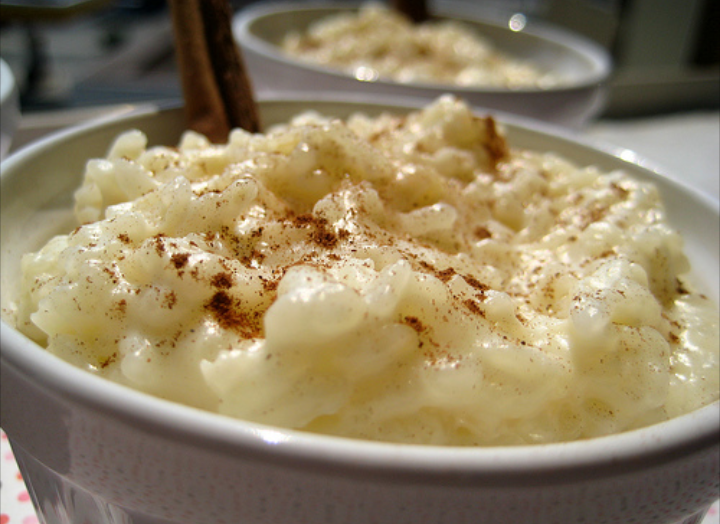 Rice pudding
🇮🇳 India and 4 moreSweetened rice cooked in milk, found in many forms worldwide
Sweet or dessert, Breakfast, Lunch
Rice pudding
🇮🇳 India and 4 moreSweetened rice cooked in milk, found in many forms worldwide
Sweet or dessert, Breakfast, Lunch
 Pumpkin pieVegetarian
🇺🇸 United States and 1 moreSweet pie with spiced pumpkin custard in a pastry shell, served for autumn holidays
Sweet or dessert
Sheer khurmaVegetarianشير خرما
🇮🇳 India and 2 moreA sweet vermicelli pudding with milk, dates and nuts for Eid celebrations
Sweet or dessert, Breakfast, Snacks
Pumpkin pieVegetarian
🇺🇸 United States and 1 moreSweet pie with spiced pumpkin custard in a pastry shell, served for autumn holidays
Sweet or dessert
Sheer khurmaVegetarianشير خرما
🇮🇳 India and 2 moreA sweet vermicelli pudding with milk, dates and nuts for Eid celebrations
Sweet or dessert, Breakfast, Snacks
 Jolpan
🇮🇳 IndiaAssamese breakfast snacks of rice, pitha, and sweets, often served with tea or curd
Sweet or dessert, Breakfast, Snacks
Jolpan
🇮🇳 IndiaAssamese breakfast snacks of rice, pitha, and sweets, often served with tea or curd
Sweet or dessert, Breakfast, Snacks