
Paella
Rice cooked with meat, seafood or vegetables in a wide shallow pan from Valencia
Paella is a rice dish from Spain’s Valencian Community, recognized as a symbol of the region and one of Spain’s most famous foods. Traditionally made with short-grain rice, olive oil, saffron, and a mix of meats like chicken and rabbit or seafood, it is cooked in a wide, shallow pan over an open fire. Paella is enjoyed at gatherings and is especially popular for lunch.
- Paella is named after the pan it is cooked in
- Traditional paella valenciana uses chicken, rabbit, and green beans
- A golden crust of rice, called socarrat, is prized at the bottom of the pan
- Seafood and mixed versions are popular across Spain and worldwide
- Paella is a symbol of the Valencian Community
What is Paella?
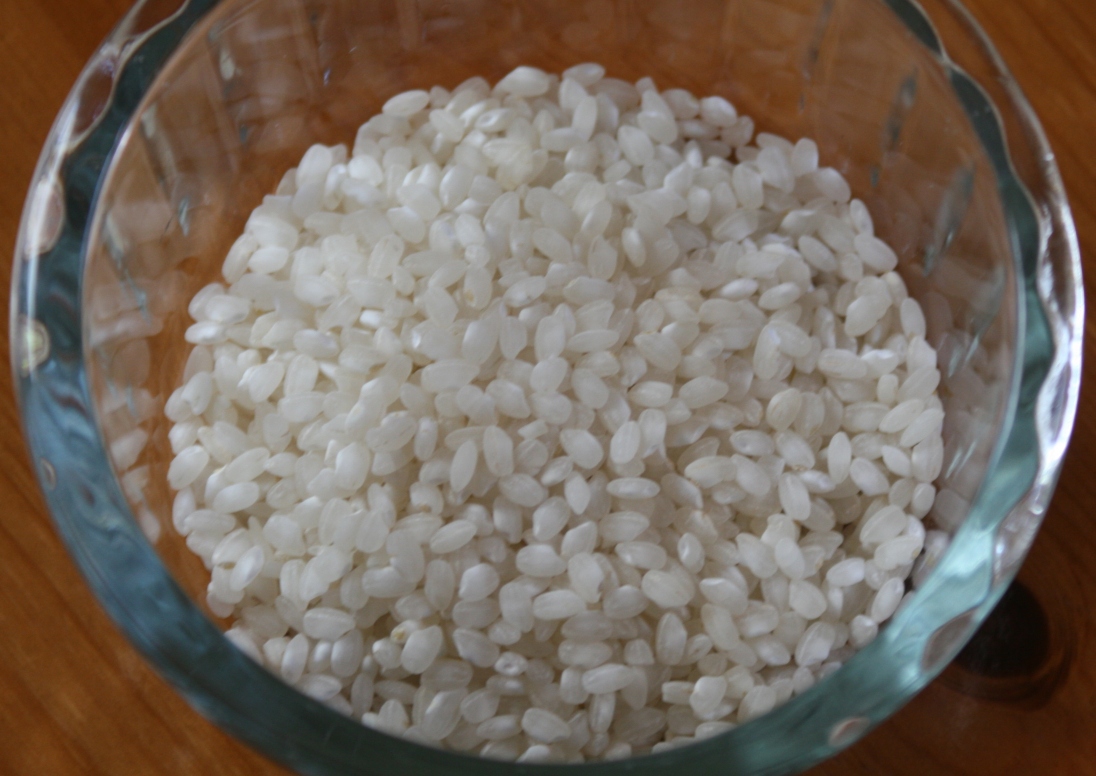
Paella is a Spanish rice dish cooked in a wide, shallow metal pan called a paella. The classic version from Valencia uses short-grain rice, olive oil, saffron for color and aroma, and a mix of meats such as chicken and rabbit, with green beans and sometimes snails or duck. Seafood versions replace meat with shellfish, and mixed versions combine both. The rice absorbs flavors from the other ingredients and the pan, sometimes forming a prized golden crust called socarrat on the bottom.
Where does Paella come from?
Paella comes from the rural area around the Albufera lagoon near Valencia, Spain. Its modern form dates to the mid-19th century, though rice was grown in the region from the 10th century. Early versions were cooked by farmers using whatever was at hand, such as rice, snails, and local vegetables. The name comes from the Valencian word for frying pan, which itself traces back to Latin. Over time, paella became a symbol of Valencian identity and spread throughout Spain and beyond.
How is Paella made?
Traditionally, paella is cooked outdoors over an open fire using orange or pine branches, which add a subtle aroma. The rice is combined with olive oil, saffron, and a selection of meats or seafood, along with vegetables like green beans and tomatoes. Everything is cooked together in the pan, uncovered, until the rice is tender and the liquid absorbed. At the end, the dish is often left to rest, and a layer of toasted rice may form on the bottom.



How and when is Paella eaten?
Paella is usually served for lunch, especially at gatherings or festivals. In Valencia, it is common to eat directly from the pan, sharing with others. It is a centerpiece for family or community meals, and in Spain, restaurants often serve it on Thursdays. Paella can be enjoyed on ordinary days or for special occasions, and is a popular choice for large outdoor events.
Kinds of Paella
The original paella valenciana uses chicken, rabbit, and sometimes duck or snails, with green beans and beans. Seafood paella replaces meat with shellfish and omits beans, while mixed paella combines both meat and seafood. Outside Valencia, many versions add ingredients like chorizo, though locals may not consider these authentic. In the Philippines, arroz a la valenciana uses glutinous rice and may include chicken or local sausage.
What Paella means
Paella is a symbol of Valencian culture and Spanish cuisine. It is often made for festivals, large gatherings, and even record-breaking events, with enormous pans used to serve thousands. The dish has inspired local pride and debate over what counts as authentic. Paella has also become internationally recognized, with adaptations in many countries and a dedicated emoji reflecting its cultural status.
Questions people ask about Paella
What is paella made of?
Paella is made with short-grain rice, olive oil, saffron, and a mix of meats like chicken and rabbit or seafood, along with vegetables such as green beans and tomatoes. The ingredients vary by region and version.
Where does paella come from?
Paella comes from the Valencian Community in eastern Spain, especially the area around the Albufera lagoon near Valencia. It is a key part of Valencian and Spanish cuisine.
What is the traditional way to cook paella?
Traditionally, paella is cooked outdoors over an open fire in a wide, shallow pan. The rice and other ingredients are simmered together until the rice is tender and a crust forms on the bottom.
Are there different types of paella?
Yes, the main types are paella valenciana (with meat and beans), paella de marisco (with seafood), and paella mixta (with both meat and seafood). There are also regional and international adaptations.
Is paella always made with seafood?
No, the original paella from Valencia is made with meats like chicken and rabbit. Seafood versions are common, but not traditional in Valencia.
Good reading and sources
- Encyclopaedia BritannicaArticle
- Jamie Oliver's paella recipe is panned onlineBBC, Recipe
- Philippine PaellaSaveur, Recipe
- How to cook the perfect paellaThe Guardian, Article
- FOOD : A Spanish Disposition : Forget the Myth That Seafood Is a Must Ingredient in an Authentic PaellaLos Angeles Times, Article
The facts on this page come from the Wikipedia article "Paella", written by its contributors and used under the CC BY-SA 4.0 licence, and from its Wikidata record (CC0). Thali rewrote the text in its own words, with AI assistance, and compares every page with the article to make sure no passage is copied. It may be reused under the same CC BY-SA 4.0 licence with a link back.
It may contain mistakes, and it is not dietary or allergy advice: recipes differ from cook to cook. If something is wrong, tell us. Last refreshed 2026-10-03.
More from Spain
All the food of Spain TocinoMeat
🇵🇭 Philippines and 5 moreCured or fried pork enjoyed in Spain, the Philippines, and the Caribbean
Main dish, Breakfast, Lunch
TocinoMeat
🇵🇭 Philippines and 5 moreCured or fried pork enjoyed in Spain, the Philippines, and the Caribbean
Main dish, Breakfast, Lunch
 Oxtail stewMeat
🇮🇹 Italy and 4 moreStew made with oxtail, found in many world cuisines
Stew or curry, Lunch, Dinner
Oxtail stewMeat
🇮🇹 Italy and 4 moreStew made with oxtail, found in many world cuisines
Stew or curry, Lunch, Dinner
 MolleteVegetarian
🇲🇽 Mexico and 6 moreOpen-faced Mexican sandwich with refried beans and melted cheese
Bread, Breakfast, Snacks
MolleteVegetarian
🇲🇽 Mexico and 6 moreOpen-faced Mexican sandwich with refried beans and melted cheese
Bread, Breakfast, Snacks
 MeatballMeat
🇮🇹 Italy and 5 moreGround meat shaped into balls and cooked by frying, baking, or braising in sauce
Main dish, Lunch, Dinner
MeatballMeat
🇮🇹 Italy and 5 moreGround meat shaped into balls and cooked by frying, baking, or braising in sauce
Main dish, Lunch, Dinner
Its cousins elsewhere
All main dishes Kabab Bargکباب برگ
🇮🇷 IranPersian skewered meat marinated and grilled over open fire
Main dish, Lunch, Dinner
Zereshk poloMeatزرشکپلو
🇮🇷 Iran and 1 morePersian rice with tart barberries, often served with saffron chicken
Main dish, Lunch, Dinner
Kabab Bargکباب برگ
🇮🇷 IranPersian skewered meat marinated and grilled over open fire
Main dish, Lunch, Dinner
Zereshk poloMeatزرشکپلو
🇮🇷 Iran and 1 morePersian rice with tart barberries, often served with saffron chicken
Main dish, Lunch, Dinner
 SaleegMeatسليق
🇸🇦 Saudi ArabiaRice cooked with broth and milk, topped with roasted meat from western Saudi Arabia
Main dish, Lunch, Dinner
SaleegMeatسليق
🇸🇦 Saudi ArabiaRice cooked with broth and milk, topped with roasted meat from western Saudi Arabia
Main dish, Lunch, Dinner
 Khoresh bademjanخورش بادمجان
🇮🇷 IranPersian stew of eggplant, tomato, lamb, and tart fruit, served with rice
Stew or curry, Lunch, Dinner
Khoresh bademjanخورش بادمجان
🇮🇷 IranPersian stew of eggplant, tomato, lamb, and tart fruit, served with rice
Stew or curry, Lunch, Dinner