
Basbousa
In its own language: بسبوسة
A syrup-drenched semolina cake baked in sheets and sliced into diamonds
Basbousa is a traditional syrup-drenched cake from Egypt and the wider Middle East, baked from coarse semolina or farina batter in broad sheet pans. After soaking in sweet syrup, it is served warm or cold as an everyday treat or sweet ending to a meal.
- A baked semolina sheet cake soaked in sweet syrup and cut into diamonds or squares
- Known as hareesa in the Levant, revani in Turkey and the Balkans, and nammoura in Lebanon
- May trace back to ninth-century Abbasid sweets cooked in syrup and butter
- Flavoured across regions with orange flower water, rose water, nuts, dates, or clotted cream
What is Basbousa?
Basbousa is a moist semolina cake soaked thoroughly in sugar syrup. The crumb is grainy and crumbly rather than light, given the coarse texture of durum wheat semolina or farina. Baked across a wide sheet pan, the surface turns golden brown while the interior absorbs syrup until dense and glossy. Bakers often decorate the top with whole or chopped nuts, such as walnuts or pistachios. In taste, it is deeply sweet and rich, frequently perfumed with citrus juice, rose water, or orange blossom water. Inside, the cake remains soft and spoonable or easily held in hand, offering a contrast between crisp baked edges and a syrup-laden crumb.
Where does Basbousa come from?
Scholars trace the dessert back through centuries of Mediterranean and Middle Eastern cooking. The Oxford Companion to Food notes that it may descend from ma'mounia, a ninth-century Abbasid rice dish cooked in fat and syrup that cooks later adapted to semolina. Food historian Gil Marks suggests semolina syrup cakes grew from older sweets like suji halva. A thirteenth-century cookbook from Moorish Al-Andalus recorded a related preparation linked to Constantinople. By the Ottoman era, revani was whisked frothy with eggs and flour in royal kitchens, while street vendors made simpler versions from semolina. An 1844 Ottoman manual described baking semolina, butter, eggs, and sugar before drenching the pastry in syrup.
How is Basbousa made?
The base of basbousa begins with semolina or farina mixed with fat, such as melted butter or clarified butter. Depending on the local style, cooks may stir in sugar, eggs, or yoghurt to bind the dough into a thick batter. Some modern cooks incorporate baking powder for lift. The mixture is spread evenly into a large baking sheet pan and baked in an oven until the top is evenly browned. Once out of the oven, the hot cake is flooded with fragrant sugar syrup, which the warm grains rapidly soak up. After resting to allow the liquid to penetrate the crumb, the dessert is sliced into lozenges, diamonds, or squares.


How and when is Basbousa eaten?
Basbousa can be enjoyed warm or cold. Slices are usually portioned into neat squares or diamonds straight from the baking pan. In parts of the Middle East, vendors have long sold these semolina slices on city streets, while homes and bakeries present them on platters. Because of its intense sugar syrup, the sweet is often paired with plain water, black coffee, or unsweetened tea to balance the richness. Thick cream, such as clotted milk cream, or chopped nuts are often served on top or layered within.
Kinds of Basbousa
Regional adaptations exist across several continents. In Egypt and the Levant, cooks prepare basbousa bil ashta with a clotted cream filling, while Palestinians bake versions flavoured with aniseed, fenugreek, or nigella seed paste. Kuwaiti pastūsha includes ground pistachios and orange flower water. In Libya, bakers sandwich date paste between semolina layers. Algerian kalb el louz incorporates almond meal. Turkish and Greek revani or şambali frequently incorporate citrus or yoghurt. In Syria, hareesa from Al-Nabek is finished with clarified butter and pistachios. Sephardic Jews prepare tishpishti, named after rapid baking.
What Basbousa means
The sweet carries dozens of names that reflect its broad geography and lore. In the Levant, people often call it hareesa, while Turks, Greeks, and Albanians know it as revani. Syrian historian Khayr al-Din al-Asadi linked basbousa to an Arabic verb meaning to mix, and namoura to a word for tiger because of its markings. Popular folk stories instead claim basbousa means "just a kiss." Another Ottoman legend claims revani was named to celebrate Sultan Murad IV taking Yerevan, while linguists derive it from the Persian word for butter or oil.
Questions people ask about Basbousa
What is basbousa made of?
Basbousa is made from coarse semolina or farina batter combined with butter, sugar, and sometimes eggs or yoghurt. After baking in a sheet pan, it is soaked with sugar syrup, which is often scented with rose water, orange flower water, or citrus juice.
Where does basbousa come from?
The dessert originated in the Middle East, with modern culinary records identifying Egypt as its primary home. Related semolina syrup cakes have been documented across Ottoman and Mediterranean records since medieval times.
How is basbousa cut and served?
Bakers typically cut the sheet cake into diamond or square portions. It can be served warm or cold, either plain or garnished with ingredients like almonds, walnuts, pistachios, or clotted cream.
Why does basbousa have so many different names?
As the cake spread across the Middle East, North Africa, and the Balkans, local cultures gave it distinct titles. It is known as revani in Greece and Turkey, hareesa in the Levant, and nammoura in other Arab regions.
Good reading and sources
The facts on this page come from the Wikipedia article "Basbousa", written by its contributors and used under the CC BY-SA 4.0 licence, and from its Wikidata record (CC0). EveryThali rewrote the text in its own words, with AI assistance, and compares every page with the article to make sure no passage is copied. It may be reused under the same CC BY-SA 4.0 licence with a link back.
It may contain mistakes, and it is not dietary or allergy advice: recipes differ from cook to cook. If something is wrong, tell us. Last refreshed 2026-10-04.
More from Egypt
All the food of Egypt Candy
🇺🇸 United States and 5 moreSmall sweet treats made mainly from sugar or sweeteners
Sweet or dessert, Snacks
Easter egg
🇷🇺 Russia and 5 moreEggs dyed or decorated for Easter, symbolizing resurrection and new life
Sweet or dessert, Breakfast, Snacks
Candy
🇺🇸 United States and 5 moreSmall sweet treats made mainly from sugar or sweeteners
Sweet or dessert, Snacks
Easter egg
🇷🇺 Russia and 5 moreEggs dyed or decorated for Easter, symbolizing resurrection and new life
Sweet or dessert, Breakfast, Snacks
 JalebiVegetarian
🇮🇳 India and 6 moreDeep-fried spirals of batter soaked in syrup, enjoyed across Asia and Africa
Pie or savoury pastry, Breakfast, Snacks
JalebiVegetarian
🇮🇳 India and 6 moreDeep-fried spirals of batter soaked in syrup, enjoyed across Asia and Africa
Pie or savoury pastry, Breakfast, Snacks
 Qamar al-DinVeganقمر الدين
🇸🇾 Syria and 3 moreThick apricot fruit leather and drink, especially served during Ramadan
Drink, Snacks
Qamar al-DinVeganقمر الدين
🇸🇾 Syria and 3 moreThick apricot fruit leather and drink, especially served during Ramadan
Drink, Snacks
Its cousins elsewhere
All sweets and desserts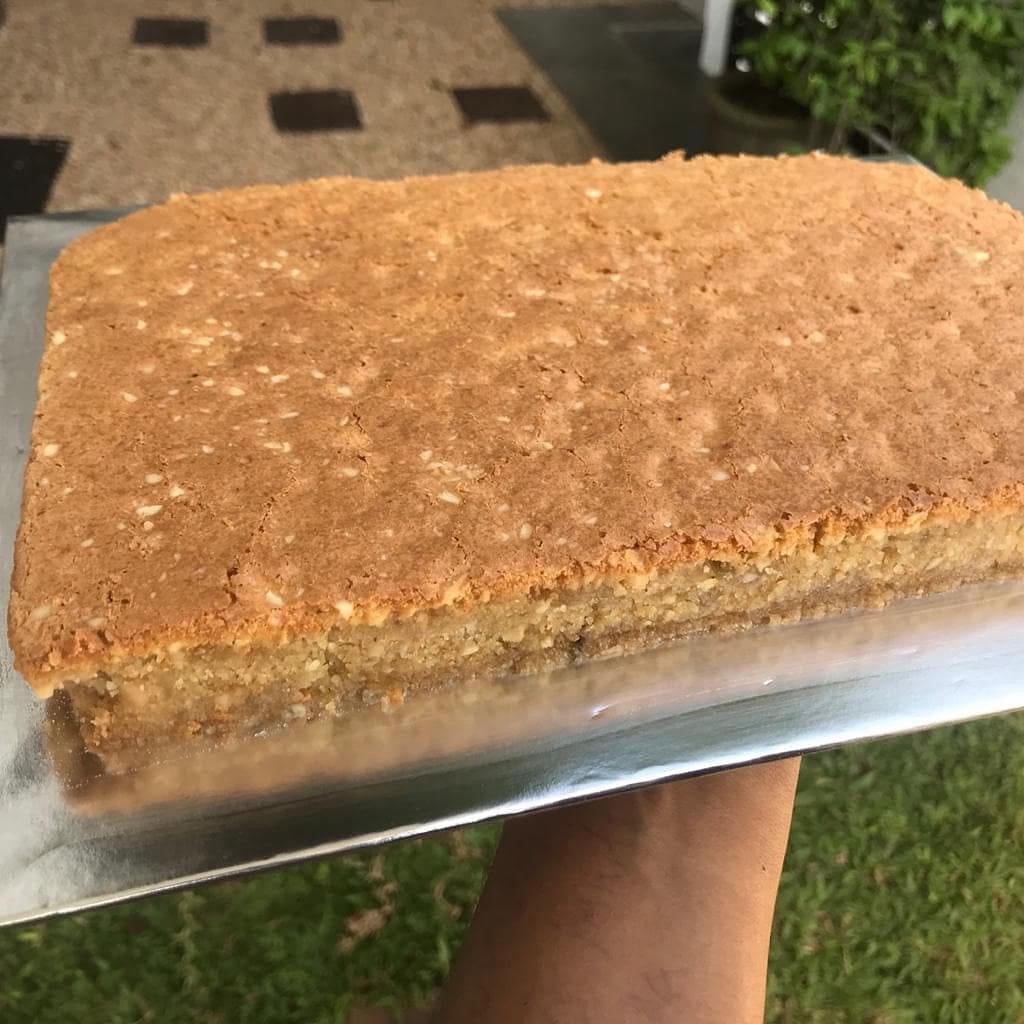 Love cakeVegetarian
🇱🇰 Sri LankaSri Lankan semolina cake with cashews, pumpkin preserve, and aromatic spices
Sweet or dessert
Love cakeVegetarian
🇱🇰 Sri LankaSri Lankan semolina cake with cashews, pumpkin preserve, and aromatic spices
Sweet or dessert
 GalaktobourekoVegetarianγαλακτομπούρεκο
🇬🇷 Greece and 4 moreCustard-filled filo pastry soaked in syrup
Pie or savoury pastry
Halvaحَلَاوَة
🇮🇷 Iran and 5 moreDense sweet made from seeds, grains, or vegetables, found across Asia, Africa, and Europe
Sweet or dessert, Snacks, Tea time
GalaktobourekoVegetarianγαλακτομπούρεκο
🇬🇷 Greece and 4 moreCustard-filled filo pastry soaked in syrup
Pie or savoury pastry
Halvaحَلَاوَة
🇮🇷 Iran and 5 moreDense sweet made from seeds, grains, or vegetables, found across Asia, Africa, and Europe
Sweet or dessert, Snacks, Tea time
 SachertorteVegetarian
🇦🇹 Austria and 1 moreAustrian chocolate sponge cake with apricot jam and a glossy chocolate glaze
Sweet or dessert, Tea time, Snacks
SachertorteVegetarian
🇦🇹 Austria and 1 moreAustrian chocolate sponge cake with apricot jam and a glossy chocolate glaze
Sweet or dessert, Tea time, Snacks