Love cake
Sri Lankan semolina cake with cashews, pumpkin preserve, and aromatic spices
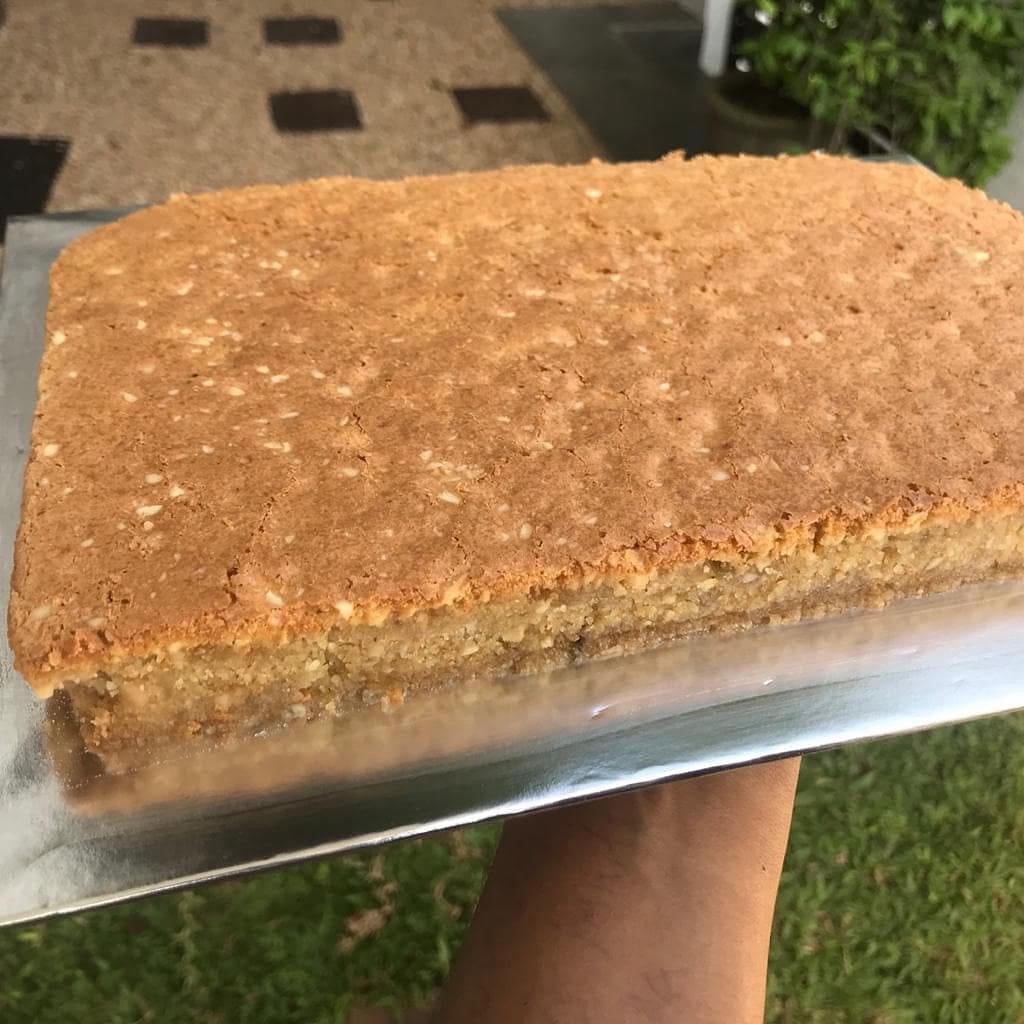
Love cake is a Sri Lankan celebration cake made with semolina, cashews, pumpkin preserve, butter, eggs, and sugar, scented with spices and rose water. Traditionally served at weddings, Christmas, and birthdays, it is known for its moist, chewy center and crisp crust.
- Semolina and cashews are the main ingredients
- Spiced with cinnamon, nutmeg, and cardamom
- Pumpkin preserve adds sweetness and texture
- Served at weddings, Christmas, and birthdays
- Originated during Portuguese rule in Sri Lanka
What is Love cake?
Love cake is a rich, sweet cake from Sri Lanka, made mainly with semolina and cashew nuts. It also uses pumpkin preserve, butter, eggs, and sugar, with honey and rose water for extra aroma. Spices such as cinnamon, nutmeg, and cardamom give it a warm, fragrant character. The cake is known for its chewy, moist interior and a slightly crisp outer layer. Its scent and flavor come from the blend of nuts and spices, making it stand out among celebration cakes.
Where does Love cake come from?
Love cake traces its beginnings to the time when the Portuguese ruled parts of Sri Lanka in the 16th century. The cake's name, 'Bolo di Amor,' comes from Portuguese, and the recipe combines European ingredients like semolina with local Sri Lankan spices. Over time, the cake became distinct to Sri Lankan culture, evolving from its colonial roots. Some stories say the cake's name refers to the effort needed to grind the nuts and spices by hand, seen as an act of affection.
How is Love cake made?
To make love cake, semolina is mixed with butter, eggs, and sugar, then combined with chopped cashews and pumpkin preserve. Honey and rose water are added for sweetness and fragrance. The batter is flavored with ground cinnamon, nutmeg, and cardamom. After mixing, it is baked until the outside forms a delicate crust while the inside stays moist and chewy. The cake is then cooled and cut into pieces for serving.
How and when is Love cake eaten?
Love cake is mainly prepared for special events in Sri Lanka, such as weddings, Christmas, and birthdays. It is often shared with guests during these celebrations. The cake is served in small portions, sometimes as part of a larger spread of sweets. Its rich taste and texture make it a festive treat, enjoyed by families and friends during important gatherings.
Kinds of Love cake
While the classic love cake uses cashews, some similar cakes in other countries, like Singapore's sugee cake, use almonds instead. The blend of spices and the use of pumpkin preserve can vary slightly from one family recipe to another. However, the core ingredients of semolina, nuts, and aromatic spices remain central to the cake's identity.
What Love cake means
Love cake holds a special place in Sri Lankan celebrations, especially at weddings and Christmas. It is a symbol of festivity and hospitality, often made in large batches for sharing. The cake's preparation is seen as a meaningful tradition, sometimes involving several family members. Its unique mix of local and foreign influences reflects Sri Lanka's history and multicultural heritage.
When Love cake is on the table
Questions people ask about Love cake
What is love cake made of?
Love cake is made with semolina, cashew nuts, pumpkin preserve, butter, eggs, sugar, honey, rose water, and spices such as cinnamon, nutmeg, and cardamom.
Where does love cake come from?
Love cake comes from Sri Lanka and was influenced by Portuguese baking traditions during the 16th century.
When is love cake usually eaten?
It is typically served at special occasions like weddings, Christmas, and birthdays in Sri Lanka.
What does love cake taste like?
It has a moist, chewy center with a crisp outer layer, and is flavored with nuts, honey, rose water, and warm spices.
Is love cake vegetarian?
Yes, love cake is vegetarian, as it contains eggs and dairy but no meat or fish.
Good reading and sources
The facts on this page come from the Wikipedia article "Love cake", written by its contributors and used under the CC BY-SA 4.0 licence, and from its Wikidata record (CC0). Thali rewrote the text in its own words, with AI assistance, and compares every page with the article to make sure no passage is copied. It may be reused under the same CC BY-SA 4.0 licence with a link back.
It may contain mistakes, and it is not dietary or allergy advice: recipes differ from cook to cook. If something is wrong, tell us. Last refreshed 2026-10-03.
More from Sri Lanka
All the food of Sri Lanka ModakVegetarian
🇮🇳 India and 5 moreA sweet dumpling with coconut and jaggery, offered in Hindu and Buddhist rituals
Sweet or dessert, Snacks
ModakVegetarian
🇮🇳 India and 5 moreA sweet dumpling with coconut and jaggery, offered in Hindu and Buddhist rituals
Sweet or dessert, Snacks
 Pongal
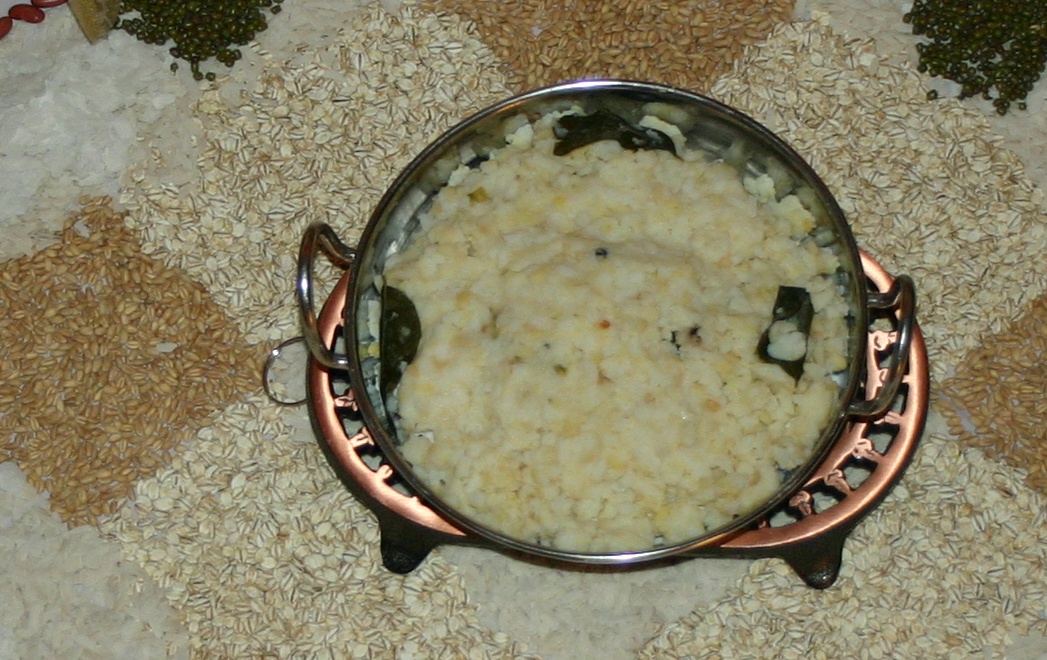
🇮🇳 India and 1 moreRice cooked in milk, central to the Tamil harvest festival
Main dish, Breakfast, Lunch
Pongal
🇮🇳 India and 1 moreRice cooked in milk, central to the Tamil harvest festival
Main dish, Breakfast, Lunch
Its cousins elsewhere
All sweets and desserts Apple pieVegetarian
🇬🇧 United Kingdom and 5 moreA baked pie with apple filling and pastry crust, served hot or cold
Sweet or dessert, Snacks
Apple pieVegetarian
🇬🇧 United Kingdom and 5 moreA baked pie with apple filling and pastry crust, served hot or cold
Sweet or dessert, Snacks
 Pumpkin pieVegetarian
🇺🇸 United States and 1 moreSweet pie with spiced pumpkin custard in a pastry shell, served for autumn holidays
Sweet or dessert
Pumpkin pieVegetarian
🇺🇸 United States and 1 moreSweet pie with spiced pumpkin custard in a pastry shell, served for autumn holidays
Sweet or dessert
 GalaktobourekoVegetarianγαλακτομπούρεκο
🇬🇷 Greece and 4 moreCustard-filled filo pastry soaked in syrup
Pie or savoury pastry
GalaktobourekoVegetarianγαλακτομπούρεκο
🇬🇷 Greece and 4 moreCustard-filled filo pastry soaked in syrup
Pie or savoury pastry
 Alfajor
🇦🇷 Argentina and 4 moreSweet biscuits or pastry joined with a filling, often dulce de leche or honey and nuts
Sweet or dessert, Snacks
Alfajor
🇦🇷 Argentina and 4 moreSweet biscuits or pastry joined with a filling, often dulce de leche or honey and nuts
Sweet or dessert, Snacks