Beijinho
Bite-sized Brazilian coconut candies topped with a single clove
Beijinho is a traditional Brazilian sweet made from condensed milk and grated coconut. Shaped into bite-sized balls, rolled in sugar or shredded coconut, and garnished with a clove, it is served at birthday parties across the country.
- Known in English as "little kiss", the candy is a coconut counterpart to Brazilian brigadeiro.
- Traditional versions are garnished with a single whole clove pressed into the top.
- In Rio Grande do Sul, the confection is known by the alternate name branquinho.
- Early versions, once called "Nun's kiss", were reportedly made from almonds, water, and sugar.
What is Beijinho?
Beijinho is a bite-sized Brazilian confectionery whose name translates to "little kiss." It is essentially the coconut-based counterpart to brigadeiro, another iconic Brazilian candy. The sweet is composed mainly of sweetened condensed milk combined with finely grated or desiccated coconut. Cooks shape the firm mixture into small spherical candies. Once formed, each sphere is coated on the outside with either granulated sugar, fine caster sugar, or extra grated coconut. To complete the presentation, a whole aromatic clove is pushed into the center of each ball. This gives the treat its characteristic appearance, pairing dairy richness and tropical coconut sweetness with the spicy, warm scent of a single dried flower bud.
Where does Beijinho come from?
The candy is tied to older confectionery traditions in Brazil. According to popular belief, beijinho developed from an earlier confection referred to as nun's kiss. In that older formulation, the recipe did not use dairy at all. Instead, it was prepared from a simple mixture of crushed almonds, water, and sugar. Over time, the candy evolved to mirror the structure of brigadeiro, swapping out chocolate for shredded coconut and incorporating condensed milk into the base. Today, this coconut confectionery is firmly established across the country as a counterpart to Brazil's darker chocolate fudge balls.
How is Beijinho made?
To make beijinho, cooks bring sweetened condensed milk and grated desiccated coconut together. Once the mixture thickens and cools enough to handle, it is portioned out and rolled between the palms into smooth, small spheres. The round candies are then rolled in an exterior coating to finish the surface. Depending on preference, they are coated in white granulated sugar, caster sugar, or additional shredded coconut flakes. Finally, the maker presses a single whole clove directly into the top of each ball. The clove serves as an edible garnish that adds aroma and anchors the treat's familiar presentation.
How and when is Beijinho eaten?
In Brazil, beijinho is best known as a fixture of birthday celebrations. It is routinely arranged on party tables alongside other bite-sized confections, particularly brigadeiros. Guests pick up the little spheres by hand and eat them in a single mouthful. Because they are individual party treats, they require no cutlery or plates to enjoy. The candies provide an intensely sweet snack suited to festive gatherings, where children and adults alike share platters of colourful sweets throughout the party.
Kinds of Beijinho
While beijinho is the common name used throughout most of the country, residents of the southern state of Rio Grande do Sul typically call the candy branquinho, which translates to "little white one." Variations in preparation usually involve the outer layer: some cooks prefer to roll the balls in caster or granulated sugar for a sparkling, slightly crunchy crust, while others roll them in dried grated coconut for extra chewiness and texture. In every standard form, however, the coconut base and the crowning whole clove remain the defining elements.
Questions people ask about Beijinho
What is beijinho made of?
Beijinho is made from sweetened condensed milk and grated desiccated coconut. The rolled balls are coated in sugar or extra coconut, then topped with a whole clove.
Where does beijinho come from?
Beijinho comes from Brazil, where it is a beloved party sweet. In the southern state of Rio Grande do Sul, the treat is widely known by the name branquinho.
What does the name beijinho mean?
The name beijinho means "little kiss" in Portuguese. In Rio Grande do Sul, it is called branquinho, meaning "little white one", while early legends refer to it as "Nun's kiss".
When is beijinho typically served?
Beijinho is a typical Brazilian birthday party sweet. It is served as a bite-sized treat, frequently alongside brigadeiro, for guests to eat by hand during celebrations.
Good reading and sources
The facts on this page come from the Wikipedia article "Beijinho", written by its contributors and used under the CC BY-SA 4.0 licence, and from its Wikidata record (CC0). EveryThali rewrote the text in its own words, with AI assistance, and compares every page with the article to make sure no passage is copied. It may be reused under the same CC BY-SA 4.0 licence with a link back.
It may contain mistakes, and it is not dietary or allergy advice: recipes differ from cook to cook. If something is wrong, tell us. Last refreshed 2026-10-04.
More from Brazil
All the food of Brazil ÉclairVegetarian
🇫🇷 France and 2 moreChoux pastry filled with cream and topped with icing
Pie or savoury pastry, Snacks, Tea time
ÉclairVegetarian
🇫🇷 France and 2 moreChoux pastry filled with cream and topped with icing
Pie or savoury pastry, Snacks, Tea time
 Churrochurros
🇪🇸 Spain and 5 moreRidged, deep-fried dough sticks often eaten hot with chocolate or coffee
Sweet or dessert, Breakfast, Snacks
Churrochurros
🇪🇸 Spain and 5 moreRidged, deep-fried dough sticks often eaten hot with chocolate or coffee
Sweet or dessert, Breakfast, Snacks
 Dulce de lecheVegetarian
🇦🇷 Argentina and 2 moreA sweet, spreadable milk and sugar confection from Latin America
Sweet or dessert, Snacks, Tea time
Dulce de lecheVegetarian
🇦🇷 Argentina and 2 moreA sweet, spreadable milk and sugar confection from Latin America
Sweet or dessert, Snacks, Tea time
 Crème caramelVegetarian
🇫🇷 France and 5 moreCustard dessert topped with a layer of liquid caramel
Sweet or dessert
Crème caramelVegetarian
🇫🇷 France and 5 moreCustard dessert topped with a layer of liquid caramel
Sweet or dessert
Its cousins elsewhere
All sweets and desserts SandeshVegetarianসন্দেশ
🇮🇳 India and 1 moreBengali sweet made from chhena and sugar, often shaped and flavoured
Sweet or dessert, Snacks, Tea time
SandeshVegetarianসন্দেশ
🇮🇳 India and 1 moreBengali sweet made from chhena and sugar, often shaped and flavoured
Sweet or dessert, Snacks, Tea time
 Es telerVegetarian
🇮🇩 IndonesiaIndonesian fruit cocktail with coconut, avocado, jackfruit and sweet milk over ice
Drink, Snacks
Es telerVegetarian
🇮🇩 IndonesiaIndonesian fruit cocktail with coconut, avocado, jackfruit and sweet milk over ice
Drink, Snacks
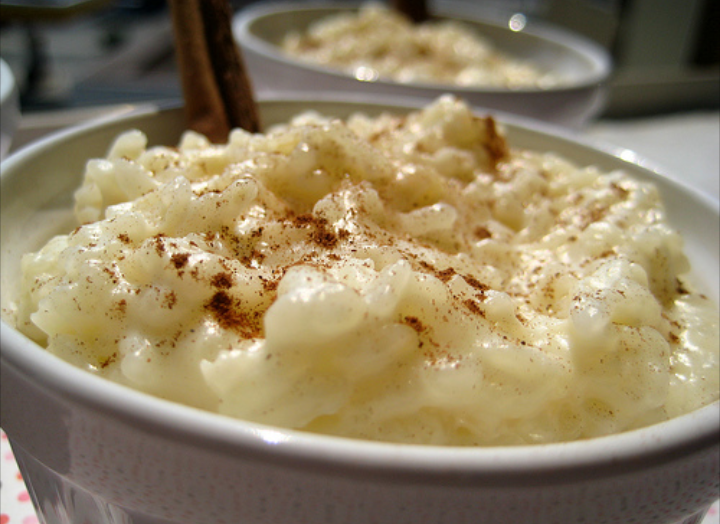 Rice pudding
🇮🇳 India and 4 moreSweetened rice cooked in milk, found in many forms worldwide
Sweet or dessert, Breakfast, Lunch
Sheer khurmaVegetarianشير خرما
🇮🇳 India and 2 moreA sweet vermicelli pudding with milk, dates and nuts for Eid celebrations
Sweet or dessert, Breakfast, Snacks
Rice pudding
🇮🇳 India and 4 moreSweetened rice cooked in milk, found in many forms worldwide
Sweet or dessert, Breakfast, Lunch
Sheer khurmaVegetarianشير خرما
🇮🇳 India and 2 moreA sweet vermicelli pudding with milk, dates and nuts for Eid celebrations
Sweet or dessert, Breakfast, Snacks