
Crème caramel
Custard dessert topped with a layer of liquid caramel
Crème caramel is a custard sweet with a thin caramel sauce, first recorded in France in the late 1800s. It is made by baking or steaming a mixture of eggs, milk, and sugar, with caramelized sugar poured into the mold before the custard. Known as flan in many countries, it is enjoyed cold or warm, often as a dessert after meals.
- Made from eggs, milk, and sugar with a caramel topping
- Known as flan in Spanish-speaking countries and Southeast Asia
- First described in a French cookbook in 1897
- Popular in France, Spain, Latin America, and Asia
- Can be baked or steamed in individual molds
What is Crème caramel?
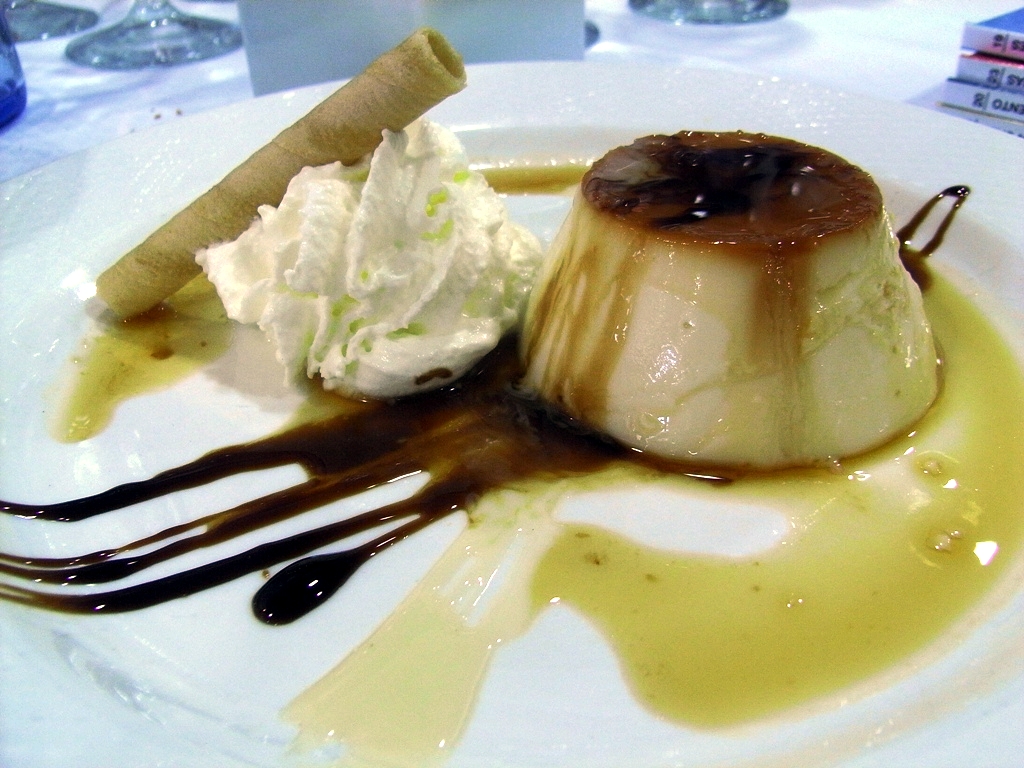
Crème caramel is a custard dessert with a layer of caramel sauce on top. The base is made from eggs, milk, and sugar, sometimes flavored with vanilla, citrus peel, or spices. The caramel forms a glossy, amber topping that melts into a syrup when the custard is unmolded. The texture is smooth and creamy, while the caramel adds a bittersweet note. It is usually served chilled, but can also be enjoyed warm.
Where does Crème caramel come from?
The dish was first described in a French cookbook from the late 19th century. Its name refers to the custard being turned out of its mold, leaving the caramel on top. While custards have a long history, this particular style became popular because it could be made in advance and served in individual portions. The French influence spread the dessert to many parts of the world, where it took on new names and local touches.
How is Crème caramel made?
To prepare crème caramel, sugar is heated until it turns into caramel and poured into the bottom of a mold or small dishes. A mixture of eggs, milk, and sugar is then added. The filled molds are cooked gently in a water bath, either in the oven or on the stove, to ensure even cooking and prevent the caramel from burning. Once set, the custard is cooled, then inverted onto a plate so the caramel becomes a sauce over the custard.



How and when is Crème caramel eaten?
Crème caramel is most often served as a dessert after lunch or dinner. It can be found in restaurants, at home, and at celebrations. In some countries, it is paired with whipped cream, dulce de leche, or fruit. The dessert is usually unmolded onto a plate so the caramel sauce covers the custard. It is eaten with a spoon, and its cool, silky texture makes it a popular choice in warm climates.
Kinds of Crème caramel
Many regions have their own versions. In Spain and Latin America, it is called flan and may include condensed milk or coconut. The Philippines makes a denser leche flan with only egg yolks and condensed milk. In Japan, purin is a lighter, smooth version sold in stores. Brazil’s pudim and Venezuela’s quesillo use condensed milk and sometimes add flavors like chocolate or cheese. French regions add local touches such as apple brandy or salted butter.
What Crème caramel means
Crème caramel is a familiar dessert in homes and restaurants across Europe, Latin America, and Asia. In the Philippines, it is a staple at festive gatherings. In Japan, it is widely available as a ready-made treat. The dish’s adaptability has made it part of everyday life and special occasions alike. Its many names and styles reflect the influence of French cooking and local traditions.
Questions people ask about Crème caramel
What is crème caramel made of?
It is made from eggs, milk, and sugar. The sugar is cooked into caramel, which forms a sauce on top of the custard.
Where did crème caramel originate?
Crème caramel was first recorded in France in the late 19th century, but similar custards are found worldwide.
How is crème caramel different from flan?
The name flan is used for crème caramel in many Spanish-speaking countries and Southeast Asia, but the dessert is essentially the same.
How is crème caramel cooked?
The custard is poured over caramel in a mold and cooked gently in a water bath, either baked or steamed.
Is crème caramel served hot or cold?
It can be served either cold or warm, though it is most often enjoyed chilled.
Good reading and sources
- Crème caramel on WikipediaEncyclopedia
- More photos on Wikimedia CommonsPhotos
- Wikidata recordOpen data
The facts on this page come from the Wikipedia article "Crème caramel", written by its contributors and used under the CC BY-SA 4.0 licence, and from its Wikidata record (CC0). Thali rewrote the text in its own words, with AI assistance, and compares every page with the article to make sure no passage is copied. It may be reused under the same CC BY-SA 4.0 licence with a link back.
It may contain mistakes, and it is not dietary or allergy advice: recipes differ from cook to cook. If something is wrong, tell us. Last refreshed 2026-10-03.
More from France
All the food of France Ice cream
🇺🇸 United States and 5 moreA frozen dessert made from sweetened, flavoured milk or cream
Sweet or dessert, Snacks
Ice cream
🇺🇸 United States and 5 moreA frozen dessert made from sweetened, flavoured milk or cream
Sweet or dessert, Snacks
 Candy
🇺🇸 United States and 5 moreSmall sweet treats made mainly from sugar or sweeteners
Sweet or dessert, Snacks
Candy
🇺🇸 United States and 5 moreSmall sweet treats made mainly from sugar or sweeteners
Sweet or dessert, Snacks
 CroissantVegetarian
🇫🇷 France and 5 moreA crescent-shaped, flaky pastry made from layered yeast dough and butter
Pie or savoury pastry, Breakfast, Tea time
CroissantVegetarian
🇫🇷 France and 5 moreA crescent-shaped, flaky pastry made from layered yeast dough and butter
Pie or savoury pastry, Breakfast, Tea time
 French toast
🇫🇷 France and 5 moreBread soaked in egg and milk, pan-fried and served sweet or savoury
Main dish, Breakfast, Snacks
French toast
🇫🇷 France and 5 moreBread soaked in egg and milk, pan-fried and served sweet or savoury
Main dish, Breakfast, Snacks
Its cousins elsewhere
All sweets and desserts Doughnut
🇺🇸 United States and 5 moreSweet fried or baked rings or balls, often glazed or filled
Sweet or dessert, Breakfast, Snacks
Doughnut
🇺🇸 United States and 5 moreSweet fried or baked rings or balls, often glazed or filled
Sweet or dessert, Breakfast, Snacks
 Eggnog
🇺🇸 United States and 5 moreA creamy, sweet drink of milk, eggs, sugar and spirits, served at Christmas
Drink, Snacks
Eggnog
🇺🇸 United States and 5 moreA creamy, sweet drink of milk, eggs, sugar and spirits, served at Christmas
Drink, Snacks
 Boortsog
🇰🇿 Kazakhstan and 5 moreGolden fried dough pieces from Central Asia and Mongolia, often served with tea or honey
Sweet or dessert, Snacks, Tea time
Boortsog
🇰🇿 Kazakhstan and 5 moreGolden fried dough pieces from Central Asia and Mongolia, often served with tea or honey
Sweet or dessert, Snacks, Tea time
 AnpanVegetarianあんパン
🇯🇵 JapanJapanese sweet roll filled with red bean paste or other fillings
Sweet or dessert, Snacks, Tea time
AnpanVegetarianあんパン
🇯🇵 JapanJapanese sweet roll filled with red bean paste or other fillings
Sweet or dessert, Snacks, Tea time