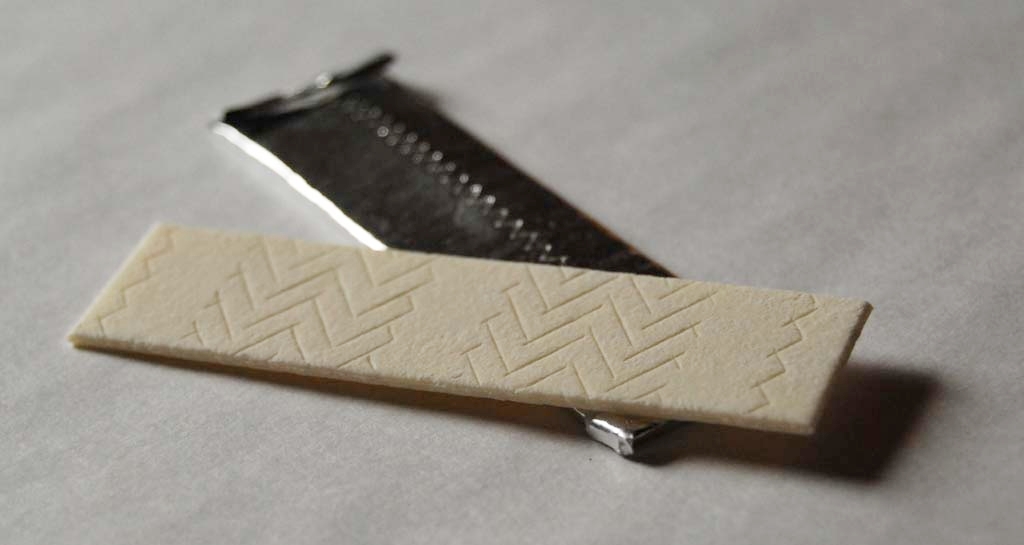
Chewing gum
A sweet, chewy treat made to be chewed but not swallowed
Chewing gum is a soft, elastic confection designed for chewing without swallowing. It is made from a gum base mixed with sweeteners, plasticizers, flavors, and colors, and often has a hard or powdered coating. Chewing gum comes in many shapes, including sticks, pellets, and cubes, and is enjoyed worldwide as a snack or for freshening breath.
- Chewing gum is made to be chewed, not swallowed
- Modern gum uses a synthetic or natural gum base
- Comes in sticks, pellets, cubes, and other shapes
- Gum stays chewy because its base does not dissolve in saliva
- First commercial chewing gum was sold in the United States in 1848
What is Chewing gum?
Chewing gum is a pliable, rubbery sweet that is meant to be chewed for an extended time without swallowing. Its main part is the gum base, which gives it a stretchy, chewy feel. Sweeteners, flavors, and colors are added, and many gums have a hard or powdered coating on the outside. The gum stays whole in the mouth because its base does not dissolve in saliva, letting the flavors and sweetness fade gradually as you chew. The texture is elastic and sticky, somewhat like soft rubber.
Where does Chewing gum come from?
People have chewed gum-like substances for thousands of years, using materials from local trees and plants. Ancient Greeks chewed mastic tree resin, while Mayans and Aztecs used chicle, a natural gum from tropical trees. In Finland, Neolithic people chewed birch bark tar. Modern chewing gum developed mainly in the United States, starting in the 1800s with spruce resin and later paraffin wax. Chicle-based gum became popular after it was brought from Mexico in the 1860s. Over time, synthetic gum bases replaced natural ones, and gum became a global snack.
How is Chewing gum made?
To make chewing gum, manufacturers first prepare the gum base by melting and filtering it. Sweeteners, flavors, and colors are mixed in while the base is warm and pliable, forming a thick dough. The mixture is then shaped using machines—either extruded and cut for cubes and chunks, or rolled and sliced for sticks and slabs. Some gums are coated with a hard or powdered layer, often using special basins that apply coatings in several steps. The finished gum is then packaged in various forms, such as sticks, pellets, or tablets.


How and when is Chewing gum eaten?
Chewing gum is usually eaten as a snack, not as part of a meal. People chew it for the taste, to freshen breath, or sometimes just for the act of chewing. It is not swallowed. Gum is often sold in packs of sticks, slabs, or coated pellets, and can be found in stores worldwide. Some types are made for blowing bubbles, while others are meant for a quick burst of flavor. There are no special customs or rituals tied to eating chewing gum, and it is enjoyed by people of all ages.
Kinds of Chewing gum
Chewing gum comes in several shapes and sizes, including sticks, slabs, coated pellets, tablets, cubes, and hollow balls. Some are made for blowing bubbles, while others are not. There are sugar and sugar-free varieties, and flavors range from mint and fruit to licorice. The coating can add extra flavor or a crunchy texture. Packaging varies from blister packs to bottles and boxes, depending on the type and brand.
What Chewing gum means
Chewing gum has become a familiar part of daily life in many countries, especially in the United States, where it was first commercialized. It became popular worldwide partly through American soldiers during World War II. Gum is often marketed for freshening breath or as a fun treat for children. Its long shelf life means it is widely available and rarely expires. Some places have restrictions on gum due to litter concerns, but it remains a common snack.
Questions people ask about Chewing gum
What is chewing gum made of?
Chewing gum is made from a gum base, sweeteners, flavors, colors, and often a hard or powdered coating. The gum base gives it its chewy texture, while the other ingredients add taste and appearance.
Where did chewing gum originate?
Chewing gum in various forms has been used by many cultures worldwide, but the modern version was developed mainly in the United States in the 1800s, using both natural and later synthetic gum bases.
Why doesn't chewing gum dissolve in your mouth?
The gum base is made of hydrophobic polymers that do not dissolve in saliva. This lets the gum stay intact and chewy even after the sweeteners and flavors have faded.
What shapes does chewing gum come in?
Chewing gum is available as sticks, slabs, coated pellets, tablets, cubes, and hollow balls. Some are designed for bubble blowing, while others are for freshening breath.
Is chewing gum always sweetened?
Most chewing gum contains sweeteners, either sugar or sugar substitutes, to give it a pleasant taste. There are both sugared and sugar-free varieties.
Good reading and sources
- Encyclopaedia BritannicaArticle
- BBC NEWS | UKBBC, Article
- A Brief History of Chewing GumSmithsonian Magazine, Article
- Why Singapore banned chewing gumBBC, Article
- Are there any known health risks from chewing gum (aside from the risk of accidentally swallowing it)? | Notes and QueriesThe Guardian, Article
The facts on this page come from the Wikipedia article "Chewing gum", written by its contributors and used under the CC BY-SA 4.0 licence, and from its Wikidata record (CC0). EveryThali rewrote the text in its own words, with AI assistance, and compares every page with the article to make sure no passage is copied. It may be reused under the same CC BY-SA 4.0 licence with a link back.
It may contain mistakes, and it is not dietary or allergy advice: recipes differ from cook to cook. If something is wrong, tell us. Last refreshed 2026-10-05.
More from the United States
All the food of the United States Ice cream
🇺🇸 United States and 5 moreA frozen dessert made from sweetened, flavoured milk or cream
Sweet or dessert, Snacks
Ice cream
🇺🇸 United States and 5 moreA frozen dessert made from sweetened, flavoured milk or cream
Sweet or dessert, Snacks
 Candy
🇺🇸 United States and 5 moreSmall sweet treats made mainly from sugar or sweeteners
Sweet or dessert, Snacks
Candy
🇺🇸 United States and 5 moreSmall sweet treats made mainly from sugar or sweeteners
Sweet or dessert, Snacks
 Doughnut
🇺🇸 United States and 5 moreSweet fried or baked rings or balls, often glazed or filled
Sweet or dessert, Breakfast, Snacks
Doughnut
🇺🇸 United States and 5 moreSweet fried or baked rings or balls, often glazed or filled
Sweet or dessert, Breakfast, Snacks
 Hot chocolate
🇲🇽 Mexico and 5 moreA warm drink made from chocolate or cocoa, milk or water, and sugar
Drink, Breakfast, Snacks
Hot chocolate
🇲🇽 Mexico and 5 moreA warm drink made from chocolate or cocoa, milk or water, and sugar
Drink, Breakfast, Snacks
Its cousins elsewhere
All sweets and desserts Açaí na tigelaVegan
🇧🇷 Brazil and 2 moreFrozen açaí pulp blended and served in a bowl with sweet toppings
Sweet or dessert, Snacks
DawamescVegan
🇩🇿 AlgeriaA sweet cannabis-based edible from Algeria with nuts and aromatic spices
Sweet or dessert
Açaí na tigelaVegan
🇧🇷 Brazil and 2 moreFrozen açaí pulp blended and served in a bowl with sweet toppings
Sweet or dessert, Snacks
DawamescVegan
🇩🇿 AlgeriaA sweet cannabis-based edible from Algeria with nuts and aromatic spices
Sweet or dessert
 Chocolate
🇨🇮 Ivory Coast and 5 moreA sweet or bitter food made from processed cocoa beans, enjoyed in many forms worldwide
Sweet or dessert, Snacks
Halvaحَلَاوَة
🇮🇷 Iran and 5 moreDense sweet made from seeds, grains, or vegetables, found across Asia, Africa, and Europe
Sweet or dessert, Snacks, Tea time
Chocolate
🇨🇮 Ivory Coast and 5 moreA sweet or bitter food made from processed cocoa beans, enjoyed in many forms worldwide
Sweet or dessert, Snacks
Halvaحَلَاوَة
🇮🇷 Iran and 5 moreDense sweet made from seeds, grains, or vegetables, found across Asia, Africa, and Europe
Sweet or dessert, Snacks, Tea time