
Ice cream
A frozen dessert made from sweetened, flavoured milk or cream
Ice cream is a cold dessert made by freezing a mixture of milk or cream, sweetener, and flavourings such as fruit, cocoa or vanilla. It is enjoyed worldwide in cones, dishes, or as part of other desserts. Many countries have their own versions, and dairy-free options exist for those with dietary needs.
- Made by freezing sweetened milk or cream with flavourings
- Stirred while freezing to keep it smooth and airy
- Served in cones, dishes, or as part of other desserts
- Dairy-free and vegan versions use plant-based milks
- Popular worldwide, with many regional styles
What is Ice cream?
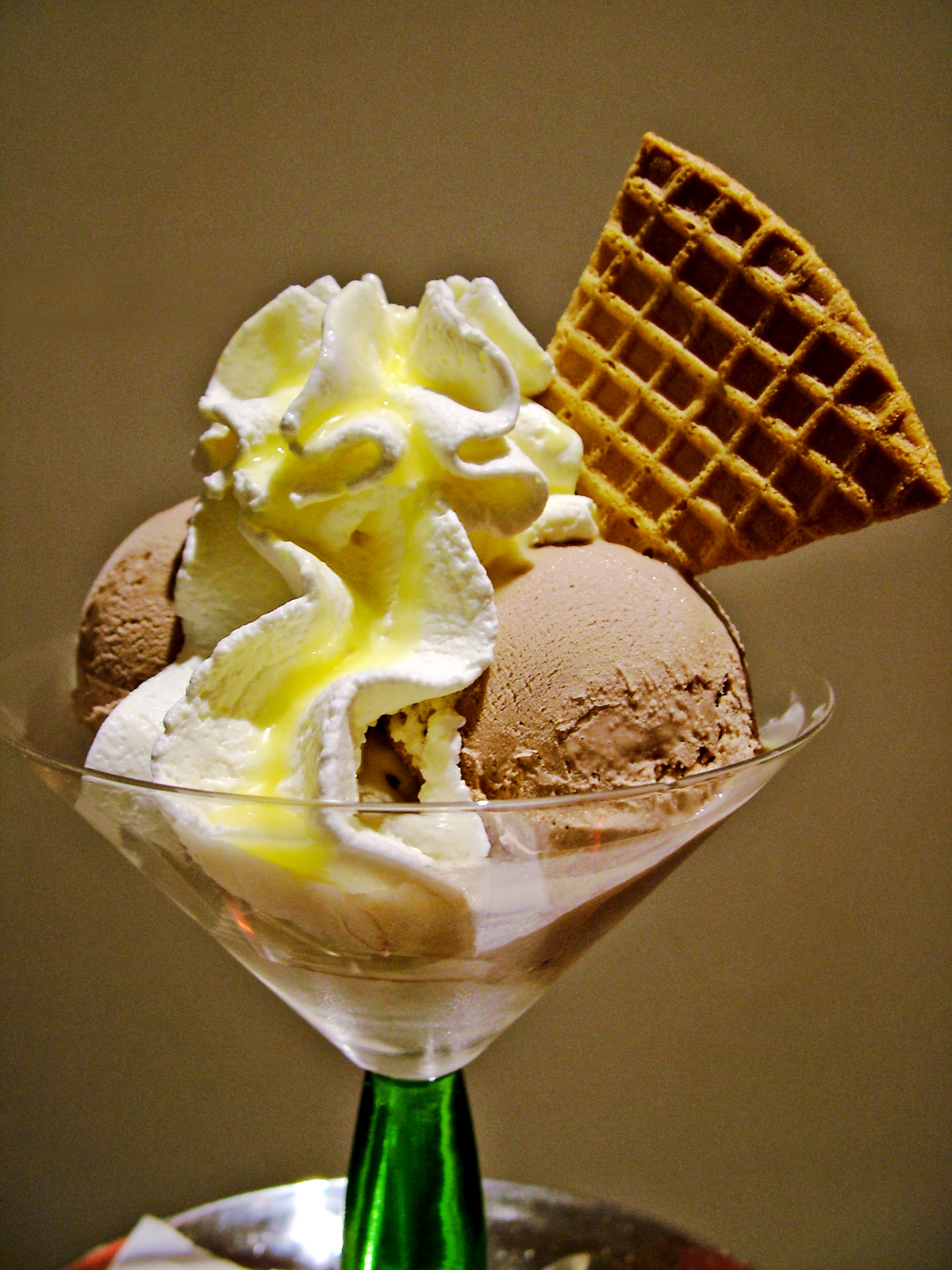
Ice cream is a smooth, cold dessert made by freezing a blend of milk or cream, sweetener, and flavourings such as cocoa, vanilla, or fruit. Sometimes food colouring and stabilizers are added to improve texture and appearance. The mixture is stirred as it freezes, which keeps it airy and prevents large ice crystals from forming. It can be served in a dish, on a wafer cone, or as part of other sweets. The texture is soft and creamy when cold, becoming more pliable as it warms.
Where does Ice cream come from?
Frozen desserts have ancient roots, with early versions found in Persia and Rome, where sweetened drinks or foods were chilled with ice or snow. In Japan, ice desserts like kakigōri date back to the Heian period. The method of freezing mixtures with salt and ice appeared in Europe in the 16th and 17th centuries. By the late 1600s, ice cream recipes were published in France and England, and the treat spread through Europe and North America, becoming popular with both royalty and the public.
How is Ice cream made?
To make ice cream, milk or cream is mixed with sweetener and flavourings, then cooled below the freezing point of water. The mixture is stirred during freezing to add air and keep the texture smooth. Sometimes, liquid nitrogen is used for rapid freezing. Dairy-free versions use plant-based milks like soy, coconut, or almond. The finished product is kept at low temperatures to stay solid and creamy.



How and when is Ice cream eaten?
Ice cream is eaten as a dessert or snack, often from a cone or dish, and sometimes with a spoon. It is also used in sundaes, milkshakes, ice cream cakes, and floats, or served alongside cakes and pies. It is sold in parlours, stands, carts, and vans, and is enjoyed in many settings, from family gatherings to street corners. It is popular year-round, especially in warm weather.
Kinds of Ice cream
Many types of ice cream exist. Gelato from Italy is dense and less airy. Frozen custard is richer, with more egg yolk. Soft serve is lighter and served at warmer temperatures. Non-dairy ice creams use plant-based milks for those avoiding animal products. Frozen yoghurt and sorbet are also common, offering different textures and flavours. Regional desserts like kulfi in India and bastani in Iran have their own traditions.
What Ice cream means
Ice cream has become a symbol of leisure and celebration in many cultures. Its production and sale are regulated in some countries, with legal definitions for what can be called ice cream. Dedicated shops and mobile vendors are common in cities worldwide. The dessert is often linked to childhood memories, summer, and special occasions, and has inspired many local and international variations.
Questions people ask about Ice cream
What is ice cream made of?
Ice cream is made from milk or cream, sweetener such as sugar, and flavourings like cocoa, vanilla, or fruit. Some versions include food colouring or stabilizers for texture.
Where did ice cream originate?
Frozen desserts have ancient origins in Persia, Rome, and Japan. The modern method of making ice cream by freezing a stirred mixture was developed in Europe in the 16th and 17th centuries.
Are there non-dairy or vegan ice creams?
Yes, ice cream can be made with plant-based milks such as soy, coconut, almond, or oat. There are also fruit-based options like banana 'nice cream' for those avoiding dairy.
How is ice cream usually served?
Ice cream is served cold, often in a dish or on a wafer cone. It can also be part of desserts like sundaes, milkshakes, ice cream cakes, or floats.
What are some popular variations of ice cream?
Popular variations include gelato from Italy, frozen custard, soft serve, frozen yoghurt, and regional desserts like kulfi from India and bastani from Iran.
Good reading and sources
- Encyclopaedia BritannicaArticle
- Nice ice, baby: what’s in those pricier Japanese shaved ice dessertsSouth China Morning Post, Article
- The Complete History of Ice Cream ConesSerious Eats, Article
The facts on this page come from the Wikipedia article "Ice cream", written by its contributors and used under the CC BY-SA 4.0 licence, and from its Wikidata record (CC0). Thali rewrote the text in its own words, with AI assistance, and compares every page with the article to make sure no passage is copied. It may be reused under the same CC BY-SA 4.0 licence with a link back.
It may contain mistakes, and it is not dietary or allergy advice: recipes differ from cook to cook. If something is wrong, tell us. Last refreshed 2026-10-03.
More from the United States
All the food of the United States WineVegan
🇬🇪 Georgia and 5 moreAlcoholic drink made by fermenting grape juice in many styles and colors
Drink
WineVegan
🇬🇪 Georgia and 5 moreAlcoholic drink made by fermenting grape juice in many styles and colors
Drink
 Candy
🇺🇸 United States and 5 moreSmall sweet treats made mainly from sugar or sweeteners
Sweet or dessert, Snacks
Candy
🇺🇸 United States and 5 moreSmall sweet treats made mainly from sugar or sweeteners
Sweet or dessert, Snacks
 Doughnut
🇺🇸 United States and 5 moreSweet fried or baked rings or balls, often glazed or filled
Sweet or dessert, Breakfast, Snacks
Doughnut
🇺🇸 United States and 5 moreSweet fried or baked rings or balls, often glazed or filled
Sweet or dessert, Breakfast, Snacks
 Hot chocolate
🇲🇽 Mexico and 5 moreA warm drink made from chocolate or cocoa, milk or water, and sugar
Drink, Breakfast, Snacks
Hot chocolate
🇲🇽 Mexico and 5 moreA warm drink made from chocolate or cocoa, milk or water, and sugar
Drink, Breakfast, Snacks
Its cousins elsewhere
All sweets and desserts BriocheVegetarianune brioche
🇫🇷 FranceFrench bread made with eggs and butter, often shaped in rounds or loaves
Bread, Breakfast, Snacks
BriocheVegetarianune brioche
🇫🇷 FranceFrench bread made with eggs and butter, often shaped in rounds or loaves
Bread, Breakfast, Snacks
 GelatoVegetarian
🇮🇹 Italy and 1 moreItalian-style ice cream with a dense, smooth texture and intense flavor
Sweet or dessert, Snacks
GelatoVegetarian
🇮🇹 Italy and 1 moreItalian-style ice cream with a dense, smooth texture and intense flavor
Sweet or dessert, Snacks
 DondurmaVegetarian
🇹🇷 Turkey and 2 moreTurkish ice cream thickened with salep and mastic for a chewy, stretchy texture
Sweet or dessert, Snacks
DondurmaVegetarian
🇹🇷 Turkey and 2 moreTurkish ice cream thickened with salep and mastic for a chewy, stretchy texture
Sweet or dessert, Snacks
 Chocolate
🇨🇮 Ivory Coast and 5 moreA sweet or bitter food made from processed cocoa beans, enjoyed in many forms worldwide
Sweet or dessert, Snacks
Chocolate
🇨🇮 Ivory Coast and 5 moreA sweet or bitter food made from processed cocoa beans, enjoyed in many forms worldwide
Sweet or dessert, Snacks