
Cruller
Deep-fried twisted or ring-shaped pastry, often topped with sugar or icing
A cruller is a deep-fried pastry with a twisted or ring shape, enjoyed in parts of Europe and North America. European versions are usually twisted strips or rectangles of dough, while North American crullers are often stick-shaped or made from choux pastry in a ring. They are served plain, with cinnamon sugar, or dipped in icing.
- Crullers can be twisted, stick-shaped, or ring-shaped
- French crullers are made from choux pastry and are light and airy
- Popular in the U.S., Canada, Germany, UK, Australia, and Japan
- Often topped with cinnamon sugar or icing
- Traditionally made for New Year's in Scandinavia
What is Cruller?
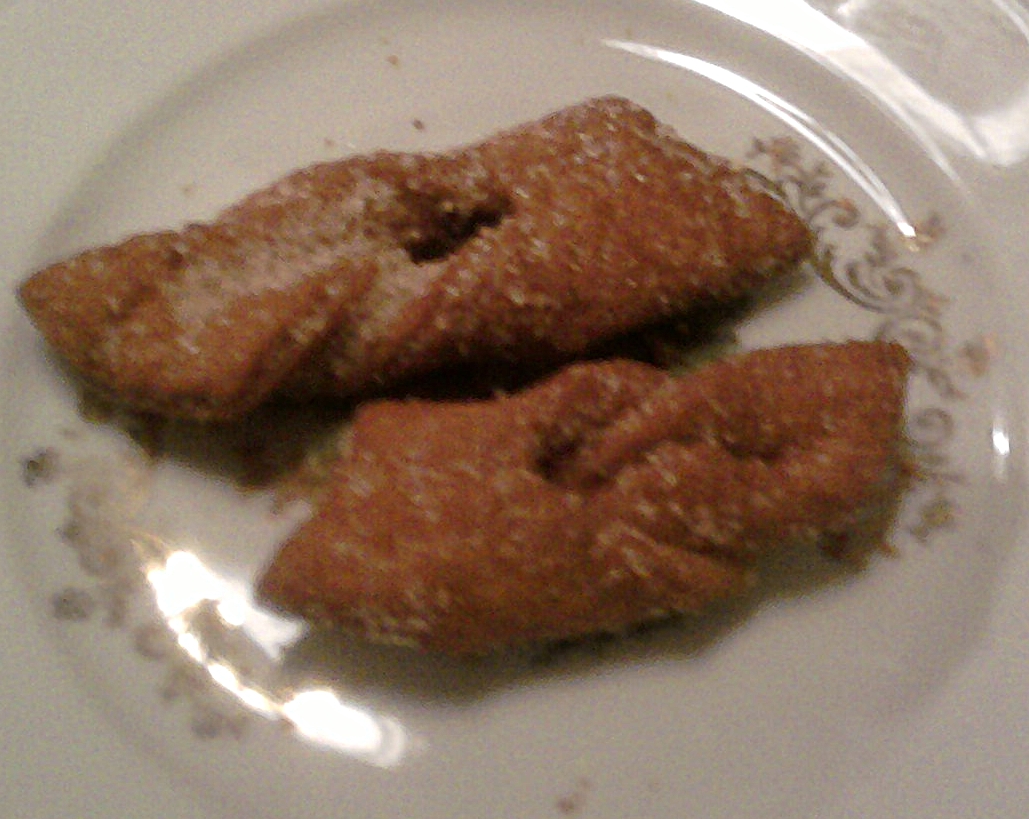
Crullers are deep-fried pastries that come in several shapes. In Europe, they are often made by twisting strips or folding rectangles of dough, creating a curled or plaited look. North American crullers can be stick-shaped or, in the case of the French cruller, formed into a light, airy ring using choux pastry. Toppings vary: some are dusted with cinnamon sugar, others glazed with icing, or served plain. The texture can range from dense and crunchy to soft and airy, depending on the style.
Where does Cruller come from?
The word 'cruller' comes from the Dutch 'kruller', meaning 'to curl'. Crullers have roots in Dutch and German baking, with similar pastries found in Scandinavia and northern Germany. In the United States, they were brought by Pennsylvania Dutch settlers in the late 18th and early 19th centuries, especially in areas with large German populations. The French cruller, made from choux pastry, is related to the German Spritzkuchen and became popular in the U.S. through doughnut shops.
How is Cruller made?
Traditional crullers are made by shaping dough into twists or folding rectangles and pulling one end through a slit in the center. These are then deep-fried until golden. French crullers use choux pastry, piped into fluted rings and fried, resulting in a lighter, airy texture. After frying, crullers may be coated with cinnamon sugar, dipped in icing, or left plain. The process can be labor-intensive, especially for hand-shaped versions.


How and when is Cruller eaten?
Crullers are commonly eaten for breakfast or as a snack. In Europe, they are often made at Christmas or New Year's, sometimes as a family activity. In North America, they are found in bakeries and doughnut shops, especially in regions with German heritage. French crullers are popular in the U.S., Canada, the UK, and Australia, and are available at large chains and independent shops. They are usually enjoyed with coffee or tea.
Kinds of Cruller
European crullers include Danish klejner and Swedish klenäter, both twisted pastries made for holidays. The French cruller, made from choux pastry, is lighter and ring-shaped. In the U.S., Milwaukee-style crullers are loaf-shaped and glazed. The UK has the Aberdeen crulla and the 'yum-yum', a straightened, iced version. Some Asian pastries like youtiao and mahua are called crullers for their similar appearance, though they differ in texture and taste.
What Cruller means
Crullers are tied to festive occasions in Scandinavia, especially New Year's, when families make them together. In the U.S., they reflect the influence of German and Dutch immigrants, with regional styles persisting in areas like the Midwest. The French cruller has become a staple in doughnut shops and is recognized internationally. Some chains have replaced traditional crullers with machine-made versions due to the labor involved in hand-shaping.
Questions people ask about Cruller
What is a cruller made of?
A cruller is made from dough, sometimes choux pastry, and is deep-fried. It may be topped with cinnamon sugar, icing, or served plain.
Where does the cruller come from?
Crullers have Dutch and German origins and became popular in North America through immigrant communities. They are also found in Scandinavia and the UK.
What does a cruller look like?
Crullers can be twisted strips, stick-shaped, or ring-shaped. French crullers have a fluted ring appearance and are lighter in texture.
When are crullers usually eaten?
Crullers are eaten for breakfast or as a snack. In Scandinavia, they are often made at Christmas or New Year's.
Are there different types of crullers?
Yes, there are traditional twisted crullers, loaf-shaped versions, and French crullers made from choux pastry. Regional variations exist in Europe and North America.
Good reading and sources
The facts on this page come from the Wikipedia article "Cruller", written by its contributors and used under the CC BY-SA 4.0 licence, and from its Wikidata record (CC0). Thali rewrote the text in its own words, with AI assistance, and compares every page with the article to make sure no passage is copied. It may be reused under the same CC BY-SA 4.0 licence with a link back.
It may contain mistakes, and it is not dietary or allergy advice: recipes differ from cook to cook. If something is wrong, tell us. Last refreshed 2026-10-03.
More from the United States
All the food of the United States Ice cream
🇺🇸 United States and 5 moreA frozen dessert made from sweetened, flavoured milk or cream
Sweet or dessert, Snacks
Ice cream
🇺🇸 United States and 5 moreA frozen dessert made from sweetened, flavoured milk or cream
Sweet or dessert, Snacks
 Candy
🇺🇸 United States and 5 moreSmall sweet treats made mainly from sugar or sweeteners
Sweet or dessert, Snacks
Candy
🇺🇸 United States and 5 moreSmall sweet treats made mainly from sugar or sweeteners
Sweet or dessert, Snacks
 Doughnut
🇺🇸 United States and 5 moreSweet fried or baked rings or balls, often glazed or filled
Sweet or dessert, Breakfast, Snacks
Doughnut
🇺🇸 United States and 5 moreSweet fried or baked rings or balls, often glazed or filled
Sweet or dessert, Breakfast, Snacks
 Hot chocolate
🇲🇽 Mexico and 5 moreA warm drink made from chocolate or cocoa, milk or water, and sugar
Drink, Breakfast, Snacks
Hot chocolate
🇲🇽 Mexico and 5 moreA warm drink made from chocolate or cocoa, milk or water, and sugar
Drink, Breakfast, Snacks
Its cousins elsewhere
All pies and savoury pastries BaklavaVegetarianباقلوا
🇹🇷 Turkey and 5 moreThin pastry filled with nuts and soaked in sweet syrup
Sweet or dessert, Tea time, Snacks
BaklavaVegetarianباقلوا
🇹🇷 Turkey and 5 moreThin pastry filled with nuts and soaked in sweet syrup
Sweet or dessert, Tea time, Snacks
 Apple pieVegetarian
🇬🇧 United Kingdom and 5 moreA baked pie with apple filling and pastry crust, served hot or cold
Sweet or dessert, Snacks
Apple pieVegetarian
🇬🇧 United Kingdom and 5 moreA baked pie with apple filling and pastry crust, served hot or cold
Sweet or dessert, Snacks
 ÉclairVegetarian
🇫🇷 France and 2 moreChoux pastry filled with cream and topped with icing
Pie or savoury pastry, Snacks, Tea time
ÉclairVegetarian
🇫🇷 France and 2 moreChoux pastry filled with cream and topped with icing
Pie or savoury pastry, Snacks, Tea time
 Apple strudelVegetarian
🇦🇹 Austria and 5 moreThin pastry rolled around spiced apple filling and baked until golden
Pie or savoury pastry, Tea time, Snacks
Apple strudelVegetarian
🇦🇹 Austria and 5 moreThin pastry rolled around spiced apple filling and baked until golden
Pie or savoury pastry, Tea time, Snacks