
Floating island
In its own language: île flottante
Soft meringue set afloat on vanilla custard sauce
Floating island is a French dessert where a light, baked meringue rests on a pool of vanilla custard called crème anglaise. The meringue is gently cooked in a water bath and served either chilled or at room temperature. This sweet is enjoyed as a dessert and is known for its delicate texture and elegant presentation.
- Soft meringue floats on vanilla custard sauce
- The meringue is baked in a water bath
- Known in French as île flottante
- Served chilled or at room temperature
What is Floating island?
A floating island is a dessert made of a soft, airy meringue set on a pool of crème anglaise, which is a smooth vanilla custard sauce. The meringue is made from whipped egg whites and sugar, sometimes with vanilla, and is baked gently so it stays light and delicate. The finished dessert is usually presented with the meringue 'floating' on the custard, creating a contrast between the fluffy, sweet meringue and the creamy, lightly sweetened sauce. It can be served chilled or at room temperature.
Where does Floating island come from?
Floating island comes from France, where it is known as île flottante. The dessert has a complex history, with early English and French versions differing from the modern form. In 18th-century England, floating island was a centerpiece made with whipped cream, bread, jelly, and fruit. French versions sometimes used sponge cake or brioche in custard or berry sauce. Over time, the French style with meringue and custard became the standard. By the 20th century, it was considered a classic, though less commonly served than before.
How is Floating island made?
To prepare floating island, egg whites are beaten with sugar until stiff, then poured into a mold, which may be lined with caramelized sugar. The meringue is gently baked in a bain-marie, a water bath that ensures even, gentle heat. Once set and cooled, the meringue is unmolded onto a serving dish where it floats on a layer of crème anglaise. Sometimes, variations use a thicker sauce poured over the meringue instead of underneath.

How and when is Floating island eaten?
Floating island is served as a dessert, either at room temperature or chilled. It is typically enjoyed after a meal, often on its own due to its rich and sweet nature. The dessert is known for its lightness and is sometimes chosen for special occasions or as a refined finish to a meal. No specific accompaniments are traditional, as the contrast between the meringue and custard is the main feature.
Kinds of Floating island
There are several variations of floating island. The French dessert œufs à la neige uses poached, egg-sized pieces of meringue instead of a single baked one. Historical recipes included layers of cake or bread with jelly and fruit, or versions with sponge cake soaked in liqueur and covered in cream or fruit puree. Today, most versions stick to the classic meringue and custard pairing, though some may invert the presentation or add caramel.
What Floating island means
Floating island is considered a classic French dessert and is featured in culinary references such as Larousse Gastronomique. While it has become less common over time, it is still valued for its elegance and delicate texture. The dish has been mentioned in historical cookbooks and was once a centerpiece for festive tables. It is also connected to both French and English culinary traditions, showing its broad cultural reach.
Questions people ask about Floating island
What is floating island made of?
Floating island is made of a soft meringue, which is whipped egg whites and sugar, set on a pool of crème anglaise, a vanilla custard sauce made from egg yolks, milk, sugar, and vanilla.
Where does floating island come from?
Floating island originates from France, where it is known as île flottante. It has roots in both French and English dessert traditions.
How is the meringue cooked for floating island?
The meringue is baked gently in a bain-marie, which is a water bath that helps it cook evenly and stay soft and airy.
Is floating island served hot or cold?
Floating island can be served either chilled or at room temperature, depending on preference.
What is the difference between floating island and œufs à la neige?
Œufs à la neige is a similar dessert where the meringue is poached in small, egg-sized pieces rather than baked as one large piece.
Good reading and sources
- Floating island (dessert) on WikipediaEncyclopedia
- More photos on Wikimedia CommonsPhotos
- Wikidata recordOpen data
The facts on this page come from the Wikipedia article "Floating island (dessert)", written by its contributors and used under the CC BY-SA 4.0 licence, and from its Wikidata record (CC0). Thali rewrote the text in its own words, with AI assistance, and compares every page with the article to make sure no passage is copied. It may be reused under the same CC BY-SA 4.0 licence with a link back.
It may contain mistakes, and it is not dietary or allergy advice: recipes differ from cook to cook. If something is wrong, tell us. Last refreshed 2026-10-03.
More from France
All the food of France Ice cream
🇺🇸 United States and 5 moreA frozen dessert made from sweetened, flavoured milk or cream
Sweet or dessert, Snacks
Ice cream
🇺🇸 United States and 5 moreA frozen dessert made from sweetened, flavoured milk or cream
Sweet or dessert, Snacks
 Candy
🇺🇸 United States and 5 moreSmall sweet treats made mainly from sugar or sweeteners
Sweet or dessert, Snacks
Candy
🇺🇸 United States and 5 moreSmall sweet treats made mainly from sugar or sweeteners
Sweet or dessert, Snacks
 CroissantVegetarian
🇫🇷 France and 5 moreA crescent-shaped, flaky pastry made from layered yeast dough and butter
Pie or savoury pastry, Breakfast, Tea time
CroissantVegetarian
🇫🇷 France and 5 moreA crescent-shaped, flaky pastry made from layered yeast dough and butter
Pie or savoury pastry, Breakfast, Tea time
 French toast
🇫🇷 France and 5 moreBread soaked in egg and milk, pan-fried and served sweet or savoury
Main dish, Breakfast, Snacks
French toast
🇫🇷 France and 5 moreBread soaked in egg and milk, pan-fried and served sweet or savoury
Main dish, Breakfast, Snacks
Its cousins elsewhere
All sweets and desserts Suspiro de limeñaVegetarian
🇵🇪 PeruPeruvian dessert with caramelized milk and port wine meringue
Sweet or dessert
Suspiro de limeñaVegetarian
🇵🇪 PeruPeruvian dessert with caramelized milk and port wine meringue
Sweet or dessert
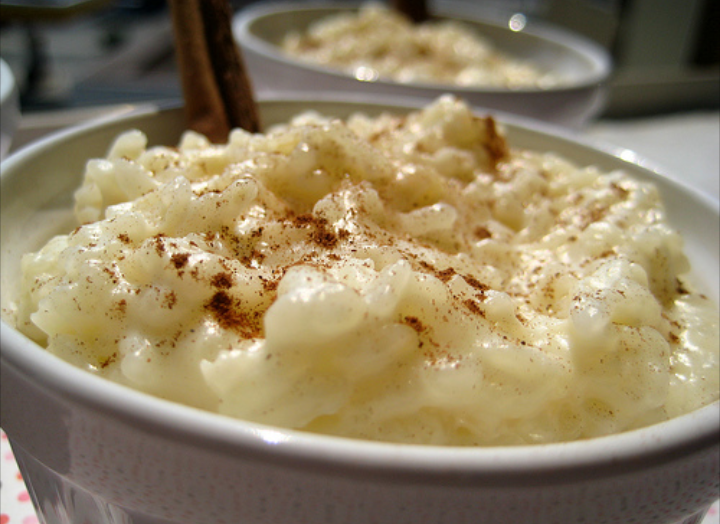 Rice pudding
🇮🇳 India and 4 moreSweetened rice cooked in milk, found in many forms worldwide
Sweet or dessert, Breakfast, Lunch
Rice pudding
🇮🇳 India and 4 moreSweetened rice cooked in milk, found in many forms worldwide
Sweet or dessert, Breakfast, Lunch
 Eggnog
🇺🇸 United States and 5 moreA creamy, sweet drink of milk, eggs, sugar and spirits, served at Christmas
Drink, Snacks
Eggnog
🇺🇸 United States and 5 moreA creamy, sweet drink of milk, eggs, sugar and spirits, served at Christmas
Drink, Snacks
 Chocolate
🇨🇮 Ivory Coast and 5 moreA sweet or bitter food made from processed cocoa beans, enjoyed in many forms worldwide
Sweet or dessert, Snacks
Chocolate
🇨🇮 Ivory Coast and 5 moreA sweet or bitter food made from processed cocoa beans, enjoyed in many forms worldwide
Sweet or dessert, Snacks