
Hokey pokey
Vanilla ice cream with chunks of honeycomb toffee from New Zealand
Hokey pokey is a New Zealand ice cream made by mixing vanilla ice cream with small pieces of honeycomb toffee. It is a popular dessert, especially in New Zealand, where it is considered a classic local treat and is often associated with national identity.
- Second-most popular ice cream flavor in New Zealand
- Made with vanilla ice cream and honeycomb toffee pieces
- Regarded as a classic example of Kiwiana
- Originally used solid toffee until about 1980
What is Hokey pokey?
Hokey pokey is a type of ice cream that combines smooth vanilla ice cream with small, crunchy pieces of honeycomb toffee. The toffee is golden and sweet, adding a caramel-like crunch to each bite. The treat is visually simple: creamy white ice cream dotted with irregular amber chunks. The taste is a mix of cool vanilla and the burnt-sugar flavor of the toffee, making it both creamy and crisp in texture.
Where does Hokey pokey come from?
The name hokey pokey has been used in New Zealand for honeycomb toffee since the late 1800s, but the ice cream itself appeared in the mid-20th century. The exact reason for the name is unclear, though it may relate to the phrase 'hocus-pocus' or come from Italian street vendor slang. Originally, the ice cream used solid toffee, but around 1980, the recipe changed to use small balls of honeycomb toffee. Hokey pokey has become a symbol of New Zealand's food culture.
How is Hokey pokey made?
To make hokey pokey ice cream, plain vanilla ice cream is mixed with small, solid pieces of honeycomb toffee. The toffee is made by heating sugar and golden syrup with baking soda, which creates bubbles and a light, crunchy texture. Once cooled and broken into chunks, the toffee is folded into the ice cream. The finished product is then frozen until firm.
How and when is Hokey pokey eaten?
Hokey pokey is eaten as a dessert or sweet treat, most often enjoyed on its own in a bowl or cone. It is especially popular in New Zealand, where it is considered a classic flavor and is widely available in supermarkets and ice cream shops. People eat it year-round, and it is often served at gatherings or as a simple pleasure on a warm day.
Kinds of Hokey pokey
The main variation in hokey pokey ice cream has been the shift from using solid toffee to small balls of honeycomb toffee, a change made by the Tip Top company around 1980. While the classic version uses vanilla ice cream, some modern versions may experiment with different ice cream bases or add sauces, but the combination of vanilla and honeycomb toffee remains the standard.
What Hokey pokey means
Hokey pokey is the second-most popular ice cream flavor in New Zealand, just after vanilla. It is often cited as an example of 'Kiwiana', a term for items that represent New Zealand culture. The ice cream is exported to other countries, including Australia and Japan, but remains most closely tied to New Zealand identity and nostalgia.
Questions people ask about Hokey pokey
What is hokey pokey ice cream made of?
Hokey pokey ice cream is made from plain vanilla ice cream mixed with small, solid pieces of honeycomb toffee.
Where does hokey pokey ice cream come from?
Hokey pokey ice cream comes from New Zealand, where it is a popular and iconic dessert.
What does the honeycomb toffee in hokey pokey taste like?
The honeycomb toffee is sweet and crunchy, with a caramelized, slightly burnt-sugar flavor that contrasts with the creamy vanilla ice cream.
Is hokey pokey ice cream vegetarian?
Yes, hokey pokey ice cream is vegetarian, as it contains no meat or fish products.
How is hokey pokey ice cream served?
It is usually served in a bowl or cone as a dessert or treat, and is enjoyed year-round in New Zealand.
Good reading and sources
The facts on this page come from the Wikipedia article "Hokey pokey (ice cream)", written by its contributors and used under the CC BY-SA 4.0 licence, and from its Wikidata record (CC0). Thali rewrote the text in its own words, with AI assistance, and compares every page with the article to make sure no passage is copied. It may be reused under the same CC BY-SA 4.0 licence with a link back.
It may contain mistakes, and it is not dietary or allergy advice: recipes differ from cook to cook. If something is wrong, tell us. Last refreshed 2026-10-03.
More from New Zealand
All the food of New Zealand Pie
🇬🇧 United Kingdom and 5 moreA baked dish with a pastry crust and sweet or savoury filling
Main dish, Lunch, Dinner
Pie
🇬🇧 United Kingdom and 5 moreA baked dish with a pastry crust and sweet or savoury filling
Main dish, Lunch, Dinner
 KabochaVeganカボチャ
🇯🇵 Japan and 5 moreA sweet, dense winter squash with edible skin, used in Japanese and Asian cooking
Main dish, Lunch, Dinner
KabochaVeganカボチャ
🇯🇵 Japan and 5 moreA sweet, dense winter squash with edible skin, used in Japanese and Asian cooking
Main dish, Lunch, Dinner
 Scone
🇬🇧 United Kingdom and 5 moreA quick bread, sweet or savoury, served with tea in Britain and beyond
Bread, Tea time, Breakfast
Scone
🇬🇧 United Kingdom and 5 moreA quick bread, sweet or savoury, served with tea in Britain and beyond
Bread, Tea time, Breakfast
 Christmas pudding
🇬🇧 United Kingdom and 4 moreSteamed or boiled sweet pudding with dried fruit, served at Christmas dinner
Sweet or dessert, Dinner
Christmas pudding
🇬🇧 United Kingdom and 4 moreSteamed or boiled sweet pudding with dried fruit, served at Christmas dinner
Sweet or dessert, Dinner
Its cousins elsewhere
All sweets and desserts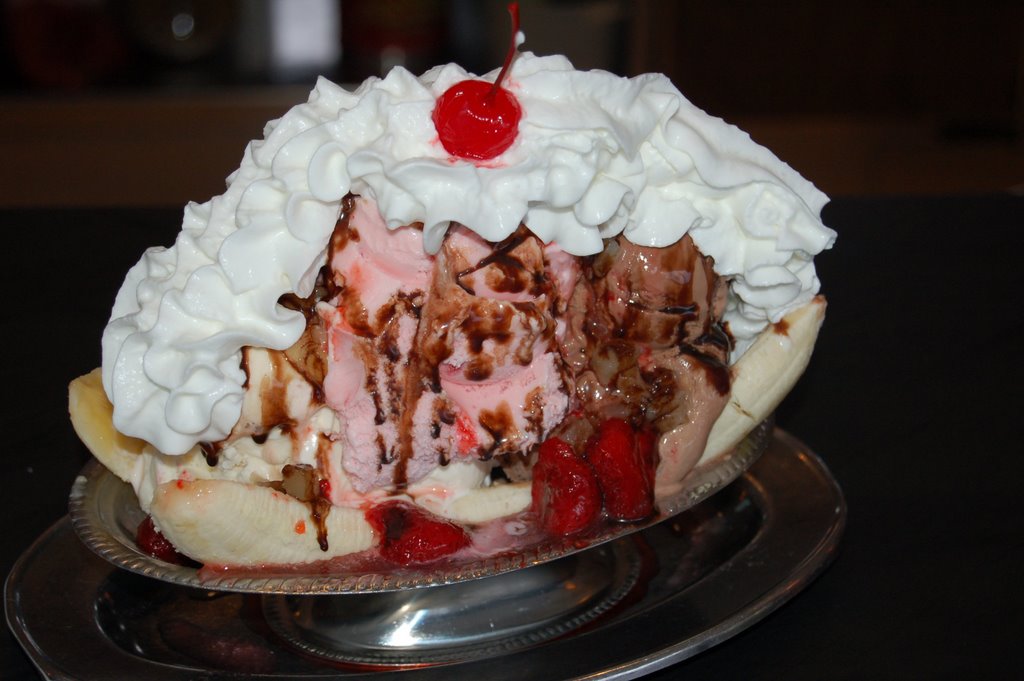 Banana splitVegetarian
🇺🇸 United StatesIce cream and toppings served over a split banana in a long dish
Sweet or dessert, Snacks
Banana splitVegetarian
🇺🇸 United StatesIce cream and toppings served over a split banana in a long dish
Sweet or dessert, Snacks
 Chocolate
🇨🇮 Ivory Coast and 5 moreA sweet or bitter food made from processed cocoa beans, enjoyed in many forms worldwide
Sweet or dessert, Snacks
Chocolate
🇨🇮 Ivory Coast and 5 moreA sweet or bitter food made from processed cocoa beans, enjoyed in many forms worldwide
Sweet or dessert, Snacks
 Ice cream
🇺🇸 United States and 5 moreA frozen dessert made from sweetened, flavoured milk or cream
Sweet or dessert, Snacks
Ice cream
🇺🇸 United States and 5 moreA frozen dessert made from sweetened, flavoured milk or cream
Sweet or dessert, Snacks
 Candy
🇺🇸 United States and 5 moreSmall sweet treats made mainly from sugar or sweeteners
Sweet or dessert, Snacks
Candy
🇺🇸 United States and 5 moreSmall sweet treats made mainly from sugar or sweeteners
Sweet or dessert, Snacks