
Wine
Alcoholic drink made by fermenting grape juice in many styles and colors
Wine is an alcoholic beverage created by fermenting grape juice, made in a wide range of styles and colors. It has been produced for thousands of years, with early traces found in Georgia, and is now enjoyed worldwide both on its own and with food.
- Earliest wine traces found in Georgia, c. 6000 BCE
- Made by fermenting grape juice with yeast
- Comes in red, white, rosé, sparkling, and other styles
- Alcohol content usually between 12.5% and 14.5%
- Glass bottles are the most common packaging
What is Wine?
Wine is a fermented drink made mainly from grape juice. Its color and style depend on the grape variety and how long the juice stays in contact with the skins. Red, white, rosé, orange, sparkling, dessert, and fortified wines are all made by varying the grapes, fermentation, and aging. The taste can range from dry to sweet, light to full-bodied, and may have fruity, floral, earthy, or spicy notes. Wine is usually clear and can be still or sparkling.
Where does Wine come from?
Wine's history stretches back over 8,000 years, with the oldest evidence found near Tbilisi, Georgia. Ancient winemaking spread through the Mediterranean, helped by the Phoenicians and Greeks. The Romans expanded its production and trade. In medieval Europe, monks preserved winemaking traditions, especially for religious rites. Colonists brought grapevines to the Americas, South Africa, and Australia from the 16th century onward. The 19th-century phylloxera pest devastated European vineyards, leading to grafting onto resistant American rootstock, a practice still used today.
How is Wine made?
Grapes are harvested, sorted, and crushed to release their juice. The juice is fermented by yeast, which turns the sugars into alcohol and carbon dioxide. For red wines, the juice ferments with the skins to extract color and tannins. White wines are usually pressed before fermentation to separate the juice from the skins. Some wines undergo a second fermentation to soften acidity. The wine is then clarified, sometimes filtered, and may be aged in tanks, barrels, or bottles before being sealed, most often in glass bottles with cork or screwcap.


How and when is Wine eaten?
Wine is enjoyed on its own or paired with food, often at social gatherings, restaurants, and celebrations. It is served in glasses, and the serving temperature may vary by style. Wine tasting is a common practice, with people describing its aroma, flavor, and texture. It is also collected and aged, sometimes as an investment. In many cultures, wine is part of religious rituals, weddings, and festivals.
Kinds of Wine
Wine comes in many forms: red, white, rosé, orange, sparkling, dessert, and fortified. Each style is made by changing the grape type, fermentation method, and aging process. Sparkling wines like Champagne are made with a second fermentation to create bubbles. Dessert wines are sweeter, often from late-harvest or dried grapes. Fortified wines have added spirits to increase alcohol content. Regional traditions and regulations shape the styles and names of wines around the world.
What Wine means
Wine has deep cultural roots, playing a part in religion, art, and social life for centuries. It is central to rituals in Christianity and Judaism and is a symbol of celebration in many societies. Wine regions often have protected names and strict rules to preserve their identity. Wine tourism, tasting events, and collecting are popular activities. The drink is also a subject of study and appreciation, with a rich vocabulary to describe its qualities.
Questions people ask about Wine
What is wine made from?
Wine is made by fermenting grape juice with yeast, which turns the sugars into alcohol. Most wine uses grapes from the Vitis vinifera species.
Where did wine originate?
The oldest known evidence of wine comes from Georgia, around 6000 BCE. Winemaking then spread across the Mediterranean and later to the rest of the world.
What are the main types of wine?
Wine is made in several styles, including red, white, rosé, orange, sparkling, dessert, and fortified. Each type depends on grape variety and production method.
How is wine usually served?
Wine is typically served in glasses, either chilled or at room temperature depending on the style. It can be enjoyed alone or with food, and is often part of social or festive occasions.
Is wine always alcoholic?
Yes, wine is an alcoholic drink, usually containing between 12.5% and 14.5% alcohol by volume. Its alcohol comes from the fermentation of grape sugars by yeast.
Good reading and sources
- Encyclopaedia BritannicaArticle
- 'World's oldest wine' found in 8,000-year-old jars in GeorgiaBBC, Article
- ‘We’re trying to make it more inclusive’: the rise of Britain’s new wine barsThe Guardian, Article
The facts on this page come from the Wikipedia article "Wine", written by its contributors and used under the CC BY-SA 4.0 licence, and from its Wikidata record (CC0). Thali rewrote the text in its own words, with AI assistance, and compares every page with the article to make sure no passage is copied. It may be reused under the same CC BY-SA 4.0 licence with a link back.
It may contain mistakes, and it is not dietary or allergy advice: recipes differ from cook to cook. If something is wrong, tell us. Last refreshed 2026-10-03.
More from Georgia
All the food of Georgia KompotVegan
🇵🇱 Poland and 5 moreSweet fruit drink made by simmering fresh or dried fruit in water
Drink
KhachapuriVegetarianხაჭაპური
🇬🇪 Georgia and 4 moreLeavened bread filled with cheese, sometimes egg, from Georgia
Bread, Breakfast, Lunch
KompotVegan
🇵🇱 Poland and 5 moreSweet fruit drink made by simmering fresh or dried fruit in water
Drink
KhachapuriVegetarianხაჭაპური
🇬🇪 Georgia and 4 moreLeavened bread filled with cheese, sometimes egg, from Georgia
Bread, Breakfast, Lunch
 Khinkaliხინკალი
🇬🇪 GeorgiaGeorgian dumplings with spiced meat or vegetable filling and a juicy broth inside
Dumpling, Lunch, Dinner
Khinkaliხინკალი
🇬🇪 GeorgiaGeorgian dumplings with spiced meat or vegetable filling and a juicy broth inside
Dumpling, Lunch, Dinner
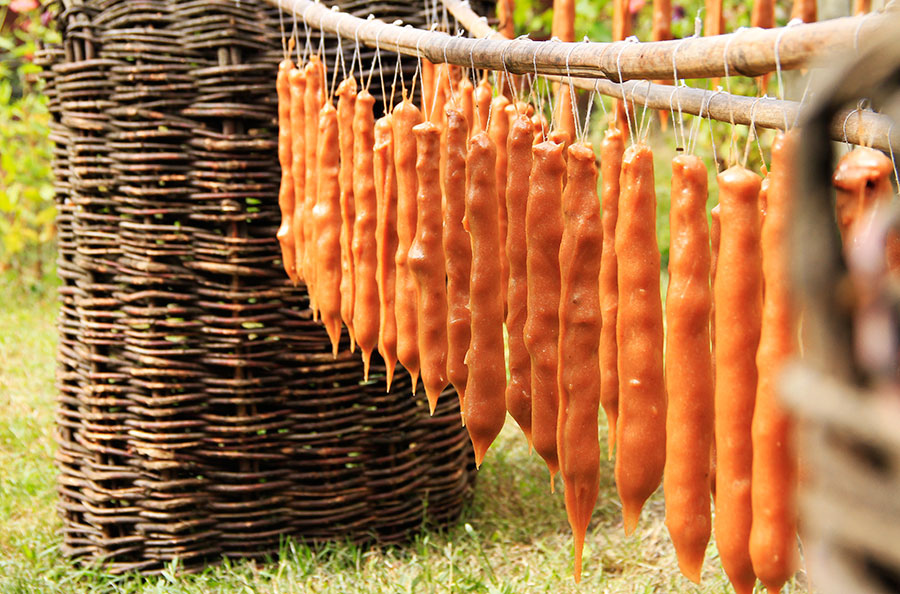 ChurchkhelaVegetarianჩურჩხელა
🇬🇪 GeorgiaCandle-shaped Georgian sweet made by dipping nuts in thickened grape juice
Sweet or dessert, Snacks
ChurchkhelaVegetarianჩურჩხელა
🇬🇪 GeorgiaCandle-shaped Georgian sweet made by dipping nuts in thickened grape juice
Sweet or dessert, Snacks
Its cousins elsewhere
All drinks ChampagneVegan
🇫🇷 FranceSparkling wine made only in France’s Champagne region using traditional bottle fermentation
Drink
ChampagneVegan
🇫🇷 FranceSparkling wine made only in France’s Champagne region using traditional bottle fermentation
Drink
 Port wineVeganvinho do Porto
🇵🇹 PortugalSweet, fortified wine from Portugal’s Douro Valley, aged in barrels or bottles
Drink, Tea time, Dinner
Port wineVeganvinho do Porto
🇵🇹 PortugalSweet, fortified wine from Portugal’s Douro Valley, aged in barrels or bottles
Drink, Tea time, Dinner
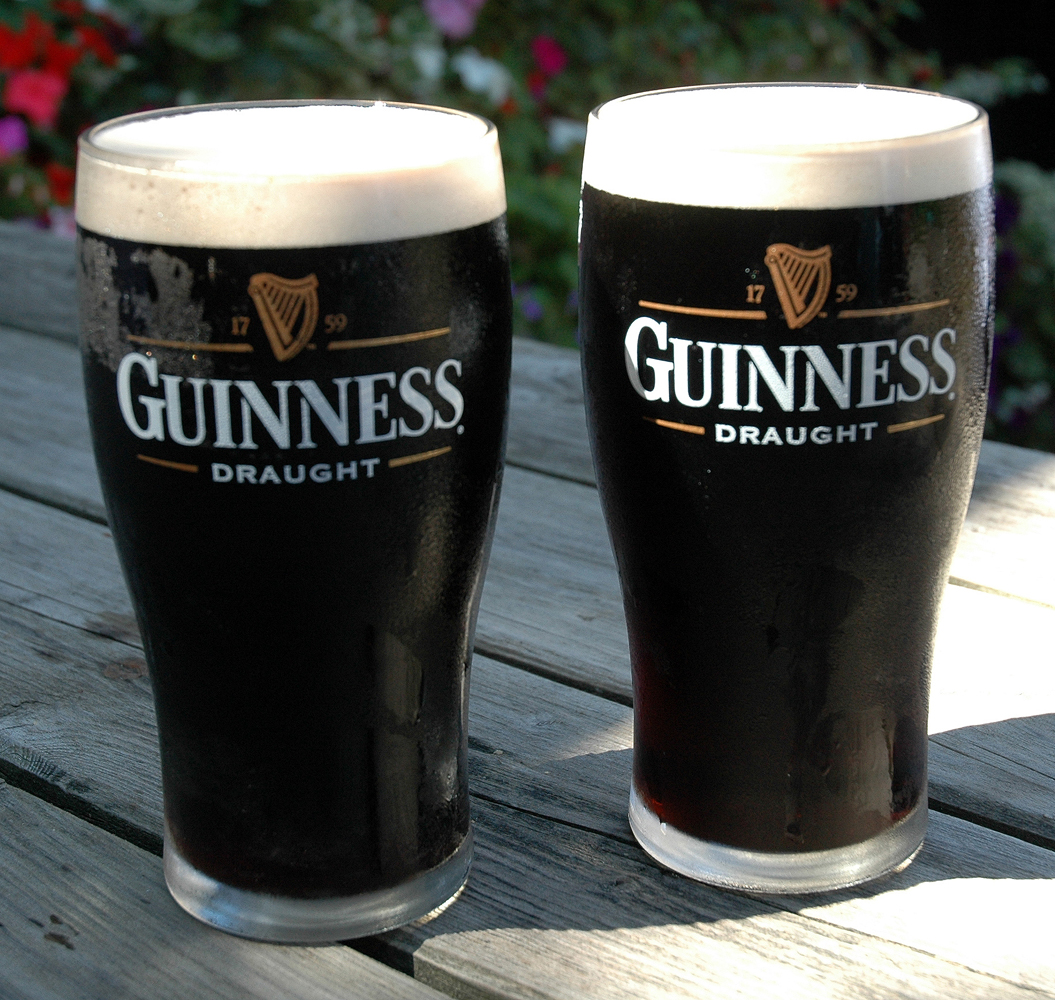 GuinnessVegan
🇮🇪 Ireland and 5 moreA dark Irish stout with a creamy head and dry, roasted flavour
Drink
GuinnessVegan
🇮🇪 Ireland and 5 moreA dark Irish stout with a creamy head and dry, roasted flavour
Drink
 Vinho VerdeVegan
🇵🇹 PortugalYoung, slightly sparkling wine from northern Portugal, mostly white and fresh
Drink
Vinho VerdeVegan
🇵🇹 PortugalYoung, slightly sparkling wine from northern Portugal, mostly white and fresh
Drink