Khanom sai bua
In its own language: ขนมสายบัว
Steamed Thai dessert made with lotus stem, coconut milk, and rice flour
Khanom sai bua is a traditional Thai sweet made by steaming a mixture of young lotus stem, rice flour, tapioca flour, and coconut milk. This dessert, once common along waterways in central Thailand, is now rare and found mainly in a few local markets. It is wrapped in banana leaves or steamed in small cups and topped with shredded coconut.
- Main ingredient is young lotus stem, giving a unique texture
- Traditionally wrapped in banana leaves or steamed in cups
- Now found mainly in Bang Phut and Hua Takhe near Bangkok
- Topped with shredded ripe coconut after steaming
What is Khanom sai bua?
Khanom sai bua is a steamed dessert from Thailand that uses young lotus stem as its main ingredient. The stem is either coarsely sliced or pounded, then mixed with rice and tapioca flours and thick coconut milk. The mixture is wrapped in banana leaves or placed in small ceramic cups, then steamed. Shredded ripe coconut is sprinkled on top. The dessert is known for its unique texture and the subtle aroma of lotus, which pairs with the coconut milk. It is not widely known and is considered difficult to find.
Where does Khanom sai bua come from?
This dessert comes from communities along waterways in central Thailand, where lotuses grow in abundance during the rainy season. Lotus stems are traditionally used in both religious offerings to the Buddha and in local cooking. Khanom sai bua was created in these areas, making use of the seasonal lotus stems. Today, it remains a local specialty, especially in places like Bang Phut and Hua Takhe, but is rarely found elsewhere.
How is Khanom sai bua made?
To prepare khanom sai bua, dried or fresh lotus stem is sliced or pounded and mixed with rice flour, tapioca flour, coconut milk, sugar, salt, and water. The mixture is either wrapped in banana leaves or spooned into small cups. It is then steamed until set. Once cooked, the dessert is topped with shredded ripe coconut before serving. The process gives it a soft, slightly chewy texture and a gentle, floral aroma.
How and when is Khanom sai bua eaten?
Khanom sai bua is eaten as a sweet treat, often enjoyed on ordinary days rather than for special occasions. It is typically served warm or hot, straight from the steamer. The dessert can be found in some local markets in central Thailand, especially in Bang Phut and Hua Takhe. It is sometimes compared to other steamed Thai sweets like pumpkin cake or banana cake, but its flavor is distinct due to the lotus stem.
Kinds of Khanom sai bua
While the core ingredients remain the same, khanom sai bua may be wrapped in banana leaves or steamed in small ceramic cups, depending on local custom. Some versions use white sugar, while others prefer palm sugar for a different sweetness. The use of lotus stem is central, but the texture may change based on whether the stem is sliced or pounded.
What Khanom sai bua means
Khanom sai bua reflects the use of local, seasonal ingredients in Thai cooking, especially in communities near waterways. Lotus stems are important in both religious and culinary traditions, used for worship and in various recipes. The dessert is now rare and mostly made in a few places, making it a specialty that connects to the region’s heritage and seasonal rhythms.
Questions people ask about Khanom sai bua
What is khanom sai bua made of?
It is made from young lotus stem, rice flour, tapioca flour, coconut milk, sugar, salt, water, and is topped with shredded coconut. The mixture is steamed, often wrapped in banana leaves.
Where does khanom sai bua come from?
Khanom sai bua comes from central Thailand, especially communities along waterways where lotus plants grow in the rainy season. It is now mainly found in Bang Phut and Hua Takhe.
How is khanom sai bua prepared?
Lotus stem is sliced or pounded and mixed with rice and tapioca flours, coconut milk, sugar, and salt. The mixture is wrapped in banana leaves or placed in cups, then steamed and topped with shredded coconut.
What does khanom sai bua taste like?
It has a unique texture from the lotus stem and a gentle, floral aroma that blends with the richness of coconut milk. Its taste is distinct from other Thai desserts.
Is khanom sai bua a common dessert in Thailand?
No, it is considered rare and hard to find. It is mainly produced and sold in a few places in central Thailand, such as Bang Phut and Hua Takhe.
Good reading and sources
The facts on this page come from the Wikipedia article "Khanom sai bua", written by its contributors and used under the CC BY-SA 4.0 licence, and from its Wikidata record (CC0). Thali rewrote the text in its own words, with AI assistance, and compares every page with the article to make sure no passage is copied. It may be reused under the same CC BY-SA 4.0 licence with a link back.
It may contain mistakes, and it is not dietary or allergy advice: recipes differ from cook to cook. If something is wrong, tell us. Last refreshed 2026-10-03.
More from Thailand
All the food of Thailand Thapthim kropVeganทับทิมกรอบ
🇹🇭 ThailandThai dessert of red water chestnut cubes in coconut milk and ice
Sweet or dessert, Snacks
Thapthim kropVeganทับทิมกรอบ
🇹🇭 ThailandThai dessert of red water chestnut cubes in coconut milk and ice
Sweet or dessert, Snacks
 Thingyan riceFish or seafoodသင်္ကြန်ထမင်း
🇲🇲 Myanmar and 1 moreRice in scented water, served cold with fried dried fish for the Burmese New Year
Main dish, Lunch, Dinner
Thingyan riceFish or seafoodသင်္ကြန်ထမင်း
🇲🇲 Myanmar and 1 moreRice in scented water, served cold with fried dried fish for the Burmese New Year
Main dish, Lunch, Dinner
 KabochaVeganカボチャ
🇯🇵 Japan and 5 moreA sweet, dense winter squash with edible skin, used in Japanese and Asian cooking
Main dish, Lunch, Dinner
KabochaVeganカボチャ
🇯🇵 Japan and 5 moreA sweet, dense winter squash with edible skin, used in Japanese and Asian cooking
Main dish, Lunch, Dinner
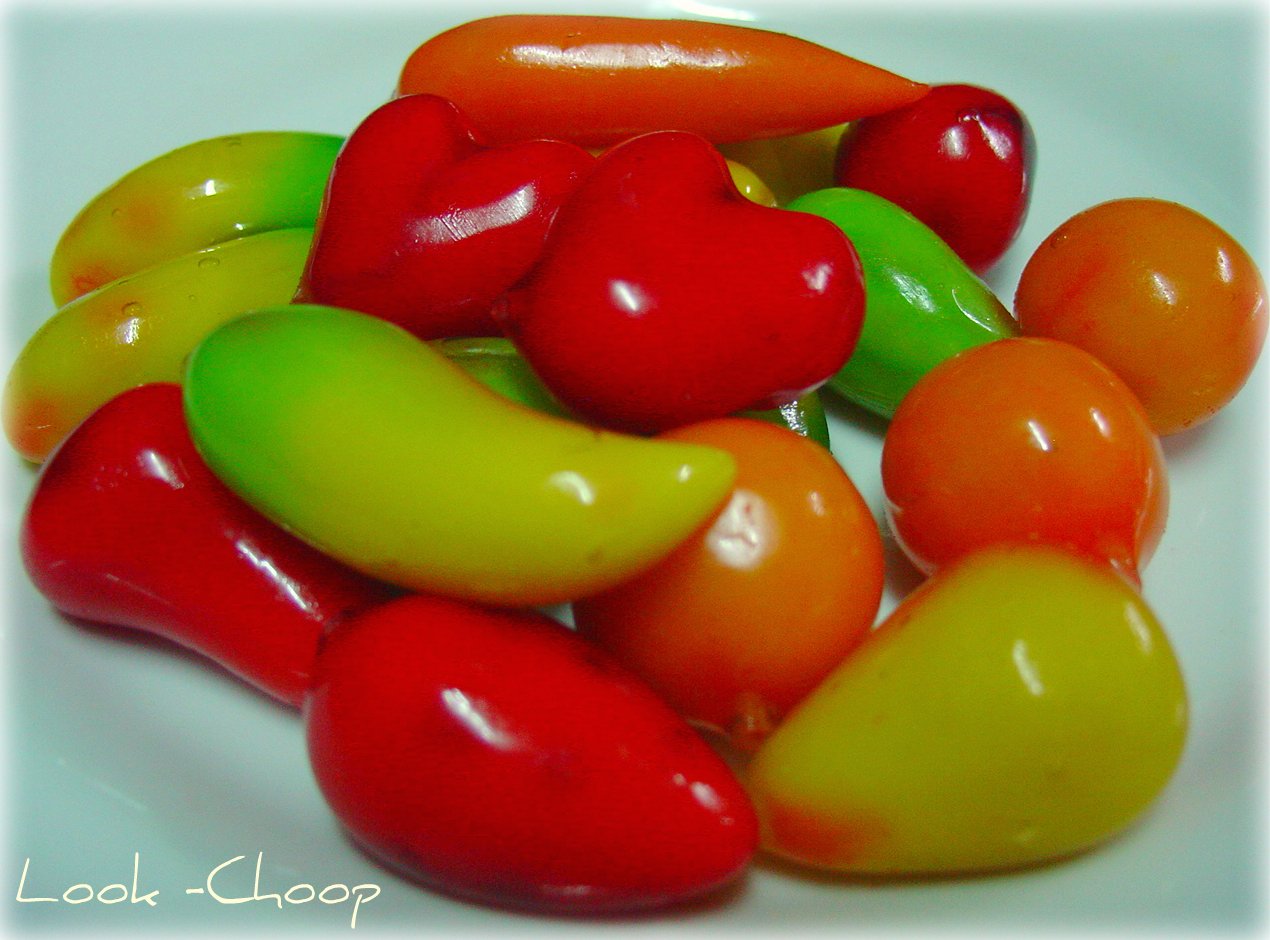 Luk chupVeganลูกชุบ
🇹🇭 ThailandThai sweets shaped and colored to look like tiny fruits and vegetables
Sweet or dessert, Snacks, Tea time
Luk chupVeganลูกชุบ
🇹🇭 ThailandThai sweets shaped and colored to look like tiny fruits and vegetables
Sweet or dessert, Snacks, Tea time
Its cousins elsewhere
All sweets and desserts Fry jackVegetarian
🇧🇿 BelizeDeep-fried breakfast dough from Belize, served plain or with sweet or savoury toppings
Bread, Breakfast
Fry jackVegetarian
🇧🇿 BelizeDeep-fried breakfast dough from Belize, served plain or with sweet or savoury toppings
Bread, Breakfast
 Churrochurros
🇪🇸 Spain and 5 moreRidged, deep-fried dough sticks often eaten hot with chocolate or coffee
Sweet or dessert, Breakfast, Snacks
Churrochurros
🇪🇸 Spain and 5 moreRidged, deep-fried dough sticks often eaten hot with chocolate or coffee
Sweet or dessert, Breakfast, Snacks
 BriocheVegetarianune brioche
🇫🇷 FranceFrench bread made with eggs and butter, often shaped in rounds or loaves
Bread, Breakfast, Snacks
BriocheVegetarianune brioche
🇫🇷 FranceFrench bread made with eggs and butter, often shaped in rounds or loaves
Bread, Breakfast, Snacks
 Tulumba
🇪🇬 Egypt and 5 moreDeep-fried batter sticks soaked in sweet syrup
Sweet or dessert, Snacks
Tulumba
🇪🇬 Egypt and 5 moreDeep-fried batter sticks soaked in sweet syrup
Sweet or dessert, Snacks