
Thingyan rice
In its own language: သင်္ကြန်ထမင်း
Rice in scented water, served cold with fried dried fish for the Burmese New Year
Thingyan rice is a Mon dish from Myanmar, made by soaking cooked rice in water scented with candle smoke and serving it cold with fried dried fish. It is prepared for Thingyan, the Burmese New Year festival, as a symbol of renewal and is shared among families and neighbors. A similar version is found in Thailand as Khao Chae.
- Eaten during the Thingyan (Burmese New Year) festival
- Rice is soaked in water scented with candle smoke
- Served cold with fried dried fish and mango
- Shared among neighbors as a New Year blessing
- A similar dish, Khao Chae, is served in Thailand
What is Thingyan rice?
Thingyan rice is a festive dish from the Mon people of Myanmar, made for the Thingyan New Year festival. Soft-cooked rice is chilled and then covered in water scented with candle smoke, giving it a delicate fragrance. It is served cold, often with a side called Thingyan Fried, which includes pieces of fried dried fish, green mango, onions, and dried shrimp. The dish is refreshing, mildly aromatic, and meant to cool and revive during the hot days of the festival.
Where does Thingyan rice come from?
The dish began with the Mon people in lower Myanmar and is closely tied to Thingyan, the Burmese New Year festival celebrated in mid-April. Its preparation and sharing are part of the festival’s customs, symbolizing renewal and community harmony. Over time, Thingyan rice was adopted into Central Thai cuisine as Khao Chae, where it is served during Songkran, the Thai New Year. Both versions reflect the importance of water and freshness during the hottest time of year.
How is Thingyan rice made?
Rice is first cooked until soft and then rinsed in cold water to remove excess starch, leaving it cool and clean. Candle-scented water is prepared by capturing candle smoke in a pot and then filtering water through a cloth into the pot, infusing the water with fragrance. The rice is submerged in this scented water before serving. The side dish, Thingyan Fried, is made by boiling and deboning dried fish, crushing it with dried shrimp, and frying it with onions, turmeric, fermented shrimp paste, and shredded green mango.
How and when is Thingyan rice eaten?
Thingyan rice is eaten during the Thingyan festival, often at lunch or dinner, and is shared among family and neighbors as a gesture of goodwill and blessing for the New Year. It is served cold, making it especially welcome in the heat. The dish is usually accompanied by Thingyan Fried, which adds savory and tangy flavors. In Thailand, the similar Khao Chae is also enjoyed during the Songkran festival.
Kinds of Thingyan rice
Some versions add vegetables like green beans or peas to the rice for extra texture. Others use coconut milk for a richer taste or scent the water with rose or jasmine instead of candle smoke. In Thailand, Khao Chae is considered part of royal cuisine and may include additional side dishes. These adaptations reflect local tastes and available ingredients.
What Thingyan rice means
Thingyan rice is more than food; it is a symbol of purity, renewal, and merit-making during the New Year. Sharing it is an act of community and blessing, reflecting the festival’s themes of spiritual cleansing and harmony. Its preparation in large quantities for neighbors is a tradition that strengthens social bonds. The dish’s association with Buddhist New Year festivals in both Myanmar and Thailand highlights its cultural and spiritual significance.
When Thingyan rice is on the table
Questions people ask about Thingyan rice
What is Thingyan rice made of?
Thingyan rice is made from soft-cooked rice soaked in water scented with candle smoke, and is served cold with fried dried fish, green mango, onions, dried shrimp, and fermented shrimp paste.
Where does Thingyan rice come from?
Thingyan rice began with the Mon people in lower Myanmar and is closely tied to the Thingyan New Year festival. It is also found in Thailand, where a similar dish is called Khao Chae.
When is Thingyan rice eaten?
It is prepared and eaten during Thingyan, the Burmese New Year festival, which usually falls in mid-April. In Thailand, the related Khao Chae is served during Songkran, the Thai New Year.
Why is the rice soaked in scented water?
The scented water, made by infusing candle smoke, gives the rice a delicate fragrance and makes it refreshing, which is especially welcome during the hot festival days.
Are there different versions of Thingyan rice?
Yes, some versions add vegetables or coconut milk, or use rose or jasmine water for scent. The Thai version, Khao Chae, is part of royal cuisine and may come with extra side dishes.
Good reading and sources
- Thingyan rice on WikipediaEncyclopedia
- More photos on Wikimedia CommonsPhotos
- Wikidata recordOpen data
The facts on this page come from the Wikipedia article "Thingyan rice", written by its contributors and used under the CC BY-SA 4.0 licence, and from its Wikidata record (CC0). Thali rewrote the text in its own words, with AI assistance, and compares every page with the article to make sure no passage is copied. It may be reused under the same CC BY-SA 4.0 licence with a link back.
It may contain mistakes, and it is not dietary or allergy advice: recipes differ from cook to cook. If something is wrong, tell us. Last refreshed 2026-10-03.
More from Myanmar
All the food of Myanmar Biryani
🇮🇳 India and 5 moreRice and spiced meat or vegetables layered and cooked together
Main dish, Lunch, Dinner
Biryani
🇮🇳 India and 5 moreRice and spiced meat or vegetables layered and cooked together
Main dish, Lunch, Dinner
 Nian gaoVegan年糕
🇨🇳 China and 5 moreSticky rice cake enjoyed at Chinese New Year for good luck
Sweet or dessert, Snacks
Nian gaoVegan年糕
🇨🇳 China and 5 moreSticky rice cake enjoyed at Chinese New Year for good luck
Sweet or dessert, Snacks
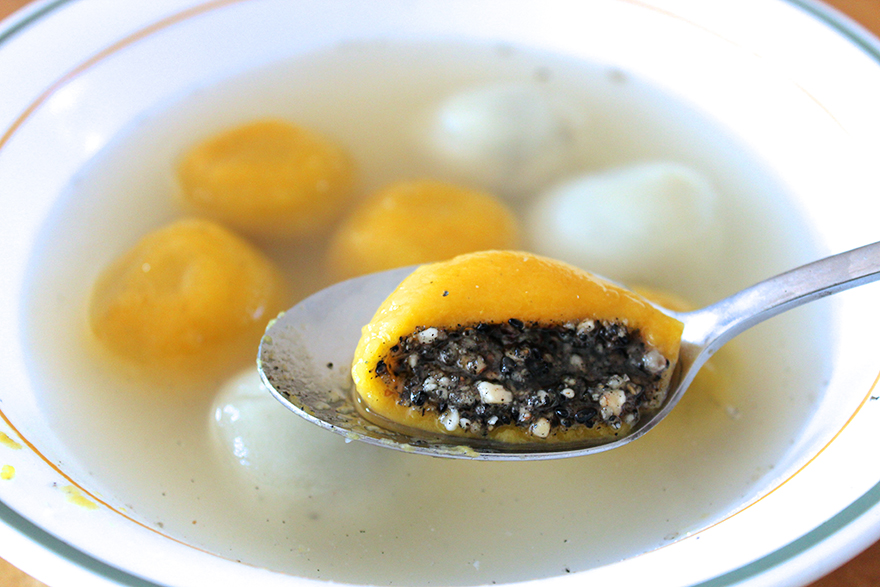 Tangyuan汤圆 / 湯圓
🇨🇳 China and 5 moreGlutinous rice balls, often filled, served in sweet or savory broth
Sweet or dessert, Snacks
Tangyuan汤圆 / 湯圓
🇨🇳 China and 5 moreGlutinous rice balls, often filled, served in sweet or savory broth
Sweet or dessert, Snacks
 MohingaFish or seafoodမုန့်ဟင်းခါး
🇲🇲 MyanmarRice noodle soup with fish broth, herbs, and crisp garnishes from Myanmar
Soup, Breakfast, Lunch
MohingaFish or seafoodမုန့်ဟင်းခါး
🇲🇲 MyanmarRice noodle soup with fish broth, herbs, and crisp garnishes from Myanmar
Soup, Breakfast, Lunch
Its cousins elsewhere
All main dishes Risotto
🇮🇹 ItalyCreamy Italian rice dish slowly cooked with broth and finished with cheese
Main dish, Lunch, Dinner
Risotto
🇮🇹 ItalyCreamy Italian rice dish slowly cooked with broth and finished with cheese
Main dish, Lunch, Dinner
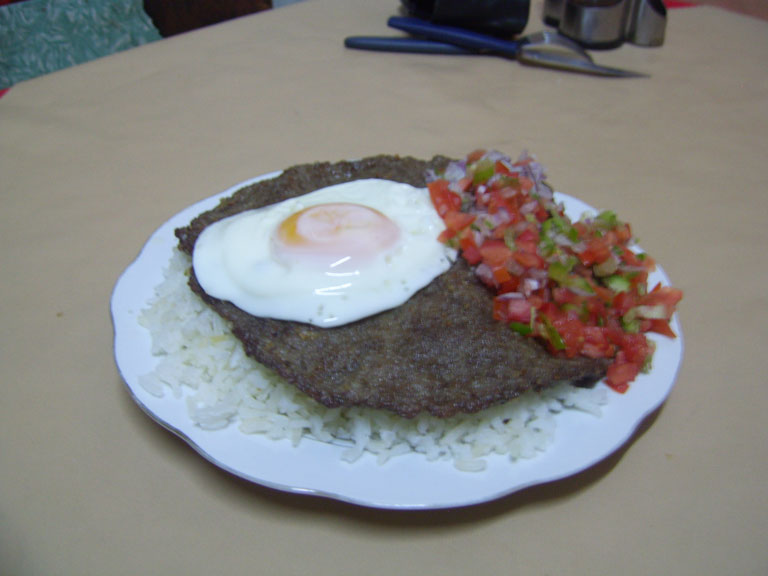 SilpanchoMeatSillp'anchu
🇧🇴 BoliviaLayered Bolivian meal with rice, potatoes, breaded meat, and fried eggs
Main dish, Lunch, Dinner
SilpanchoMeatSillp'anchu
🇧🇴 BoliviaLayered Bolivian meal with rice, potatoes, breaded meat, and fried eggs
Main dish, Lunch, Dinner
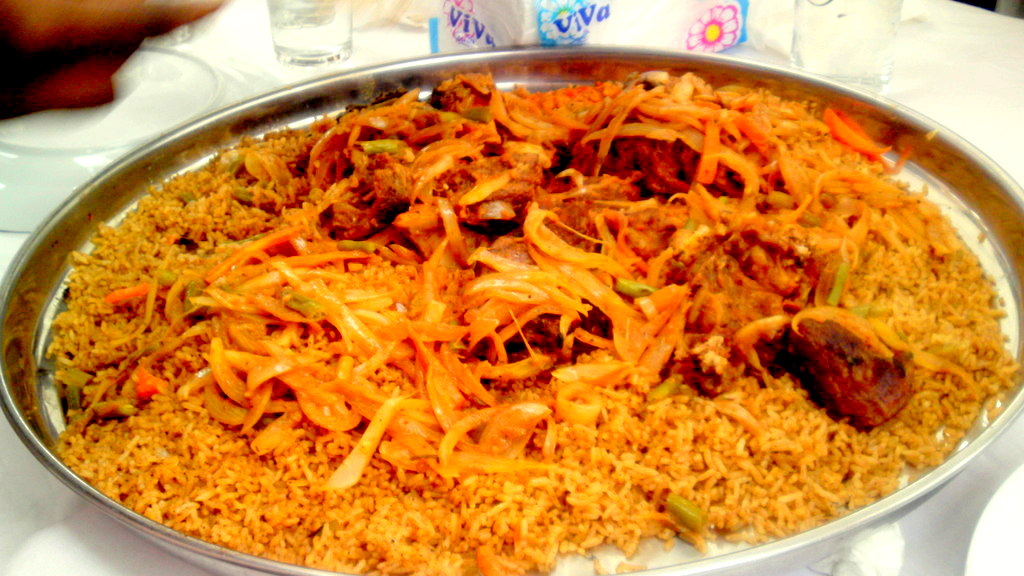 Riz grasMeat
🇧🇫 Burkina Faso and 4 moreWest African rice cooked with meat and vegetables, served hot
Main dish, Lunch, Dinner
Riz grasMeat
🇧🇫 Burkina Faso and 4 moreWest African rice cooked with meat and vegetables, served hot
Main dish, Lunch, Dinner