
Kulolo
Chewy Hawaiian pudding made from taro and coconut milk
Kulolo is a Hawaiian dessert pudding made from grated taro and coconut milk, often sweetened with sugar. It has a dense, chewy texture and a caramel-like flavor. Traditionally associated with the island of Kauai, kulolo is served at room temperature and appears at festive gatherings like lūʻau.
- Kulolo is made from taro and coconut milk
- It has a chewy, fudge-like texture
- Traditionally baked in ti leaves in an underground oven
- Often served at Hawaiian lūʻau feasts
- Associated with the island of Kauai
What is Kulolo?
Kulolo is a traditional Hawaiian sweet pudding made from grated taro root and coconut milk, sometimes with added sugar. The finished pudding is dense, chewy, and slightly sticky, with a texture similar to fudge or Southeast Asian dodol. Its taste is often compared to caramel or Chinese nian gao, with a mild earthiness from the taro and a rich coconut flavor. Kulolo is usually cut into squares or blocks for serving.
Where does Kulolo come from?
Kulolo comes from Hawaii, where taro has long been a staple crop, especially on the island of Kauai. The dish has been documented since at least the late 1800s, including by visitors like Robert Louis Stevenson. Its name is related to Polynesian words for coconut cream and spongy textures. Kulolo is part of a broader family of Hawaiian puddings made from starchy roots and coconut milk, once common at feasts and in daily life.
How is Kulolo made?
Traditionally, kulolo is made by grating taro and mixing it with coconut cream and sugar. The mixture is wrapped in ti leaves and baked slowly in an underground oven called an imu for several hours. Modern methods use baking pans in a regular oven or steaming in a pressure cooker. The result is a firm, chewy pudding that is cooled and sliced before serving.

How and when is Kulolo eaten?
Kulolo is served at room temperature, often as a dessert or snack. It is a familiar sight at Hawaiian lūʻau (feasts) and other festive gatherings, but it can also be enjoyed on ordinary days. Sometimes it appears as a filling in lumpia (spring rolls) or as a flavor in ice cream. Kulolo is typically eaten plain, cut into blocks or slices.
Kinds of Kulolo
Piele (or piepiele) is a related pudding made with similar methods, sometimes using sweet potato, breadfruit, yam, or banana instead of taro. Pepeieʻe is another variant, made from overripe banana or breadfruit and coconut milk. Kōʻelepālau is a similar dessert with sweet potato and coconut milk, but the coconut is added after cooking. Ready-made powdered kulolo mixes are also available.
What Kulolo means
Kulolo is closely tied to Hawaiian identity and is especially associated with Kauai due to its taro production. It remains a beloved treat at lūʻau and other celebrations. While some related puddings have faded from popularity, kulolo continues to be made and enjoyed, both in traditional ways and with modern shortcuts. Its presence in local desserts and even as a filling or flavor shows its ongoing role in Hawaiian food culture.
Questions people ask about Kulolo
What is kulolo made of?
Kulolo is made from grated taro root, coconut milk, and sugar. The mixture is baked or steamed until it becomes a dense, chewy pudding.
Where does kulolo come from?
Kulolo is a traditional dessert from Hawaii, especially linked to the island of Kauai, where taro is widely grown.
What does kulolo taste and feel like?
Kulolo has a chewy, solid texture similar to fudge or dodol, and its flavor is often compared to caramel or nian gao, with earthy notes from taro and richness from coconut.
How is kulolo traditionally prepared?
The traditional method involves mixing grated taro and coconut cream, wrapping the mixture in ti leaves, and baking it in an underground oven called an imu for several hours.
When is kulolo usually eaten?
Kulolo is commonly served at room temperature as a dessert or snack, especially at Hawaiian lūʻau and festive occasions, but it is also enjoyed on ordinary days.
Good reading and sources
The facts on this page come from the Wikipedia article "Kūlolo", written by its contributors and used under the CC BY-SA 4.0 licence, and from its Wikidata record (CC0). Thali rewrote the text in its own words, with AI assistance, and compares every page with the article to make sure no passage is copied. It may be reused under the same CC BY-SA 4.0 licence with a link back.
It may contain mistakes, and it is not dietary or allergy advice: recipes differ from cook to cook. If something is wrong, tell us. Last refreshed 2026-10-03.
More from the United States
All the food of the United States Ice cream
🇺🇸 United States and 5 moreA frozen dessert made from sweetened, flavoured milk or cream
Sweet or dessert, Snacks
Ice cream
🇺🇸 United States and 5 moreA frozen dessert made from sweetened, flavoured milk or cream
Sweet or dessert, Snacks
 Candy
🇺🇸 United States and 5 moreSmall sweet treats made mainly from sugar or sweeteners
Sweet or dessert, Snacks
Candy
🇺🇸 United States and 5 moreSmall sweet treats made mainly from sugar or sweeteners
Sweet or dessert, Snacks
 Doughnut
🇺🇸 United States and 5 moreSweet fried or baked rings or balls, often glazed or filled
Sweet or dessert, Breakfast, Snacks
Doughnut
🇺🇸 United States and 5 moreSweet fried or baked rings or balls, often glazed or filled
Sweet or dessert, Breakfast, Snacks
 Hot chocolate
🇲🇽 Mexico and 5 moreA warm drink made from chocolate or cocoa, milk or water, and sugar
Drink, Breakfast, Snacks
Hot chocolate
🇲🇽 Mexico and 5 moreA warm drink made from chocolate or cocoa, milk or water, and sugar
Drink, Breakfast, Snacks
Its cousins elsewhere
All sweets and desserts Khanom mo kaengขนมหม้อแกง
🇹🇭 ThailandThai dessert custard made with coconut milk, eggs and sweetened starch
Sweet or dessert
Khanom mo kaengขนมหม้อแกง
🇹🇭 ThailandThai dessert custard made with coconut milk, eggs and sweetened starch
Sweet or dessert
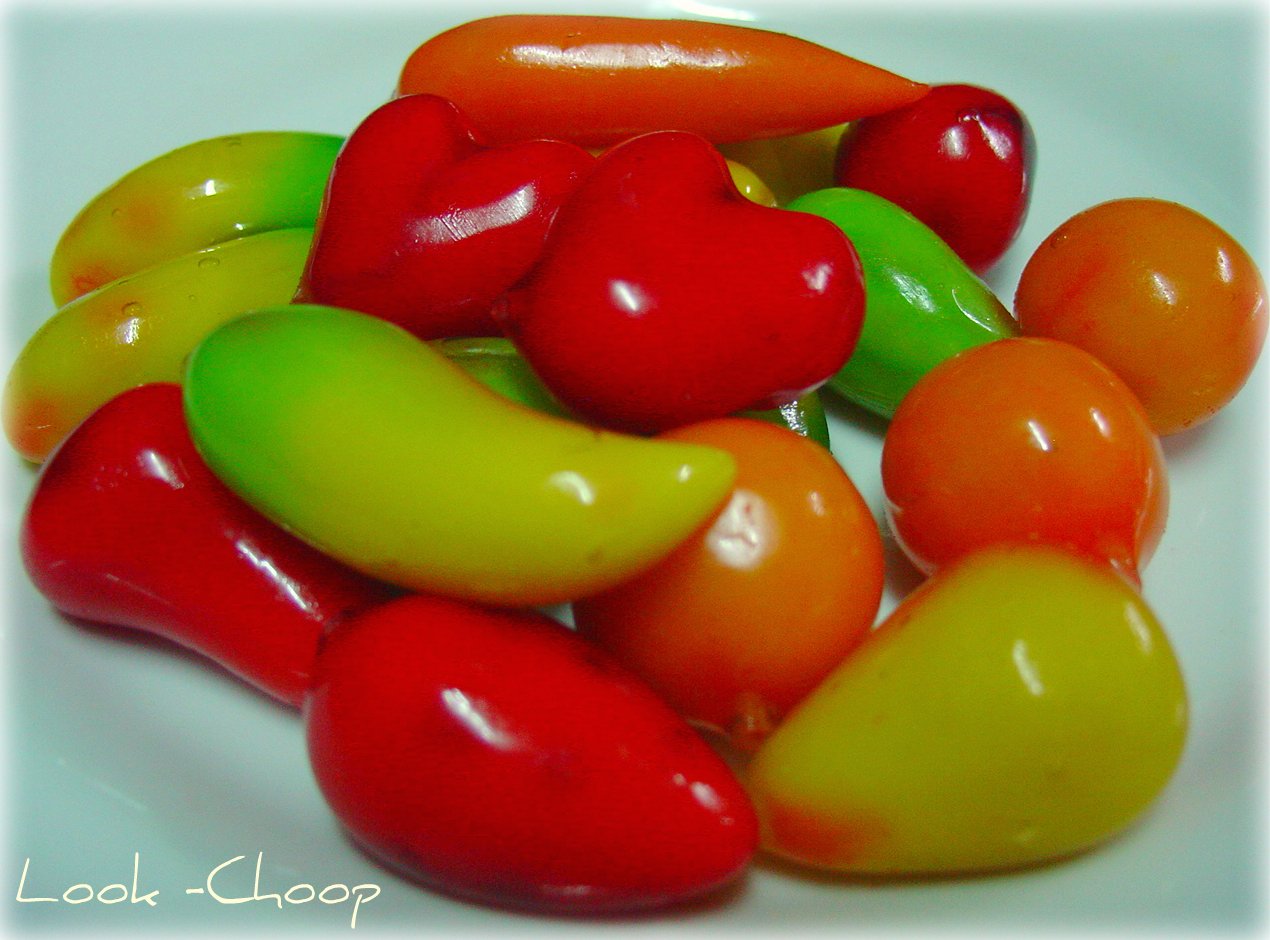 Luk chupVeganลูกชุบ
🇹🇭 ThailandThai sweets shaped and colored to look like tiny fruits and vegetables
Sweet or dessert, Snacks, Tea time
Luk chupVeganลูกชุบ
🇹🇭 ThailandThai sweets shaped and colored to look like tiny fruits and vegetables
Sweet or dessert, Snacks, Tea time
 Khanom krokVegetarianขนมครก
🇹🇭 ThailandThai coconut milk and rice flour pancakes cooked in a dimpled pan
Sweet or dessert, Snacks
Khanom krokVegetarianขนมครก
🇹🇭 ThailandThai coconut milk and rice flour pancakes cooked in a dimpled pan
Sweet or dessert, Snacks
 BebincaVegetarian
🇮🇳 IndiaGoan layer cake made with coconut milk, ghee, egg yolk, flour and sugar
Sweet or dessert
BebincaVegetarian
🇮🇳 IndiaGoan layer cake made with coconut milk, ghee, egg yolk, flour and sugar
Sweet or dessert