Ladob
Seychellois dish of plantain, sweet potato and coconut milk, sweet or savory
Ladob is a staple dish from Seychelles made with plantain or sweet potato, simmered in coconut milk. It can be sweet, with sugar and spices, or savory, often including salted fish. Once a food of early settlers, it remains popular and is eaten several times a week, served hot or cold.
- Ladob can be sweet or savory
- Made with plantain, sweet potato, and coconut milk
- A staple food in Seychelles
- Served hot or cold
What is Ladob?
Ladob is a dish from Seychelles made with plantains or sweet potatoes, sometimes cassava, breadfruit, or corossol (soursop). The sweet version is cooked with coconut milk, sugar, nutmeg, and vanilla, creating a creamy, fragrant sauce around the softened fruit. The savory version uses salted fish and omits sugar and vanilla, with salt as the main seasoning. Ladob can be served hot or cold, and its texture is soft, with the coconut milk giving it a rich, smooth feel.
Where does Ladob come from?
Ladob was first eaten by early settlers in Seychelles, who relied on ingredients that were easy to find on the islands. The abundance of plantains, sweet potatoes, and coconut milk made it a common meal. Over time, Ladob became a staple in Seychellois cooking, eaten frequently by locals. Its flexibility, using whatever starchy fruits or roots are available, reflects the resourcefulness of island life.
How is Ladob made?
To make Ladob, ripe plantain or sweet potato is peeled and cut, then simmered in coconut milk. For the sweet version, sugar, nutmeg, and a vanilla pod are added, and the mixture cooks until the fruit is soft and the sauce thickens. The savory version uses salted fish and replaces sugar with salt, leaving out the vanilla. Cassava or breadfruit may be included in either version. The dish is cooked until everything is tender and the coconut milk forms a creamy sauce.
How and when is Ladob eaten?
Ladob is eaten as both a main dish and a dessert in Seychelles. It is a regular part of the local diet, enjoyed several times a week by many families. The sweet version is often served as a dessert or snack, while the savory version can be a main meal, especially when made with salted fish. Ladob can be eaten hot, straight from the pot, or cold, depending on preference and the weather.
Kinds of Ladob
Ladob varies by what is available and personal taste. The sweet version may include cassava, breadfruit, or corossol along with plantain and sweet potato. The savory version is most often made with salted fish, but the mix of starchy ingredients can change. Some cooks use more or less spice, and the dish can be made richer or lighter by adjusting the amount of coconut milk.
What Ladob means
Ladob is a staple of Seychellois home cooking, reflecting the islands’ reliance on local produce. Once a necessity for early settlers, it remains a comfort food and a symbol of everyday life in Seychelles. Its versatility and simplicity make it a dish that connects generations, with each family having its own way of preparing it.
Questions people ask about Ladob
What is Ladob made of?
Ladob is made from plantain or sweet potato, cooked in coconut milk. The sweet version uses sugar, nutmeg, and vanilla, while the savory version includes salted fish and salt instead of sugar and vanilla.
Where does Ladob come from?
Ladob comes from Seychelles, where it has long been a staple dish, first eaten by early settlers who used ingredients that were easy to find on the islands.
Is Ladob eaten hot or cold?
Ladob can be served either hot or cold, depending on personal preference and the occasion.
Is Ladob always sweet?
No, Ladob can be either sweet or savory. The sweet version uses sugar and spices, while the savory version is made with salted fish and does not include sugar or vanilla.
How often is Ladob eaten in Seychelles?
Ladob is a staple food in Seychelles and is eaten several times a week by many people.
Good reading and sources
The facts on this page come from the Wikipedia article "Ladob", written by its contributors and used under the CC BY-SA 4.0 licence, and from its Wikidata record (CC0). Thali rewrote the text in its own words, with AI assistance, and compares every page with the article to make sure no passage is copied. It may be reused under the same CC BY-SA 4.0 licence with a link back.
It may contain mistakes, and it is not dietary or allergy advice: recipes differ from cook to cook. If something is wrong, tell us. Last refreshed 2026-10-03.
Its cousins elsewhere
All main dishes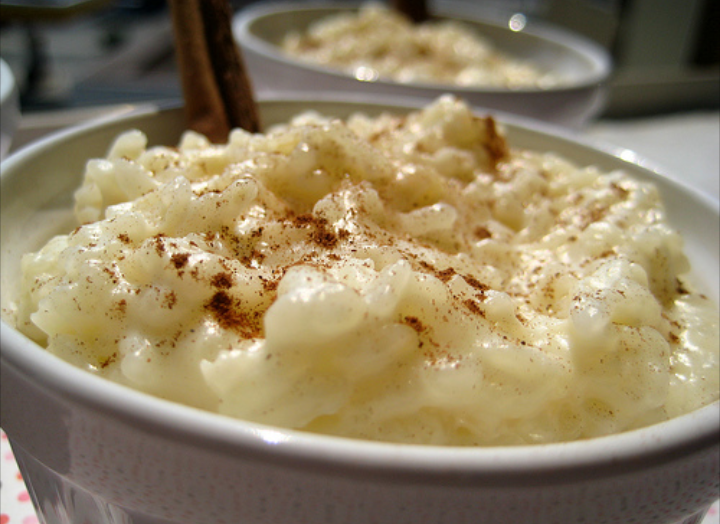 Rice pudding
🇮🇳 India and 4 moreSweetened rice cooked in milk, found in many forms worldwide
Sweet or dessert, Breakfast, Lunch
Rice pudding
🇮🇳 India and 4 moreSweetened rice cooked in milk, found in many forms worldwide
Sweet or dessert, Breakfast, Lunch
 BreadfruitVegan
🇵🇭 Philippines and 4 moreLarge tropical fruit cooked as a starchy staple in many island cuisines
Main dish, Lunch, Dinner
BreadfruitVegan
🇵🇭 Philippines and 4 moreLarge tropical fruit cooked as a starchy staple in many island cuisines
Main dish, Lunch, Dinner
 AppamVeganஅப்பம்
🇮🇳 India and 1 moreFermented rice and coconut milk pancake from South India and Sri Lanka
Bread, Breakfast, Dinner
AppamVeganஅப்பம்
🇮🇳 India and 1 moreFermented rice and coconut milk pancake from South India and Sri Lanka
Bread, Breakfast, Dinner
 Red curryแกงเผ็ด
🇹🇭 ThailandA Thai curry of meat or tofu in coconut milk with a spicy red paste
Main dish, Lunch, Dinner
Red curryแกงเผ็ด
🇹🇭 ThailandA Thai curry of meat or tofu in coconut milk with a spicy red paste
Main dish, Lunch, Dinner