
Pączki
Polish round doughnuts with sweet fillings, enjoyed before Lent
Pączki are round, deep-fried pastries from Poland, filled with fruit preserves or sweet creams. Their dough is rich with eggs, yeast, and sugar, often with a splash of spirit to keep them light. Traditionally eaten before Lent, they are especially popular on Fat Thursday and in Polish communities abroad.
- Eaten in Poland since the Middle Ages
- Traditionally filled with plum or wild rose jam
- Popular on Fat Thursday and Fat Tuesday
- Dough often includes a splash of spirit
- Known for a pale ring around the middle
What is Pączki?
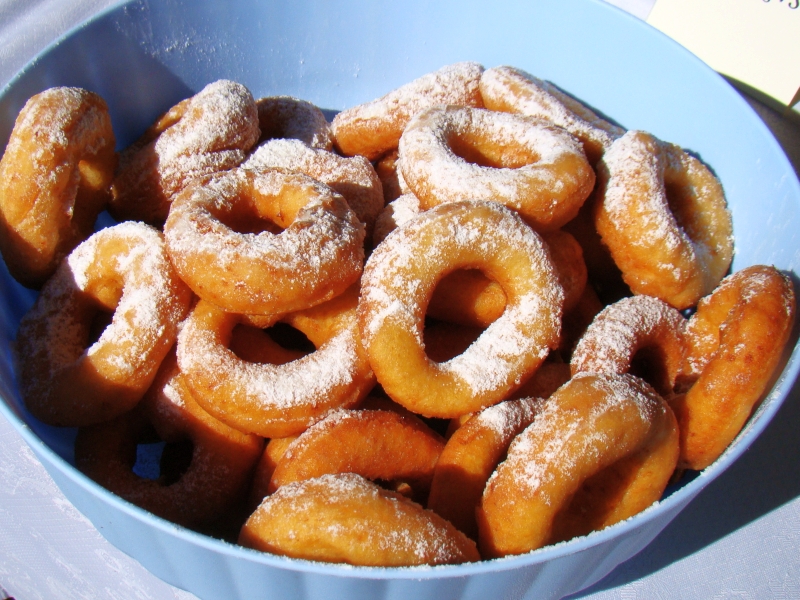
Pączki are Polish doughnuts shaped into plump, round balls and filled with sweet jams or creams. The dough is made with eggs, sugar, yeast, and sometimes milk, making it especially soft and rich. After frying, they are often finished with a dusting of sugar or a shiny glaze. Traditional fillings include plum or wild rose jam, but other flavors like custard, raspberry, and apple are also common. Pączki are known for their fluffy texture and a pale ring around the middle, a sign of proper frying.
Where does Pączki come from?
These pastries have been part of Polish cooking since at least the Middle Ages. Their dough was made lighter and more airy in the 18th century, influenced by French chefs who worked in Poland. The name comes from a word meaning 'bud', referring to their round, swollen shape. Over time, pączki became a special treat eaten before Lent, when rich foods were set aside for fasting.
How is Pączki made?
To make pączki, a dough is prepared with flour, eggs, yeast, sugar, and sometimes milk, then enriched with a bit of spirit to help prevent oiliness. The dough is shaped into balls, filled with jam or cream, and left to rise. They are then deep-fried until golden and topped with sugar or glaze. The spirit in the dough evaporates during frying, helping keep the inside light.



How and when is Pączki eaten?
Pączki are most often enjoyed as a treat before Lent, especially on Fat Thursday in Poland and on Fat Tuesday in Polish-American communities. Bakeries fill with customers eager to buy them fresh. They are eaten as snacks or with coffee, sometimes as part of festive gatherings or even eating contests. While they can be found year-round, their main season is just before Lent begins.
Kinds of Pączki
While the classic pączek is filled with plum or wild rose jam, many other fillings are now used, such as custard, strawberry, blueberry, and apple. Some versions are topped with sugar, others with a simple glaze. In different regions and among Polish communities abroad, the choice of filling and topping may vary, but the basic shape and method remain the same.
What Pączki means
Pączki hold a special place in Polish tradition, marking the last chance to enjoy rich foods before Lent. In Poland, Fat Thursday is the main day for eating them, while in North America, Polish communities celebrate on Fat Tuesday with parades, parties, and even eating competitions. The pastry is a symbol of celebration and is closely tied to both religious and cultural customs.
When Pączki is on the table
Questions people ask about Pączki
What are pączki made of?
Pączki are made from a rich dough with flour, eggs, yeast, sugar, and sometimes milk. They are filled with sweet jams or creams, such as plum, wild rose, or custard, and fried until golden.
Where do pączki come from?
Pączki are a traditional pastry from Poland, with a history going back to at least the Middle Ages. They are also popular in Polish communities in North America.
When are pączki usually eaten?
They are especially enjoyed before Lent, on Fat Thursday in Poland and on Fat Tuesday in Polish-American communities. This marks the last chance to eat rich foods before the fasting season.
What fillings are traditional in pączki?
Classic fillings include stewed plum jam and wild rose petal jam. Other popular options are custard, raspberry, apple, and blueberry.
How are pączki different from other doughnuts?
Pączki use a particularly rich dough with eggs and sometimes a bit of spirit, which helps keep them light inside. They are filled before frying and are known for their fluffy texture and pale ring.
Good reading and sources
The facts on this page come from the Wikipedia article "Pączki", written by its contributors and used under the CC BY-SA 4.0 licence, and from its Wikidata record (CC0). Thali rewrote the text in its own words, with AI assistance, and compares every page with the article to make sure no passage is copied. It may be reused under the same CC BY-SA 4.0 licence with a link back.
It may contain mistakes, and it is not dietary or allergy advice: recipes differ from cook to cook. If something is wrong, tell us. Last refreshed 2026-10-03.
More from Poland
All the food of Poland CroissantVegetarian
🇫🇷 France and 5 moreA crescent-shaped, flaky pastry made from layered yeast dough and butter
Pie or savoury pastry, Breakfast, Tea time
CroissantVegetarian
🇫🇷 France and 5 moreA crescent-shaped, flaky pastry made from layered yeast dough and butter
Pie or savoury pastry, Breakfast, Tea time
 Pancake
🇺🇸 United States and 5 moreFlat cakes made from batter, cooked on a griddle or pan and served sweet or savoury
Main dish, Breakfast, Snacks
Pancake
🇺🇸 United States and 5 moreFlat cakes made from batter, cooked on a griddle or pan and served sweet or savoury
Main dish, Breakfast, Snacks
 Apple pieVegetarian
🇬🇧 United Kingdom and 5 moreA baked pie with apple filling and pastry crust, served hot or cold
Sweet or dessert, Snacks
Apple pieVegetarian
🇬🇧 United Kingdom and 5 moreA baked pie with apple filling and pastry crust, served hot or cold
Sweet or dessert, Snacks
Its cousins elsewhere
All pies and savoury pastries Pumpkin pieVegetarian
🇺🇸 United States and 1 moreSweet pie with spiced pumpkin custard in a pastry shell, served for autumn holidays
Sweet or dessert
Pumpkin pieVegetarian
🇺🇸 United States and 1 moreSweet pie with spiced pumpkin custard in a pastry shell, served for autumn holidays
Sweet or dessert
 Egg tartVegetarian蛋撻
🇨🇳 China and 5 moreA small pastry tart with a sweet egg custard filling, found in Cantonese cuisine
Pie or savoury pastry, Snacks, Tea time
Egg tartVegetarian蛋撻
🇨🇳 China and 5 moreA small pastry tart with a sweet egg custard filling, found in Cantonese cuisine
Pie or savoury pastry, Snacks, Tea time
 MarquesitaVegetarian
🇲🇽 MexicoCrisp rolled crepe from Yucatán with sweet and salty fillings
Sweet or dessert, Snacks
Halvaحَلَاوَة
🇮🇷 Iran and 5 moreDense sweet made from seeds, grains, or vegetables, found across Asia, Africa, and Europe
Sweet or dessert, Snacks, Tea time
MarquesitaVegetarian
🇲🇽 MexicoCrisp rolled crepe from Yucatán with sweet and salty fillings
Sweet or dessert, Snacks
Halvaحَلَاوَة
🇮🇷 Iran and 5 moreDense sweet made from seeds, grains, or vegetables, found across Asia, Africa, and Europe
Sweet or dessert, Snacks, Tea time