
Pancake
Flat cakes made from batter, cooked on a griddle or pan and served sweet or savoury
A pancake is a round, flat cake made from a batter of flour, eggs, milk, and sometimes butter, cooked on a hot surface like a griddle or frying pan. Pancakes appear in many cuisines, with thickness, ingredients, and toppings varying widely. In North America, they are often eaten for breakfast, while in Britain, they are linked to Shrove Tuesday.
- Pancakes can be thin or thick, sweet or savoury
- In North America, pancakes are a classic breakfast food
- British pancakes are linked to Shrove Tuesday, or Pancake Day
- French crêpes are a famous thin pancake variety
- Pancakes are made from a batter of flour, eggs, and milk
What is Pancake?
Pancakes are flat, round cakes made from a batter of flour, eggs, milk, and sometimes butter or oil. The batter is poured onto a hot griddle or frying pan, forming a thin or thick cake depending on the recipe. Pancakes can be served plain, with sweet toppings like honey, syrup, or fruit, or filled with savoury ingredients such as cheese or vegetables. Their texture ranges from thin and soft to thick and fluffy, and they can be enjoyed at any meal.
Where does Pancake come from?
Pancakes have ancient roots, with evidence suggesting they were eaten in prehistoric times. The Ancient Greeks made early versions called tagenites, using wheat flour, olive oil, honey, and curdled milk. Romans had their own sweet fried cakes. The word 'pancake' appeared in English in the 15th century. Over time, pancakes have developed into many regional forms, each with its own traditions and ingredients.
How is Pancake made?
To make pancakes, a batter is mixed from flour, eggs, milk, and sometimes butter or oil. The batter is poured onto a hot, greased surface such as a griddle or frying pan. Depending on the region, a leavening agent like baking powder may be added for fluffiness. Pancakes are cooked on one or both sides until golden. They can be served immediately, stacked, or filled and rolled.


How and when is Pancake eaten?
Pancakes are eaten in many ways around the world. In North America, they are a common breakfast, often with syrup or fruit. In Britain, they are traditionally made for Shrove Tuesday to use up rich foods before Lent. Elsewhere, pancakes may be eaten as snacks, desserts, or main dishes, with a wide range of toppings and fillings, both sweet and savoury. They can be part of everyday meals or special occasions.
Kinds of Pancake
Pancake styles vary widely. English pancakes are thin and unleavened, while American and Scottish versions are thick and fluffy. French crêpes are very thin and often filled. Southeast Europe has palatschinke, filled with sweet or savoury mixtures. There are also buckwheat, potato, and banana pancakes, as well as versions using rice or other grains. Each region adapts the basic idea to local tastes and ingredients.
What Pancake means
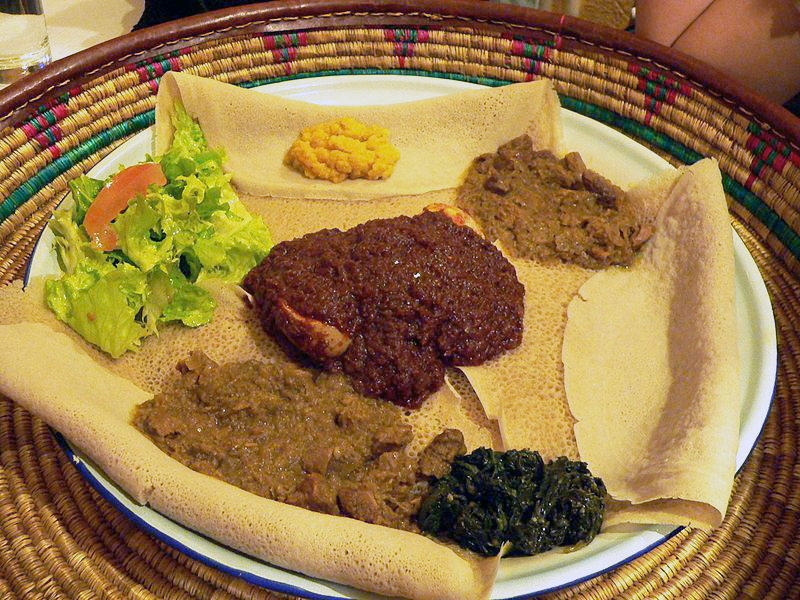
Pancakes are tied to customs and festivals in many places. In Britain and Commonwealth countries, they are linked to Shrove Tuesday, marking the start of Lent. In Ethiopia and Eritrea, injera, a type of pancake, is a staple food. Pancakes can be found at fairs, religious events, and family gatherings. Commercial mixes and frozen pancakes are widely available, showing their popularity in modern life.
When Pancake is on the table
Questions people ask about Pancake
What are pancakes made of?
Pancakes are made from a batter that usually includes flour, eggs, milk, and sometimes butter or oil. Some recipes add baking powder for fluffiness or use other grains like buckwheat or potato.
Where do pancakes come from?
Pancakes have ancient origins, with versions found in Ancient Greece and Rome. Today, they are part of many cuisines, including American, British, French, Russian, Polish, and Austrian.
How are pancakes served?
Pancakes can be served plain or with a wide range of toppings and fillings. Sweet options include honey, syrup, or fruit, while savoury versions may have cheese, vegetables, or meats.
Are pancakes always eaten for breakfast?
No, while pancakes are a traditional breakfast food in North America, in other countries they may be eaten as snacks, desserts, or main dishes, and at any time of day.
What are some popular pancake variations?
Popular variations include thin English pancakes, fluffy American pancakes, French crêpes, buckwheat pancakes, potato pancakes, and filled pancakes like palatschinke.
Good reading and sources
The facts on this page come from the Wikipedia article "Pancake", written by its contributors and used under the CC BY-SA 4.0 licence, and from its Wikidata record (CC0). Thali rewrote the text in its own words, with AI assistance, and compares every page with the article to make sure no passage is copied. It may be reused under the same CC BY-SA 4.0 licence with a link back.
It may contain mistakes, and it is not dietary or allergy advice: recipes differ from cook to cook. If something is wrong, tell us. Last refreshed 2026-10-03.
More from the United States
All the food of the United States Pizza
🇮🇹 Italy and 4 moreFlatbread topped with tomato, cheese and baked at high heat
Main dish, Lunch, Dinner
Pizza
🇮🇹 Italy and 4 moreFlatbread topped with tomato, cheese and baked at high heat
Main dish, Lunch, Dinner
 Ice cream
🇺🇸 United States and 5 moreA frozen dessert made from sweetened, flavoured milk or cream
Sweet or dessert, Snacks
Ice cream
🇺🇸 United States and 5 moreA frozen dessert made from sweetened, flavoured milk or cream
Sweet or dessert, Snacks
 HamburgerMeat
🇺🇸 United States and 1 moreA hot ground meat patty in a sliced bun, often with salad and sauces
Main dish, Lunch, Dinner
HamburgerMeat
🇺🇸 United States and 1 moreA hot ground meat patty in a sliced bun, often with salad and sauces
Main dish, Lunch, Dinner
 French friesVeganpommes frites
🇫🇷 France and 5 moreDeep-fried strips of potato, served hot and salted
Street food, Lunch, Dinner
French friesVeganpommes frites
🇫🇷 France and 5 moreDeep-fried strips of potato, served hot and salted
Street food, Lunch, Dinner
Its cousins elsewhere
All main dishes Gözleme
🇹🇷 TurkeyTurkish flatbread turnover filled with meat, cheese, or vegetables
Main dish, Breakfast, Lunch
Gözleme
🇹🇷 TurkeyTurkish flatbread turnover filled with meat, cheese, or vegetables
Main dish, Breakfast, Lunch
 Dampfnudel
🇩🇪 Germany and 3 moreSoft yeast dumplings cooked in a covered pan until golden underneath
Dumpling, Lunch, Dinner
Dampfnudel
🇩🇪 Germany and 3 moreSoft yeast dumplings cooked in a covered pan until golden underneath
Dumpling, Lunch, Dinner
 Crêpe
🇫🇷 FranceThin French pancakes, served sweet or savoury with a range of fillings
Main dish, Breakfast, Lunch
Crêpe
🇫🇷 FranceThin French pancakes, served sweet or savoury with a range of fillings
Main dish, Breakfast, Lunch
 Pelmeniпельмени
🇷🇺 RussiaRussian dumplings filled with seasoned meat and wrapped in thin dough
Dumpling, Lunch, Dinner
Pelmeniпельмени
🇷🇺 RussiaRussian dumplings filled with seasoned meat and wrapped in thin dough
Dumpling, Lunch, Dinner