
Pamonha
Sweet corn paste boiled in corn husks, a specialty from Brazil
Pamonha is a Brazilian dish made by blending sweet corn with coconut milk into a paste, then boiling it wrapped in corn husks. This warm treat is especially known in the Northeast, Minas Gerais, and Goiás regions, and is enjoyed as a snack or dessert.
- Made from sweet corn blended with coconut milk and sugar
- Boiled inside corn husks until set
- Popular in Brazil's Northeast, Minas Gerais, and Goiás regions
- Served warm, often as a snack or dessert
- Similar to tamales but uses fresh corn instead of corn flour
What is Pamonha?
Pamonha is a soft, sweet paste made from ground sweet corn mixed with coconut milk and sugar. The mixture is wrapped in corn husks, forming a neat parcel, and then boiled until set. The finished pamonha is moist and tender, with a gentle sweetness from the corn and coconut. Its appearance is similar to other Latin American foods like tamales, but it uses fresh sweet corn instead of corn flour. The aroma is rich and inviting, with a hint of coconut.
Where does Pamonha come from?
Pamonha comes from Brazil, where it is a well-loved traditional food. It is especially popular in the Northeast, Minas Gerais, and Goiás regions. The dish is related to other corn-based foods found across Latin America, such as tamales and humitas, but differs by using fresh sweet corn and coconut milk. Its preparation and presentation reflect the agricultural traditions of Brazilian communities, where corn is a staple crop.
How is Pamonha made?
To make pamonha, fresh sweet corn is grated or blended into a smooth paste. Coconut milk and sugar are added, creating a thick, pourable mixture. This paste is spooned into softened corn husks, which are folded and tied to secure the filling. The parcels are then boiled in water until the mixture sets and the flavors meld. Once cooked, the pamonha is unwrapped from the husk and served warm.

How and when is Pamonha eaten?
Pamonha is usually eaten as a snack or dessert, often enjoyed warm. It can be found at markets, street stalls, and family gatherings, especially in regions where corn is widely grown. The dish is sometimes shared during festivals or local celebrations, but it is also a common everyday treat. Pamonha is typically eaten on its own, straight from the husk, and does not require any accompaniments.
Kinds of Pamonha
While the classic pamonha is sweet and made with coconut milk, there are other versions in Brazil. Some regions may add different fillings or flavorings, but the base of sweet corn remains the same. The dish is closely related to other Latin American foods like tamales and humitas, which use similar techniques but different ingredients. Each region may have its own preferred style and method of preparation.
What Pamonha means
Pamonha holds a special place in Brazilian food culture, especially in areas where corn is a key crop. It is often associated with rural traditions and local fairs. The dish is a symbol of community and family gatherings, reflecting the importance of corn in Brazilian agriculture. Pamonha is also mentioned alongside other international corn-based foods, showing its place in a wider culinary tradition.
Questions people ask about Pamonha
What is pamonha made of?
Pamonha is made from ground sweet corn, coconut milk, and sugar. The mixture is wrapped in corn husks and boiled until set.
Where does pamonha come from?
Pamonha is a traditional food from Brazil, especially known in the Northeast, Minas Gerais, and Goiás regions.
How is pamonha cooked?
The sweet corn mixture is placed in corn husks, which are then boiled in water until the paste becomes firm and cooked through.
Is pamonha similar to tamales?
Pamonha is similar to tamales in shape and cooking method, but it uses fresh sweet corn and coconut milk instead of corn flour.
When is pamonha usually eaten?
Pamonha is commonly eaten as a snack or dessert and is enjoyed warm, often at markets or family gatherings.
Good reading and sources
The facts on this page come from the Wikipedia article "Pamonha", written by its contributors and used under the CC BY-SA 4.0 licence, and from its Wikidata record (CC0). Thali rewrote the text in its own words, with AI assistance, and compares every page with the article to make sure no passage is copied. It may be reused under the same CC BY-SA 4.0 licence with a link back.
It may contain mistakes, and it is not dietary or allergy advice: recipes differ from cook to cook. If something is wrong, tell us. Last refreshed 2026-10-03.
More from Brazil
All the food of Brazil ÉclairVegetarian
🇫🇷 France and 2 moreChoux pastry filled with cream and topped with icing
Pie or savoury pastry, Snacks, Tea time
ÉclairVegetarian
🇫🇷 France and 2 moreChoux pastry filled with cream and topped with icing
Pie or savoury pastry, Snacks, Tea time
 Churrochurros
🇪🇸 Spain and 5 moreRidged, deep-fried dough sticks often eaten hot with chocolate or coffee
Sweet or dessert, Breakfast, Snacks
Churrochurros
🇪🇸 Spain and 5 moreRidged, deep-fried dough sticks often eaten hot with chocolate or coffee
Sweet or dessert, Breakfast, Snacks
 Dulce de lecheVegetarian
🇦🇷 Argentina and 2 moreA sweet, spreadable milk and sugar confection from Latin America
Sweet or dessert, Snacks, Tea time
Dulce de lecheVegetarian
🇦🇷 Argentina and 2 moreA sweet, spreadable milk and sugar confection from Latin America
Sweet or dessert, Snacks, Tea time
 Crème caramelVegetarian
🇫🇷 France and 5 moreCustard dessert topped with a layer of liquid caramel
Sweet or dessert
Crème caramelVegetarian
🇫🇷 France and 5 moreCustard dessert topped with a layer of liquid caramel
Sweet or dessert
Its cousins elsewhere
All sweets and desserts Khanom krokVegetarianขนมครก
🇹🇭 ThailandThai coconut milk and rice flour pancakes cooked in a dimpled pan
Sweet or dessert, Snacks
Khanom krokVegetarianขนมครก
🇹🇭 ThailandThai coconut milk and rice flour pancakes cooked in a dimpled pan
Sweet or dessert, Snacks
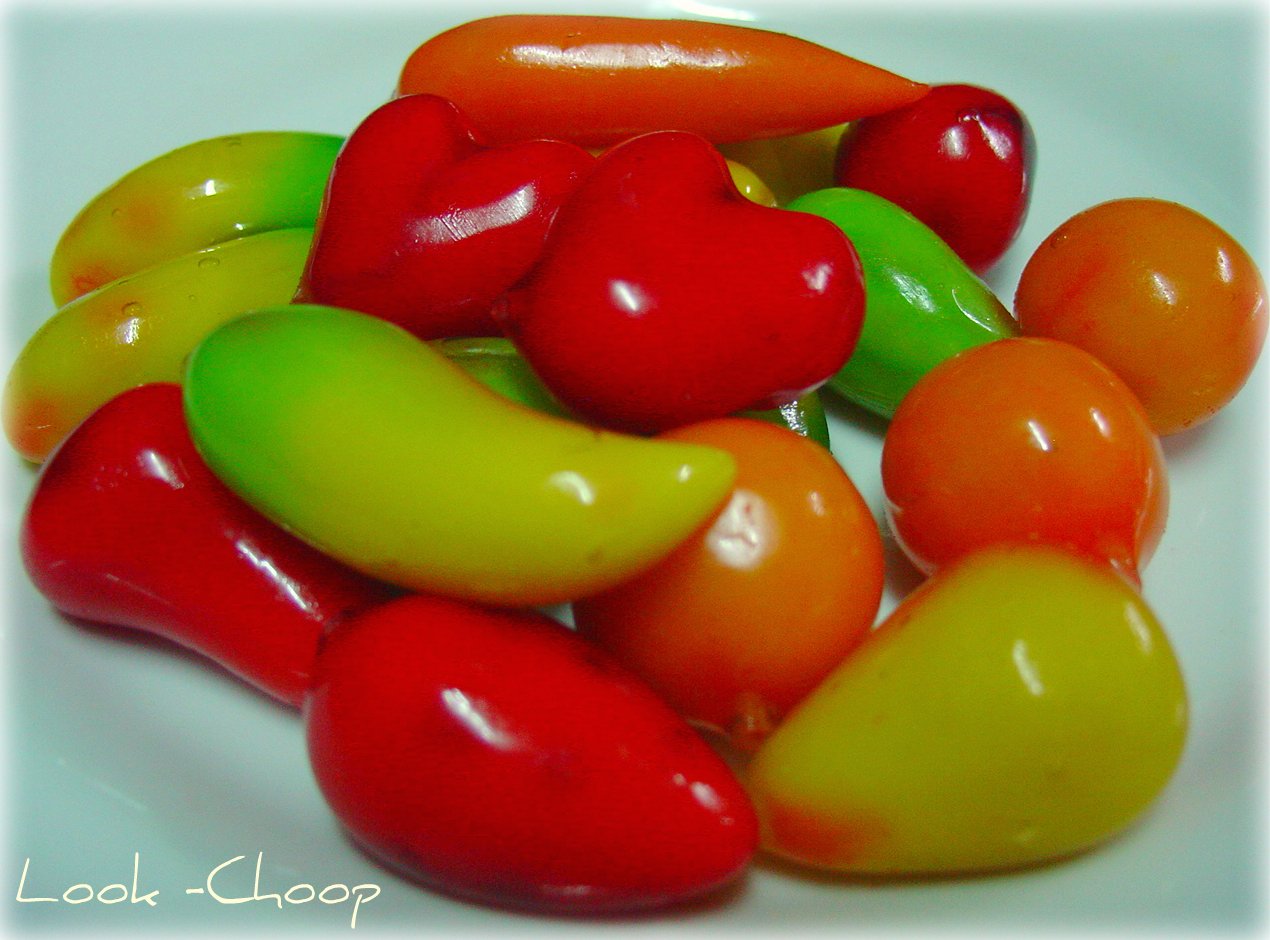 Luk chupVeganลูกชุบ
🇹🇭 ThailandThai sweets shaped and colored to look like tiny fruits and vegetables
Sweet or dessert, Snacks, Tea time
Luk chupVeganลูกชุบ
🇹🇭 ThailandThai sweets shaped and colored to look like tiny fruits and vegetables
Sweet or dessert, Snacks, Tea time
 BebincaVegetarian
🇮🇳 IndiaGoan layer cake made with coconut milk, ghee, egg yolk, flour and sugar
Sweet or dessert
BebincaVegetarian
🇮🇳 IndiaGoan layer cake made with coconut milk, ghee, egg yolk, flour and sugar
Sweet or dessert
 DouhuaVegan豆花
🇨🇳 China and 5 moreSoft tofu served as a sweet or savoury snack across East and Southeast Asia
Sweet or dessert, Breakfast, Snacks
DouhuaVegan豆花
🇨🇳 China and 5 moreSoft tofu served as a sweet or savoury snack across East and Southeast Asia
Sweet or dessert, Breakfast, Snacks