
Papo de anjo
Portuguese dessert of whipped egg yolks baked and simmered in sugar syrup
Papo de anjo is a Portuguese sweet made by whipping egg yolks, baking them until set, and then simmering the pieces in a sugar syrup. This dessert, whose name means "angel's double chin," dates back to convent kitchens of Portugal, where it was created to use up surplus egg yolks. It is served as a dessert and sometimes flavored with rum, vanilla, or orange peel.
- Made by whipping egg yolks and baking them in small molds
- Simmered in a sugar syrup, sometimes flavored with rum or orange peel
- Created by Portuguese nuns to use up leftover yolks
- Name means 'angel's double chin' in Portuguese
What is Papo de anjo?
Papo de anjo is a small, delicate Portuguese dessert made mainly from egg yolks. The yolks are whipped until very light and airy, sometimes with a little beaten egg white added. The mixture is spooned into small molds and baked until just set, without forming a crust. After baking, the pieces are simmered in a sugar syrup, which may be scented with rum, vanilla, or orange peel. The result is a soft, syrup-soaked sweet with a golden color and a rich, eggy taste.
Where does Papo de anjo come from?
This dessert has its roots in Portuguese convents, where nuns are believed to have created it in the 14th or 15th centuries. At that time, convents and monasteries often did laundry for the community, using egg whites to starch clothes. This left them with many leftover yolks, which they turned into rich sweets like papo de anjo. The name means 'angel's double chin,' a playful reference to its plump shape and heavenly sweetness.
How is Papo de anjo made?
To make papo de anjo, egg yolks are beaten until they become very fluffy and double in volume. Some versions add a small amount of stiffly beaten egg white. The mixture is poured into greased muffin molds in small portions and baked until just firm. Once cooled, the baked pieces are simmered briefly in a hot sugar syrup, which can be flavored with rum, vanilla, or orange peel for extra aroma.
How and when is Papo de anjo eaten?
Papo de anjo is served as a dessert, often at the end of a meal. It is eaten cold or at room temperature, with the syrup spooned over the top. The sweet is enjoyed on ordinary days as well as on special occasions, and is sometimes found in Portuguese communities abroad, such as in Brazil. It is usually eaten plain, letting the syrup and egg flavor stand out.
Kinds of Papo de anjo
Most recipes stick to the basic method, but some include a little egg white for a lighter texture. The syrup can be flavored in different ways, with rum, vanilla, or orange peel being common choices. In Brazil, similar egg yolk sweets exist, though they may differ in texture or presentation. The core idea remains the same: using surplus yolks to create a rich, syrupy treat.
What Papo de anjo means
Papo de anjo is part of the wider tradition of Portuguese convent sweets, which are known for their heavy use of egg yolks and sugar. These desserts are a symbol of Portuguese culinary heritage and reflect the resourcefulness of nuns in historic convents. The sweet is a reminder of the important role religious communities played in shaping Portugal's dessert culture.
Questions people ask about Papo de anjo
What is papo de anjo made of?
It is made mainly from whipped egg yolks, sometimes with a little egg white, and is simmered in a sugar syrup that can be flavored with rum, vanilla, or orange peel.
Where does papo de anjo come from?
Papo de anjo comes from Portugal and was created in convents by nuns, likely in the 14th or 15th centuries.
How is papo de anjo prepared?
Egg yolks are whipped until fluffy, poured into small molds, baked until set, and then simmered in a flavored sugar syrup.
When is papo de anjo usually eaten?
It is served as a dessert, often at the end of a meal, and can be enjoyed on ordinary days or special occasions.
What does the name 'papo de anjo' mean?
The name translates to 'angel's double chin,' referring to the sweet's plump shape and delicate texture.
Good reading and sources
The facts on this page come from the Wikipedia article "Papo-de-anjo", written by its contributors and used under the CC BY-SA 4.0 licence, and from its Wikidata record (CC0). Thali rewrote the text in its own words, with AI assistance, and compares every page with the article to make sure no passage is copied. It may be reused under the same CC BY-SA 4.0 licence with a link back.
It may contain mistakes, and it is not dietary or allergy advice: recipes differ from cook to cook. If something is wrong, tell us. Last refreshed 2026-10-03.
More from Portugal
All the food of Portugal CroissantVegetarian
🇫🇷 France and 5 moreA crescent-shaped, flaky pastry made from layered yeast dough and butter
Pie or savoury pastry, Breakfast, Tea time
CroissantVegetarian
🇫🇷 France and 5 moreA crescent-shaped, flaky pastry made from layered yeast dough and butter
Pie or savoury pastry, Breakfast, Tea time
 MarzipanVegetarian
🇩🇪 Germany and 5 moreSweet almond paste shaped or used in cakes, especially at Christmas and weddings
Sweet or dessert, Snacks, Tea time
MarzipanVegetarian
🇩🇪 Germany and 5 moreSweet almond paste shaped or used in cakes, especially at Christmas and weddings
Sweet or dessert, Snacks, Tea time
 Churrochurros
🇪🇸 Spain and 5 moreRidged, deep-fried dough sticks often eaten hot with chocolate or coffee
Sweet or dessert, Breakfast, Snacks
Churrochurros
🇪🇸 Spain and 5 moreRidged, deep-fried dough sticks often eaten hot with chocolate or coffee
Sweet or dessert, Breakfast, Snacks
 Sponge cakeVegetarian
🇮🇹 Italy and 5 moreA light, airy cake made with eggs, flour and sugar, often served plain or with fillings
Sweet or dessert, Tea time
Sponge cakeVegetarian
🇮🇹 Italy and 5 moreA light, airy cake made with eggs, flour and sugar, often served plain or with fillings
Sweet or dessert, Tea time
Its cousins elsewhere
All sweets and desserts Suspiro de limeñaVegetarian
🇵🇪 PeruPeruvian dessert with caramelized milk and port wine meringue
Sweet or dessert
Suspiro de limeñaVegetarian
🇵🇪 PeruPeruvian dessert with caramelized milk and port wine meringue
Sweet or dessert
 Eggnog
🇺🇸 United States and 5 moreA creamy, sweet drink of milk, eggs, sugar and spirits, served at Christmas
Drink, Snacks
Eggnog
🇺🇸 United States and 5 moreA creamy, sweet drink of milk, eggs, sugar and spirits, served at Christmas
Drink, Snacks
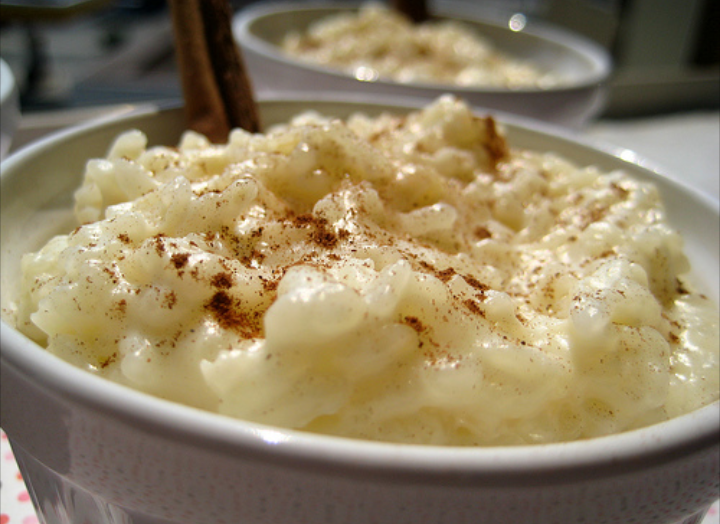 Rice pudding
🇮🇳 India and 4 moreSweetened rice cooked in milk, found in many forms worldwide
Sweet or dessert, Breakfast, Lunch
Rice pudding
🇮🇳 India and 4 moreSweetened rice cooked in milk, found in many forms worldwide
Sweet or dessert, Breakfast, Lunch
 PavlovaVegetarian
🇳🇿 New Zealand and 1 moreMeringue dessert with a crisp shell, soft centre, and fruit and cream topping
Sweet or dessert
PavlovaVegetarian
🇳🇿 New Zealand and 1 moreMeringue dessert with a crisp shell, soft centre, and fruit and cream topping
Sweet or dessert