
Pea soup
A thick, hearty soup made from dried peas, found in many world cuisines
Pea soup is a filling soup made from dried peas, often with pork or ham, and is found in many countries from Sweden to Canada. Its color ranges from yellow to green depending on the peas used. Eaten since ancient times, it appears in both everyday meals and special traditions, especially in colder months.
- Pea soup has been eaten since ancient Greece and Rome.
- In Sweden and Finland, it is a traditional Thursday meal.
- Dutch erwtensoep is so thick a spoon can stand upright in it.
- Quebec’s soupe aux pois uses whole yellow peas and salt pork.
- Australia’s pie floater is a meat pie in thick pea soup.
What is Pea soup?
Pea soup is a thick, rustic soup made from dried peas, usually split peas, which can be green or yellow. The soup often includes pork or ham for flavor, along with vegetables like onions, carrots, celery, and sometimes potatoes. Its texture ranges from smooth and creamy to chunky, depending on the region and recipe. The color varies from a muted green to a golden yellow. The taste is earthy and hearty, with smoky or herbal notes if meat or herbs are added.
Where does Pea soup come from?
Pea soup dates back to ancient Greece and Rome, where street vendors sold hot pea soup in Athens around 500–400 BC. The dish is mentioned in the plays of Aristophanes. Over centuries, it became a staple in many European countries, valued for its nutrition and the long shelf life of dried peas. In the Early Modern period, refined versions using fresh peas appeared in French cuisine, while the traditional dried pea soup remained popular as a filling, affordable food for common people and sailors.
How is Pea soup made?
To make pea soup, dried peas are soaked and simmered with water or stock until soft. Pork, such as ham hock or salt pork, is often added for richness, and vegetables like onions, carrots, and celery provide extra flavor. Herbs such as thyme or marjoram are common in Nordic versions. The soup may be puréed for a smooth texture or left chunky. In some places, smoked sausage or bacon is added just before serving. Regional recipes may include potatoes or dumplings.


How and when is Pea soup eaten?
Pea soup is eaten as a main meal, especially in colder months. In Sweden and Finland, it is traditionally served on Thursdays, often followed by pancakes and jam. In the Netherlands, it is a winter staple, served with rye bread and bacon or cheese. In Canada and the US, it is a homely dish, sometimes paired with bread or dumplings. In Australia, the pie floater combines a meat pie with thick pea soup. It is served in homes, schools, military messes, and even as street food.
Kinds of Pea soup
Many countries have their own versions. Dutch erwtensoep (snert) is very thick and includes smoked sausage. Swedish ärtsoppa and Finnish hernekeitto use yellow or green peas and are eaten with mustard and pancakes. In Germany, pea soup may come with sausage or Kassler and is sometimes made from instant mixes. Quebec's soupe aux pois uses whole yellow peas and salt pork. In Poland, military pea soup is famously thick. In Australia, the pie floater is a unique take with a meat pie in pea soup.
What Pea soup means
Pea soup is tied to weekly and seasonal traditions. In Sweden and Finland, Thursday pea soup is a long-standing custom, linked to pre-Reformation fasting. In Finland, it is also eaten at Laskiainen, a festival before Lent. In the Netherlands, it is a symbol of winter, sold at stalls for ice skaters. In Poland, it is associated with the military and large gatherings. The dish appears in literature and folklore, and has inspired instant soup products like Germany’s Erbswurst.
When Pea soup is on the table
Questions people ask about Pea soup
What is pea soup made of?
Pea soup is made from dried peas, usually split peas, with additions like pork, ham, onions, carrots, celery, and herbs. Some versions include potatoes or smoked sausage.
Where does pea soup come from?
Pea soup has ancient roots, eaten in Greece and Rome, and is now found in many countries including Sweden, Finland, the Netherlands, Canada, Germany, and the United States.
Are there different types of pea soup?
Yes, each country has its own style. Dutch erwtensoep is very thick with smoked sausage, Swedish ärtsoppa is eaten with pancakes, and Quebec’s version uses yellow peas and salt pork.
Is pea soup always vegetarian?
No, many traditional recipes include pork or ham, but vegetarian versions exist, especially if the meat is left out or replaced with extra vegetables and herbs.
When is pea soup usually eaten?
It is often eaten as a main meal for lunch or dinner, especially in winter. In Sweden and Finland, it is a Thursday tradition, and in Finland, it is also eaten during the festival of Laskiainen.
Good reading and sources
The facts on this page come from the Wikipedia article "Pea soup", written by its contributors and used under the CC BY-SA 4.0 licence, and from its Wikidata record (CC0). Thali rewrote the text in its own words, with AI assistance, and compares every page with the article to make sure no passage is copied. It may be reused under the same CC BY-SA 4.0 licence with a link back.
It may contain mistakes, and it is not dietary or allergy advice: recipes differ from cook to cook. If something is wrong, tell us. Last refreshed 2026-10-03.
More from Sweden
All the food of Sweden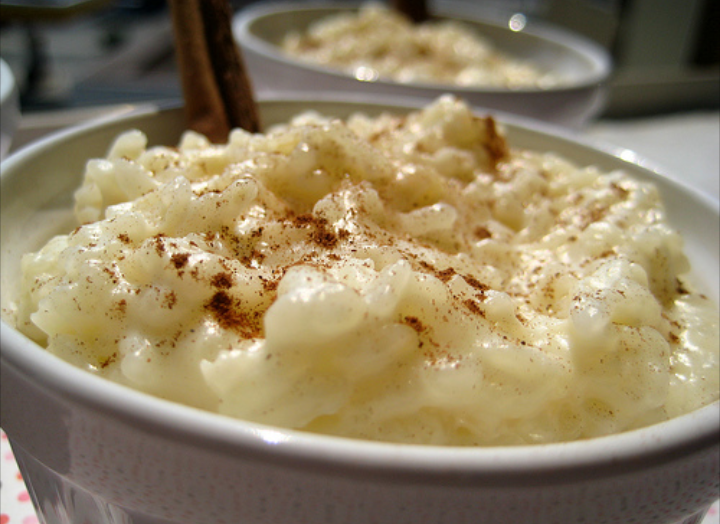 Rice pudding
🇮🇳 India and 4 moreSweetened rice cooked in milk, found in many forms worldwide
Sweet or dessert, Breakfast, Lunch
Rice pudding
🇮🇳 India and 4 moreSweetened rice cooked in milk, found in many forms worldwide
Sweet or dessert, Breakfast, Lunch
 Christmas hamMeat
🇸🇪 Sweden and 3 moreCured ham served at Christmas, with local glazes and traditions
Main dish, Dinner
Christmas hamMeat
🇸🇪 Sweden and 3 moreCured ham served at Christmas, with local glazes and traditions
Main dish, Dinner
 Smörgåsbord
🇸🇪 Sweden and 2 moreA Swedish buffet meal with a spread of cold and hot dishes
Main dish, Lunch, Dinner
Smörgåsbord
🇸🇪 Sweden and 2 moreA Swedish buffet meal with a spread of cold and hot dishes
Main dish, Lunch, Dinner
 MeatballMeat
🇮🇹 Italy and 5 moreGround meat shaped into balls and cooked by frying, baking, or braising in sauce
Main dish, Lunch, Dinner
MeatballMeat
🇮🇹 Italy and 5 moreGround meat shaped into balls and cooked by frying, baking, or braising in sauce
Main dish, Lunch, Dinner
Its cousins elsewhere
All soups Lentil soupVegan
🇪🇬 Egypt and 5 moreA hearty soup made from lentils, often with vegetables and spices
Soup, Lunch, Dinner
Lentil soupVegan
🇪🇬 Egypt and 5 moreA hearty soup made from lentils, often with vegetables and spices
Soup, Lunch, Dinner
 Caldo de polloMeat
🇲🇽 MexicoMexican chicken soup with large pieces of meat and vegetables
Soup, Lunch, Dinner
Caldo de polloMeat
🇲🇽 MexicoMexican chicken soup with large pieces of meat and vegetables
Soup, Lunch, Dinner
 Chicken soupMeat
🇺🇸 United States and 4 moreA hot soup of chicken simmered with vegetables, noodles or grains
Soup, Lunch, Dinner
Chicken soupMeat
🇺🇸 United States and 4 moreA hot soup of chicken simmered with vegetables, noodles or grains
Soup, Lunch, Dinner
 Shchiщи
🇷🇺 Russia and 1 moreRussian cabbage soup, made with fresh or fermented cabbage
Soup, Lunch, Dinner
Shchiщи
🇷🇺 Russia and 1 moreRussian cabbage soup, made with fresh or fermented cabbage
Soup, Lunch, Dinner