
Porridge
Grain or starchy plant boiled in water or milk to a thick, soft food
Porridge is a thick, soft food made by boiling ground, crushed or chopped starchy plants—usually grains—in water or milk. It is eaten in many countries, often for breakfast, and can be sweet or savoury depending on added flavourings or toppings. Oats, rice, maize and millet are common bases, with variations found worldwide.
- Made by boiling grains or starchy plants in water or milk
- Eaten sweet or savoury, with many local variations
- Oatmeal is the most common type in the UK and North America
- Can be made from oats, rice, maize, millet, and more
- Often served hot for breakfast, but eaten at any meal
What is Porridge?
Porridge is a soft, thick food made by boiling or soaking grains or other starchy plants in water or milk. The most common grains used are oats, rice, maize (corn), and millet, but barley, wheat, and buckwheat are also found. The result is a creamy or lumpy mixture, usually served hot in a bowl. Porridge can be sweetened with sugar, honey, fruit, or jam, or made savoury with salt, spices, vegetables, or even meat or fish. Its taste and texture vary with the grain and the way it is cooked.
Where does Porridge come from?
Porridge has been a staple in many cultures for centuries, with different grains used depending on what is locally available. Oat porridge is especially linked to the British Isles, while rice, maize, and millet porridges are common in Asia, Africa, and the Americas. Archaeological finds show oat porridge was eaten in Europe thousands of years ago. Over time, each region developed its own names and styles, such as congee in Asia, polenta in Italy, and grits in the southern United States.
How is Porridge made?
To make porridge, grains or other starchy plants are ground, crushed, or chopped, then boiled or soaked in water or milk until soft and thick. The mixture is stirred to prevent sticking and can be cooked to different consistencies, from runny to very thick. Flavourings or toppings are added during or after cooking, depending on taste and tradition. Some versions use only oats, water, and salt, while others add sweeteners, spices, or other ingredients.


How and when is Porridge eaten?
Porridge is most often eaten hot for breakfast but can be served at any meal. It is usually eaten from a bowl or pot, sometimes with milk, cream, butter, or a variety of toppings. In some places, it is a comfort food for the sick or young. The way porridge is served and eaten varies widely: it can be sweet or savoury, plain or elaborate, and is often adapted to local tastes and customs.
Kinds of Porridge
There are many types of porridge around the world. Oatmeal is common in English-speaking countries, while congee is popular in Asia. Maize porridges include polenta in Italy and grits in the United States. Millet and rice porridges are staples in parts of Africa and Asia. Some porridges are thin and drinkable, like gruel, while others are thick enough to slice. Each culture adds its own flavours and ingredients.
What Porridge means
Porridge is a daily food in many places and is tied to tradition and comfort. In Scotland, it is made with just oats, water, and salt and sometimes eaten with whisky. In Asia, rice porridge is often served to the sick or as a gentle meal. Some porridges are linked to specific regions or communities, and many have their own names and customs. Oat porridge has been recognized for its health benefits, especially for lowering cholesterol.
Questions people ask about Porridge
What is porridge made of?
Porridge is made by boiling or soaking ground, crushed, or chopped starchy plants—usually grains like oats, rice, maize, or millet—in water or milk. It can be flavoured with sweet or savoury ingredients.
Where does porridge come from?
Porridge is a traditional staple in many countries. Oat porridge is especially linked to the British Isles, but rice, maize, and millet porridges are common in Asia, Africa, and the Americas.
Is porridge always sweet?
No, porridge can be either sweet or savoury. It is often sweetened with sugar, honey, or fruit, but can also be made with salt, spices, vegetables, or even meat and fish.
What are some common types of porridge?
Common types include oat porridge (oatmeal), rice porridge (congee), maize porridge (polenta, grits), and millet porridge. Each has its own regional names and styles.
When is porridge usually eaten?
Porridge is most often eaten hot for breakfast, but it can be served at any meal or as a snack, depending on local custom.
Good reading and sources
- Encyclopaedia BritannicaArticle
- Porridge no longer on the menu for those doing porridgeThe Guardian, Article
The facts on this page come from the Wikipedia article "Porridge", written by its contributors and used under the CC BY-SA 4.0 licence, and from its Wikidata record (CC0). EveryThali rewrote the text in its own words, with AI assistance, and compares every page with the article to make sure no passage is copied. It may be reused under the same CC BY-SA 4.0 licence with a link back.
It may contain mistakes, and it is not dietary or allergy advice: recipes differ from cook to cook. If something is wrong, tell us. Last refreshed 2026-10-05.
More from the United Kingdom
All the food of the United Kingdom Pizza
🇮🇹 Italy and 4 moreFlatbread topped with tomato, cheese and baked at high heat
Main dish, Lunch, Dinner
Pizza
🇮🇹 Italy and 4 moreFlatbread topped with tomato, cheese and baked at high heat
Main dish, Lunch, Dinner
 French toast
🇫🇷 France and 5 moreBread soaked in egg and milk, pan-fried and served sweet or savoury
Main dish, Breakfast, Snacks
French toast
🇫🇷 France and 5 moreBread soaked in egg and milk, pan-fried and served sweet or savoury
Main dish, Breakfast, Snacks
 Pancake
🇺🇸 United States and 5 moreFlat cakes made from batter, cooked on a griddle or pan and served sweet or savoury
Main dish, Breakfast, Snacks
Pancake
🇺🇸 United States and 5 moreFlat cakes made from batter, cooked on a griddle or pan and served sweet or savoury
Main dish, Breakfast, Snacks
 Fish and chipsFish or seafood
🇬🇧 United Kingdom and 8 moreBattered fried fish served hot with thick-cut chips
Main dish, Lunch, Dinner
Fish and chipsFish or seafood
🇬🇧 United Kingdom and 8 moreBattered fried fish served hot with thick-cut chips
Main dish, Lunch, Dinner
Its cousins elsewhere
All main dishes Korean fried chickenMeat치킨
🇰🇷 South Korea and 5 moreCrispy fried chicken from South Korea, often served with sauces and pickled radish
Main dish, Lunch, Dinner
Korean fried chickenMeat치킨
🇰🇷 South Korea and 5 moreCrispy fried chicken from South Korea, often served with sauces and pickled radish
Main dish, Lunch, Dinner
 Sushi寿司
🇯🇵 JapanVinegared rice with seafood, vegetables or other toppings, from Japan
Main dish, Lunch, Dinner
Sushi寿司
🇯🇵 JapanVinegared rice with seafood, vegetables or other toppings, from Japan
Main dish, Lunch, Dinner
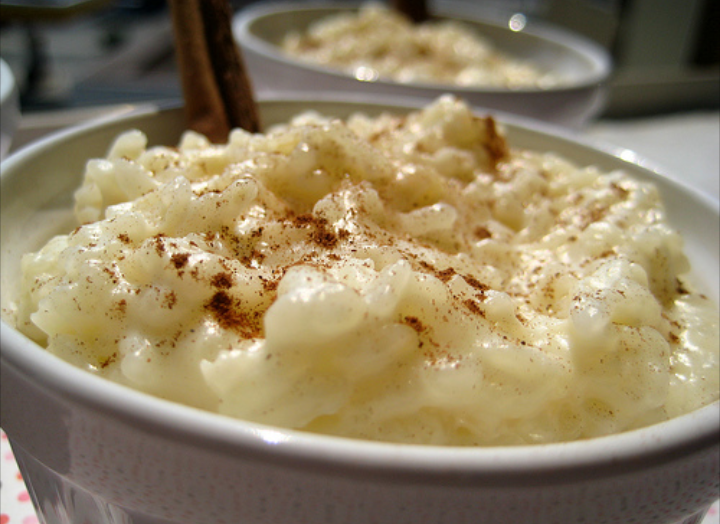 Rice pudding
🇮🇳 India and 4 moreSweetened rice cooked in milk, found in many forms worldwide
Sweet or dessert, Breakfast, Lunch
Rice pudding
🇮🇳 India and 4 moreSweetened rice cooked in milk, found in many forms worldwide
Sweet or dessert, Breakfast, Lunch
 TocinoMeat
🇵🇭 Philippines and 5 moreCured or fried pork enjoyed in Spain, the Philippines, and the Caribbean
Main dish, Breakfast, Lunch
TocinoMeat
🇵🇭 Philippines and 5 moreCured or fried pork enjoyed in Spain, the Philippines, and the Caribbean
Main dish, Breakfast, Lunch