
Rewena bread
In its own language: parāoa rēwena
Sourdough bread from New Zealand made with a fermented potato starter
Rewena bread is a sourdough bread from New Zealand, created by the Māori people. It uses a fermented potato starter, often made with Māori potatoes, which gives the bread a sweet and tangy flavor. The bread is closely tied to Māori cuisine and is usually baked as a round loaf.
- Uses a fermented potato starter called a 'bug'
- Originated with the Māori people of New Zealand
- Distinct sweet and sour flavor from fermentation
- Starter can be kept alive and reused indefinitely
- Sometimes used in Māori ritual to break tapu
What is Rewena bread?
Rewena bread is a round, sourdough loaf made using a fermented potato starter. The starter, or 'bug', is created from boiled and mashed potatoes, flour, and sugar, which are left to ferment for several days. This process gives the bread its distinct sweet and sour flavor. The finished bread is closely linked to Māori food traditions and is often made with local Māori potatoes, though sweet potato (kūmara) can also be used.
Where does Rewena bread come from?
This bread comes from New Zealand and was developed by the Māori people. The name 'rewena' is a transliteration of 'leaven', referring to the natural raising agent, while 'parāoa' means 'flour' and also refers to bread or dough. The use of a potato-based starter is a unique feature of this bread, setting it apart from other sourdoughs and reflecting local ingredients and techniques.
How is Rewena bread made?
To make rewena bread, potatoes are boiled and mashed, then mixed with flour and sugar to start fermentation. This mixture is left to ferment for one or more days, depending on the temperature and humidity. The resulting starter is then combined with more flour and water, kneaded, and shaped into a round loaf before baking. The starter can be kept alive and reused, as with other sourdoughs.
How and when is Rewena bread eaten?
Rewena bread is a part of everyday Māori meals. It is typically served hot and can be eaten on its own or alongside other dishes. The bread's sweet and sour taste makes it a distinctive accompaniment. In some customs, rewena bread is crumbled over hands after visiting a cemetery, as a way to break a tapu (taboo) instead of washing with water.
Kinds of Rewena bread
While the classic version uses Māori potatoes, some makers use kūmara (sweet potato) in the starter. The bread is usually baked as a round loaf, but other shapes are possible. Another Māori bread, parāoa parai, is fried rather than baked. The starter can be maintained and passed down, leading to subtle differences in flavor from household to household.
What Rewena bread means
Rewena bread holds a special place in Māori culture, representing both everyday sustenance and ritual. Its use in breaking tapu after cemetery visits highlights its role beyond food. The bread is a symbol of Māori culinary heritage, and the method of keeping a living starter connects generations through shared practice.
Questions people ask about Rewena bread
What is rewena bread made of?
Rewena bread is made from a starter of boiled and mashed potatoes, flour, and sugar, which is fermented and then mixed with more flour and water before baking.
Where does rewena bread come from?
It comes from New Zealand and was created by the Māori people. It is an important part of Māori cuisine.
What makes rewena bread different from other breads?
Rewena bread uses a fermented potato starter, which gives it a unique sweet and sour flavor not found in most other breads.
Is rewena bread vegan?
Yes, rewena bread is vegan as it is made from potatoes, flour, water, sugar, and salt, with no animal products.
How is rewena bread traditionally eaten?
It is usually served hot and can be eaten on its own or with other foods. In Māori culture, it may also be used in rituals, such as breaking tapu after cemetery visits.
Good reading and sources
The facts on this page come from the Wikipedia article "Rēwena bread", written by its contributors and used under the CC BY-SA 4.0 licence, and from its Wikidata record (CC0). Thali rewrote the text in its own words, with AI assistance, and compares every page with the article to make sure no passage is copied. It may be reused under the same CC BY-SA 4.0 licence with a link back.
It may contain mistakes, and it is not dietary or allergy advice: recipes differ from cook to cook. If something is wrong, tell us. Last refreshed 2026-10-03.
More from New Zealand
All the food of New Zealand Scone
🇬🇧 United Kingdom and 5 moreA quick bread, sweet or savoury, served with tea in Britain and beyond
Bread, Tea time, Breakfast
Scone
🇬🇧 United Kingdom and 5 moreA quick bread, sweet or savoury, served with tea in Britain and beyond
Bread, Tea time, Breakfast
 CrumpetVegetarian
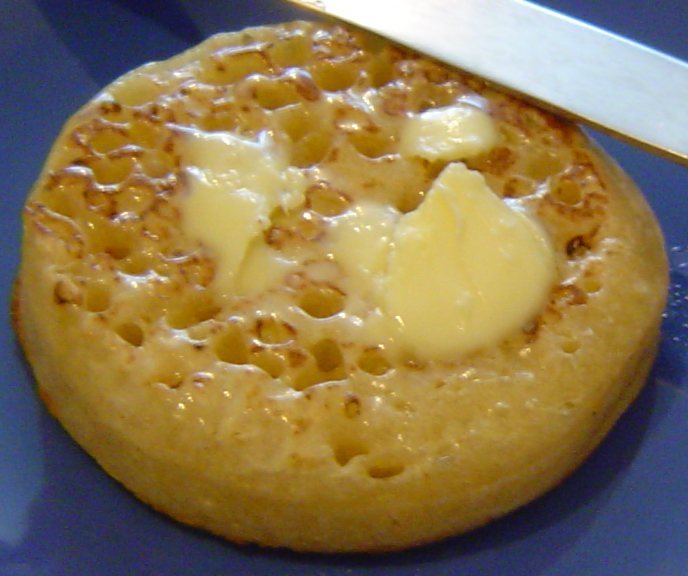
🇬🇧 United Kingdom and 5 moreRound, spongy griddle bread with a porous top, often eaten toasted with butter
Bread, Breakfast, Snacks
CrumpetVegetarian
🇬🇧 United Kingdom and 5 moreRound, spongy griddle bread with a porous top, often eaten toasted with butter
Bread, Breakfast, Snacks
 Fish and chipsFish or seafood
🇬🇧 United Kingdom and 8 moreBattered fried fish served hot with thick-cut chips
Main dish, Lunch, Dinner
Fish and chipsFish or seafood
🇬🇧 United Kingdom and 8 moreBattered fried fish served hot with thick-cut chips
Main dish, Lunch, Dinner
 Pie
🇬🇧 United Kingdom and 5 moreA baked dish with a pastry crust and sweet or savoury filling
Main dish, Lunch, Dinner
Pie
🇬🇧 United Kingdom and 5 moreA baked dish with a pastry crust and sweet or savoury filling
Main dish, Lunch, Dinner
Its cousins elsewhere
All breads BriocheVegetarianune brioche
🇫🇷 FranceFrench bread made with eggs and butter, often shaped in rounds or loaves
Bread, Breakfast, Snacks
Naanनान
🇮🇳 India and 5 moreLeavened flatbread baked in a tandoor or on a pan, soft and spotted with golden brown
Bread, Lunch, Dinner
BriocheVegetarianune brioche
🇫🇷 FranceFrench bread made with eggs and butter, often shaped in rounds or loaves
Bread, Breakfast, Snacks
Naanनान
🇮🇳 India and 5 moreLeavened flatbread baked in a tandoor or on a pan, soft and spotted with golden brown
Bread, Lunch, Dinner
 BaguetteVegan
🇫🇷 France and 5 moreLong, thin French bread with a crisp crust and soft interior
Bread, Breakfast, Lunch
BaguetteVegan
🇫🇷 France and 5 moreLong, thin French bread with a crisp crust and soft interior
Bread, Breakfast, Lunch
 Fry jackVegetarian
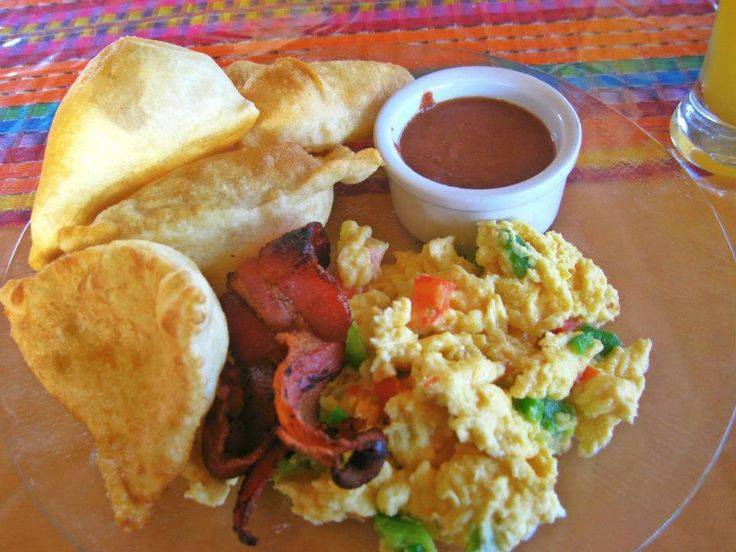
🇧🇿 BelizeDeep-fried breakfast dough from Belize, served plain or with sweet or savoury toppings
Bread, Breakfast
Fry jackVegetarian
🇧🇿 BelizeDeep-fried breakfast dough from Belize, served plain or with sweet or savoury toppings
Bread, Breakfast