Soda bread
Quick bread made with flour, baking soda, salt, and buttermilk
Soda bread is a quick bread made by mixing flour, baking soda, salt, and buttermilk, with the acid in the buttermilk reacting with the soda to create bubbles that help the bread rise. It is most closely linked with Ireland, but versions are found in Scotland, Serbia, the United States, and Poland. Soda bread is usually eaten as an everyday bread, but in Serbia it is also part of Christmas tradition.
- Uses baking soda and buttermilk instead of yeast
- Irish soda bread is often made with soft wheat flour
- Serbian česnica is served at Christmas with a coin hidden inside
- Soda farls are a flat, griddled version from Ulster and Scotland
- Modern versions may include raisins, nuts, or even Guinness
What is Soda bread?
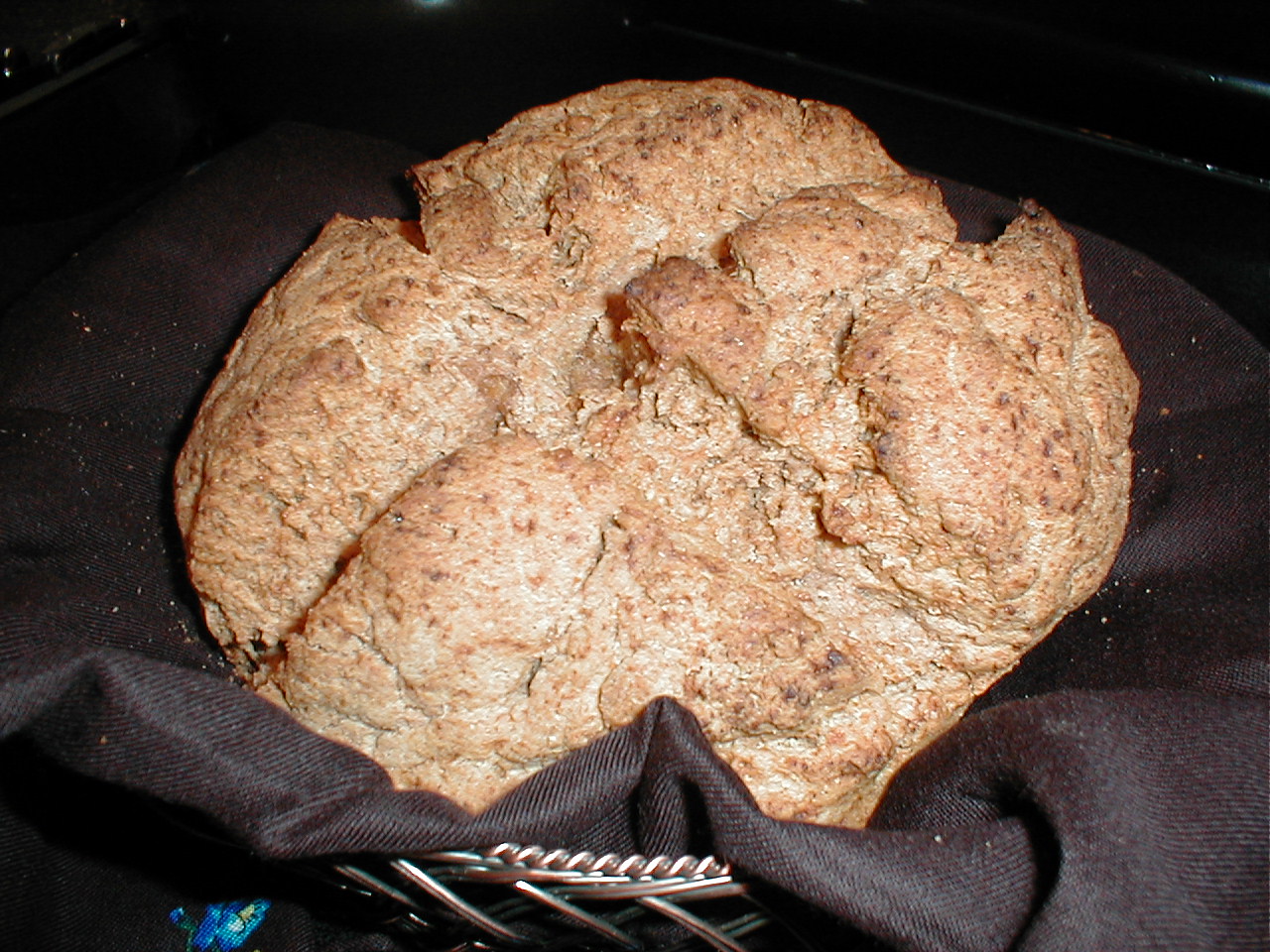
Soda bread is a type of bread that rises without yeast, using baking soda and an acid like buttermilk to create bubbles in the dough. The basic mixture is flour, baking soda, salt, and buttermilk, though some versions add butter, eggs, raisins, or nuts. The dough is usually shaped into a round or flat loaf, sometimes marked with a cross or cut into sections. Its texture is moist and crumbly, with a pale or brown crust. The taste is mild, sometimes tangy from the buttermilk.
Where does Soda bread come from?
Soda bread became popular in Ireland where local wheat was not suited to yeast baking. Baking soda provided a reliable way to make bread rise quickly. The bread was often cooked on a griddle, especially before ovens were common. In the United States, settlers used similar methods, and commercial baking soda became available in the 19th century. In Serbia, a soda bread called česnica is part of Christmas customs. Scottish and Polish cuisines also have their own versions.
How is Soda bread made?
To make soda bread, flour, baking soda, salt, and buttermilk are mixed together just until combined. The dough is not kneaded, as this keeps the bread tender. It is shaped into a round or flat loaf, sometimes cut into sections or marked with a cross. The bread is baked in an oven or on a griddle. Some recipes use wholemeal or white flour, or add oats, sweeteners, or dried fruit. The leavening starts as soon as the ingredients are mixed, so the bread is baked right away.


How and when is Soda bread eaten?
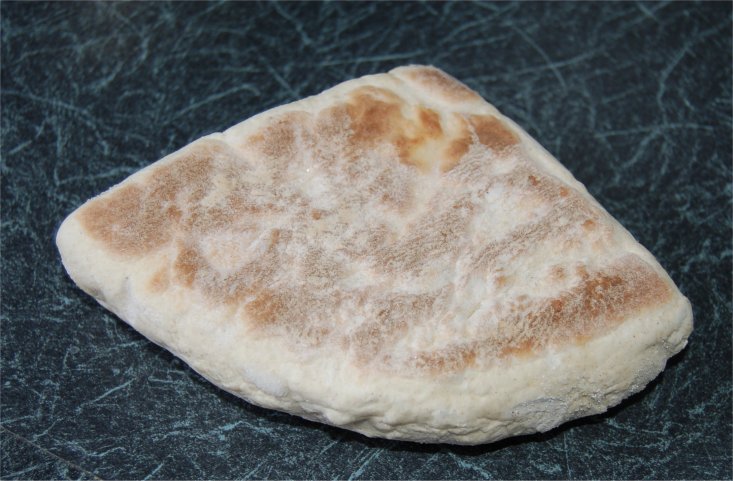
Soda bread is eaten as an everyday bread in Ireland and other countries. It can be served plain, with butter, or alongside dishes like smoked salmon. In Ulster, it appears as part of a cooked breakfast, often in the form of a soda farl. Serbian česnica is broken and shared at Christmas dinner, sometimes with a coin hidden inside for luck. In Scotland, soda farls and bannocks are eaten at breakfast or with tea.
Kinds of Soda bread
Irish soda bread comes in white and wholemeal versions, with names like wheaten bread or brown bread. Some add sweeteners, raisins, or caraway seeds. Soda farls are flatter and cooked on a griddle. Serbian česnica is a festive loaf with symbols on top and a coin inside. Scottish bannocks and farls use barley or oatmeal. In the US, Irish-style soda bread often includes raisins or currants. Polish proziaki are small, flat soda breads from the Podkarpacie region.
What Soda bread means
Soda bread is a symbol of Irish baking and is found in cafes and bakeries across Ireland. It is also part of the Ulster fry breakfast. In Serbia, česnica is central to Christmas celebrations, with customs involving sharing the loaf and searching for a hidden coin. Scottish and Polish versions are tied to local traditions. The bread's quick preparation and simple ingredients made it a staple in rural homes.
When Soda bread is on the table
Questions people ask about Soda bread
What is soda bread made of?
The basic ingredients are flour, baking soda, salt, and buttermilk. Some versions add butter, eggs, raisins, or nuts.
Where does soda bread come from?
Soda bread is most closely associated with Ireland, but versions are also found in Scotland, Serbia, the United States, and Poland.
How is soda bread different from regular bread?
Soda bread uses baking soda and an acid like buttermilk to rise, instead of yeast. This makes it quicker to prepare and gives it a crumbly texture.
Are there sweet versions of soda bread?
Yes, some versions include raisins, currants, or sweeteners like honey, especially in the United States and some Irish recipes.
Is soda bread eaten for special occasions?
In Serbia, a version called česnica is made for Christmas and includes customs like hiding a coin in the loaf.
Good reading and sources
- How to bake the perfect soda breadThe Guardian, Article
- Secrets of the soda bread mastersBBC, Article
The facts on this page come from the Wikipedia article "Soda bread", written by its contributors and used under the CC BY-SA 4.0 licence, and from its Wikidata record (CC0). Thali rewrote the text in its own words, with AI assistance, and compares every page with the article to make sure no passage is copied. It may be reused under the same CC BY-SA 4.0 licence with a link back.
It may contain mistakes, and it is not dietary or allergy advice: recipes differ from cook to cook. If something is wrong, tell us. Last refreshed 2026-10-03.
More from Ireland
All the food of Ireland Scone
🇬🇧 United Kingdom and 5 moreA quick bread, sweet or savoury, served with tea in Britain and beyond
Bread, Tea time, Breakfast
Scone
🇬🇧 United Kingdom and 5 moreA quick bread, sweet or savoury, served with tea in Britain and beyond
Bread, Tea time, Breakfast
 Brown bread
🇮🇪 Ireland and 5 moreBread made with whole grain flours, often darkened with molasses or coffee
Bread
Brown bread
🇮🇪 Ireland and 5 moreBread made with whole grain flours, often darkened with molasses or coffee
Bread
 BoxtyVegetarianbacstaí
🇮🇪 IrelandIrish potato pancake made with grated raw potato and flour
Main dish, Breakfast, Tea time
BoxtyVegetarianbacstaí
🇮🇪 IrelandIrish potato pancake made with grated raw potato and flour
Main dish, Breakfast, Tea time
 CrumpetVegetarian
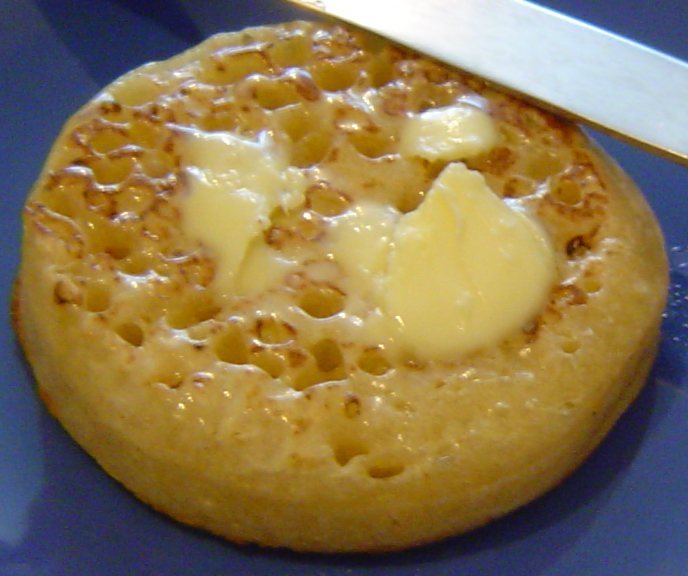
🇬🇧 United Kingdom and 5 moreRound, spongy griddle bread with a porous top, often eaten toasted with butter
Bread, Breakfast, Snacks
CrumpetVegetarian
🇬🇧 United Kingdom and 5 moreRound, spongy griddle bread with a porous top, often eaten toasted with butter
Bread, Breakfast, Snacks
Its cousins elsewhere
All breads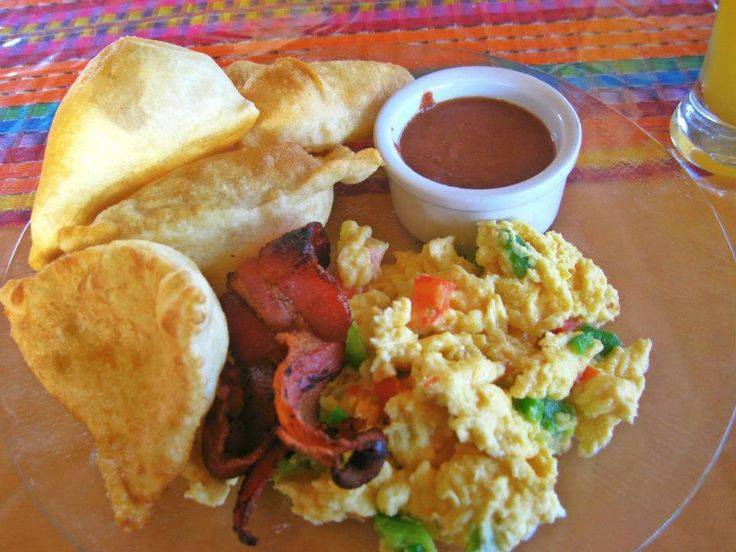 Fry jackVegetarian
🇧🇿 BelizeDeep-fried breakfast dough from Belize, served plain or with sweet or savoury toppings
Bread, Breakfast
Fry jackVegetarian
🇧🇿 BelizeDeep-fried breakfast dough from Belize, served plain or with sweet or savoury toppings
Bread, Breakfast
 Gözleme
🇹🇷 TurkeyTurkish flatbread turnover filled with meat, cheese, or vegetables
Main dish, Breakfast, Lunch
Gözleme
🇹🇷 TurkeyTurkish flatbread turnover filled with meat, cheese, or vegetables
Main dish, Breakfast, Lunch
 MsemmenVegetarianمسمن
🇩🇿 Algeria and 2 moreSquare, layered flatbread from the Maghreb, often served with honey or mint tea
Bread, Breakfast, Snacks
MsemmenVegetarianمسمن
🇩🇿 Algeria and 2 moreSquare, layered flatbread from the Maghreb, often served with honey or mint tea
Bread, Breakfast, Snacks
 Tandoor breadVegan
🇮🇶 Iraq and 5 moreFlatbread baked on the walls of a clay tandoor oven
Bread, Breakfast, Lunch
Tandoor breadVegan
🇮🇶 Iraq and 5 moreFlatbread baked on the walls of a clay tandoor oven
Bread, Breakfast, Lunch