Fire, pit and earth oven
Hāngi
The Māori earth oven of Aotearoa New Zealand: meat and root vegetables steamed for hours on hot stones in a covered pit.
Presented by ClearTrust Free for cooks, travellers and the curious.
A hāngi is a meal cooked underground. Stones are heated in a fire, food is laid over them in baskets, and the whole pit is covered with wet cloth and earth and left to steam. It is how Māori feed large gatherings, and laying one is shared work that takes most of a day.

What it is
The food is pork, lamb, chicken and vegetables: sweet potato, called kūmara, potato, pumpkin and cabbage, often with a bread stuffing and sometimes a steamed pudding. Everything cooks together, slowly, in its own steam. The result is very tender, with an earthy, lightly smoky taste that cannot be had from an oven. Hāngi food is served at once to a seated crowd, and what is left is packed up for people to take home.
Where it comes from
Earth ovens are used across Polynesia, and the ancestors of Māori brought the method with them when they settled Aotearoa. Fish, birds and kūmara were the early foods. Pork, lamb and potatoes arrived with Europeans and were taken into the tradition. Sacks, wire baskets and foil have largely replaced leaves and flax. Around Rotorua, people have long cooked in natural steam vents and hot pools instead of a fire pit, and still do.
How it works
A pit is dug and a fire built in or beside it to heat volcanic stones for several hours. The embers are cleared, baskets of meat go on the stones first, vegetables above, then wet cloths and sacks. Earth is shovelled over to seal in the steam. After three to four hours the pit is opened. A hāngi is laid for events at the marae, the communal meeting ground, such as weddings, funerals and welcomes. Visitors most easily find it at cultural evenings in Rotorua.
How to do it
- Book a cultural evening that includes a hāngi, or accept an invitation to a marae.
- Follow the welcome. Guests are formally received before any food.
- Wait for the blessing, the karakia, before eating.
- Take a little of everything. The pork and kūmara are the heart of it.
- Offer to help clear and wash up.
Good manners
- Do not sit on tables or put hats or bags on them. Tables are for food.
- Do not start eating before the karakia.
- Elders are served first.
What is eaten
 Rewena breadSourdough bread from New Zealand made with a fermented potato starter
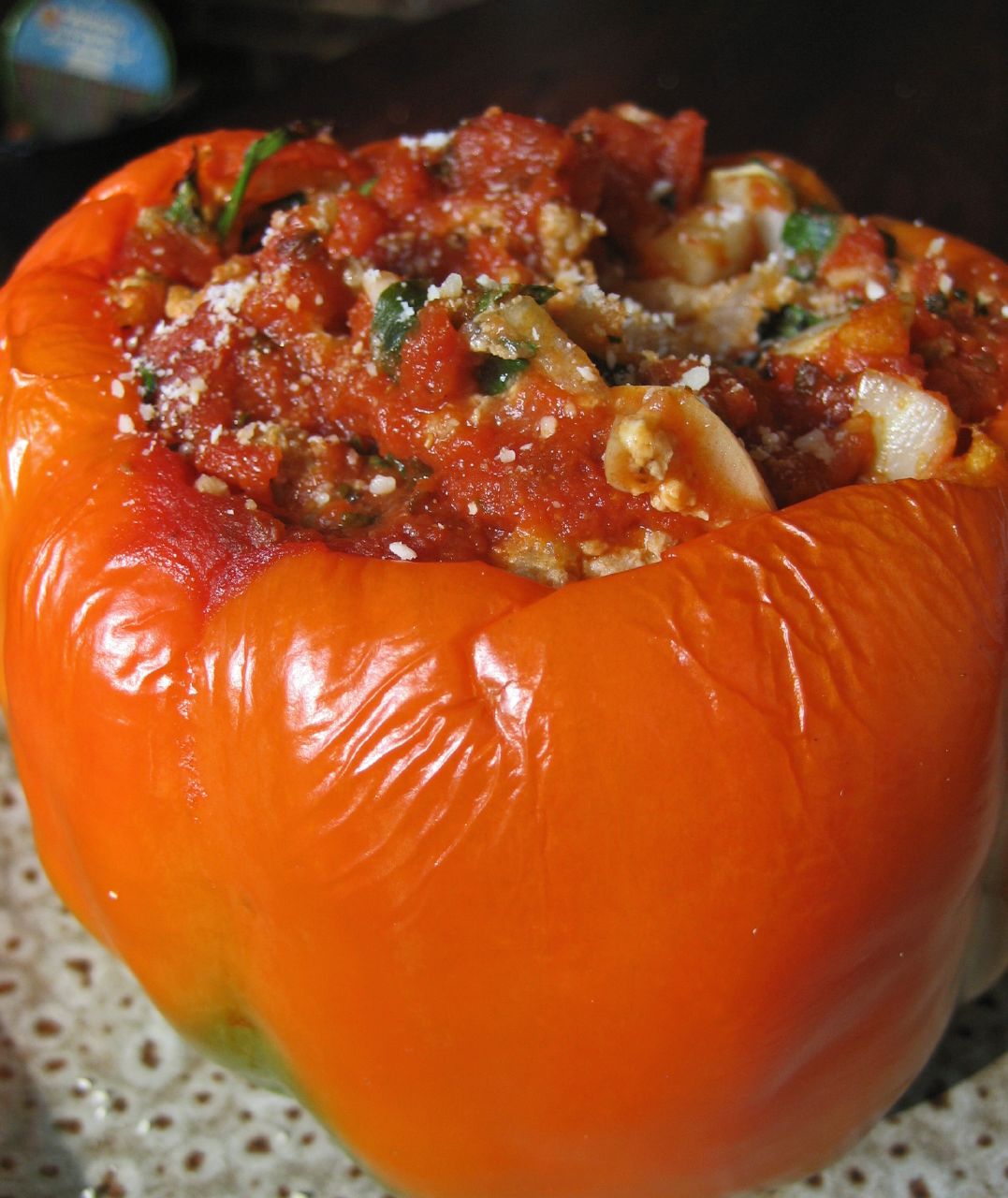 StuffingA seasoned mixture used to fill meat, poultry, seafood, or vegetables before cooking
Also part of it, and being written: Boil up, Sweet potato.
Sources and further reading
Original text by the Thali desk, written with AI assistance and checked against the sources above. Customs vary from place to place. If we have something wrong, tell us.
Photo credits on this page
The small pictures above come from Wikimedia Commons under free licences. Some are cropped to fit.
- Rewena bread: Groot42, CC0, source
- Stuffing: Biskuit, CC BY-SA 2.0, source