🇧🇷 The food of Brazil
79 dishes from Brazil, best known first, across 34 cities and regions.
Brazilian cooking brings together Indigenous, African, European, and Asian influences, shaped by the country’s size and diverse population. Regional traditions are strong, with local ingredients like manioc, tropical fruits, and seafood at the core. Dishes and flavors shift widely from north to south, reflecting Brazil’s history and geography.
- Feijoada is widely seen as Brazil’s national dish.
- Churrasco barbecue is a southern tradition with many meats cooked on skewers.
- Acarajé, a fried bean ball, is a popular Afro-Brazilian street food.
- Coffee is Brazil’s national beverage.
- Cachaça is distilled from sugarcane and used in caipirinha cocktails.
The cooking of Brazil
Brazil’s food is a blend of traditions from Indigenous peoples, Africans, Europeans, and later Asian immigrants. Each region has its own way of cooking, shaped by local crops, climate, and the mix of people who settled there. Manioc, tropical fruits, beans, and rice are common, but how they are used varies a lot. African heritage is especially strong in coastal areas like Bahia, where palm oil and chili are key. European settlers brought wheat, dairy, and wine, and adapted their recipes to local ingredients. Japanese and other Asian communities added their own dishes and helped develop poultry farming. The result is a cuisine that keeps regional differences alive, with each area proud of its specialties.
Staple foods in Brazil
Manioc (also called mandioca or aipim), rice, and beans are everyday basics across Brazil. Local fruits such as açaí, mango, papaya, and pineapple are widely used. Pork, chicken, and beef are common, with seafood important along the coast. Cassava flour is used in many forms, from flatbreads to farofa (toasted flour). Coffee is the main drink, and cachaça, a sugarcane spirit, is the base for caipirinha, the national cocktail.
Snacks and street food in Brazil
Popular snacks include pão de queijo (cheese bread), pastéis (deep-fried pastries with fillings), coxinhas (shredded chicken croquettes), risoles (breaded, fried snacks), and quibe (a meat snack of Middle Eastern origin). In some regions, street vendors sell acarajé (fried bean balls with spicy fillings) and tapioca pancakes with sweet or savory fillings.
Sweets and drinks in Brazil
Sweets often use local fruits or sugarcane, with desserts like bolo de rolo (rolled cake from Pernambuco) and taiada (sugarcane candy). Drinks include strong coffee, grape juice in the south, and cachaça. In the south, chimarrão, a type of herbal tea, is common.
From region to region in Brazil
Regional cooking is distinct. Bahia’s food is rich in African flavors, using palm oil and seafood. In the north, Indigenous traditions shape dishes based on fish, cassava, and forest fruits. The south is known for churrasco (barbecue) and European-influenced sausages, pasta, and desserts. Minas Gerais features pork, beans, and cheese, while Espírito Santo blends Amerindian and Italian roots, especially in seafood stews. The Center-West uses local fruits like pequi and has rice and chicken dishes. Each area’s food reflects its history and landscape.
Festival and religious food in Brazil
Some foods are closely tied to religious or festive occasions. In Pará, pato no tucupi (duck in a fermented manioc sauce) is linked to the Círio de Nazaré, a major Catholic festival. Feijoada, a black bean and meat stew, is often served on Wednesdays and Saturdays, especially as a social meal.
The facts in this overview come from the Wikipedia article "Brazilian cuisine", written by its contributors and used under the CC BY-SA 4.0 licence. Thali rewrote the text in its own words, with AI assistance, and compares every page with the article to make sure no passage is copied. It may be reused under the same CC BY-SA 4.0 licence with a link back.
Cities and regions of Brazil
 Churrochurros
🇪🇸 Spain and 5 moreRidged, deep-fried dough sticks often eaten hot with chocolate or coffee
Sweet or dessert, Breakfast, Snacks
Churrochurros
🇪🇸 Spain and 5 moreRidged, deep-fried dough sticks often eaten hot with chocolate or coffee
Sweet or dessert, Breakfast, Snacks
 ChorizoMeat
🇪🇸 Spain and 5 moreA seasoned pork sausage from the Iberian Peninsula, made in many regional styles
Sausage or cured food, Breakfast, Lunch
ChorizoMeat
🇪🇸 Spain and 5 moreA seasoned pork sausage from the Iberian Peninsula, made in many regional styles
Sausage or cured food, Breakfast, Lunch
 Steak tartareMeat
🇫🇷 France and 5 moreRaw minced beef, seasoned and often topped with a raw egg yolk
Main dish, Lunch, Dinner
Steak tartareMeat
🇫🇷 France and 5 moreRaw minced beef, seasoned and often topped with a raw egg yolk
Main dish, Lunch, Dinner
 Kibbehكبة
🇸🇾 Syria and 5 moreSpiced ground meat and bulgur shaped, stuffed, and fried, baked or served raw
Main dish, Lunch, Dinner
Kibbehكبة
🇸🇾 Syria and 5 moreSpiced ground meat and bulgur shaped, stuffed, and fried, baked or served raw
Main dish, Lunch, Dinner
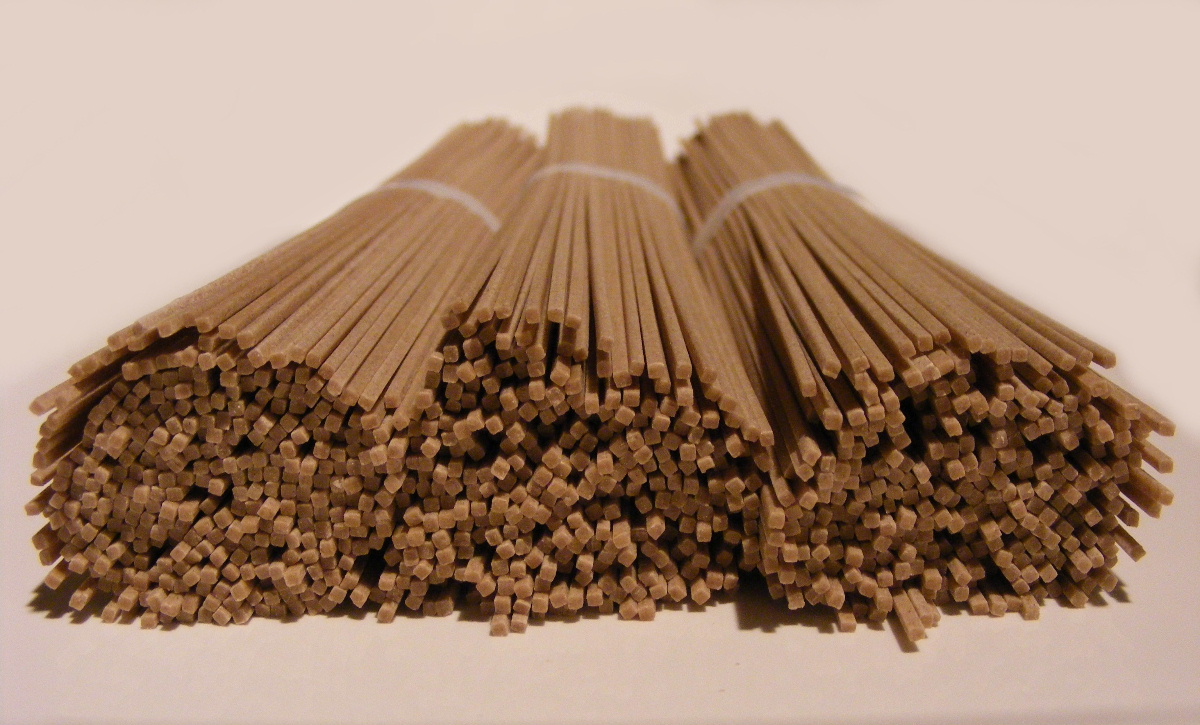 SobaVegan蕎麦
🇯🇵 Japan and 1 moreJapanese noodles made from buckwheat, served hot in broth or cold with dipping sauce
Noodle or pasta dish, Lunch, Dinner
SobaVegan蕎麦
🇯🇵 Japan and 1 moreJapanese noodles made from buckwheat, served hot in broth or cold with dipping sauce
Noodle or pasta dish, Lunch, Dinner
 AkaraVeganàkàrà
🇳🇬 Nigeria and 5 moreWest African bean fritters, deep-fried and eaten hot as street food or breakfast
Street food, Breakfast, Snacks
AkaraVeganàkàrà
🇳🇬 Nigeria and 5 moreWest African bean fritters, deep-fried and eaten hot as street food or breakfast
Street food, Breakfast, Snacks
 CoxinhaMeat
🇧🇷 BrazilBrazilian teardrop-shaped snack of dough filled with spiced chicken and fried
Street food, Snacks
CoxinhaMeat
🇧🇷 BrazilBrazilian teardrop-shaped snack of dough filled with spiced chicken and fried
Street food, Snacks
 ParmigianaVegetarian
🇮🇹 Italy and 5 moreEggplant slices fried, layered with cheese and tomato sauce, then baked
Main dish, Lunch, Dinner
ParmigianaVegetarian
🇮🇹 Italy and 5 moreEggplant slices fried, layered with cheese and tomato sauce, then baked
Main dish, Lunch, Dinner
 SfihaMeatصَفِيحَة
🇱🇧 Lebanon and 5 moreLevantine flatbread with a seasoned minced meat topping
Main dish, Lunch, Dinner
SfihaMeatصَفِيحَة
🇱🇧 Lebanon and 5 moreLevantine flatbread with a seasoned minced meat topping
Main dish, Lunch, Dinner
 Açaí na tigelaVegan
🇧🇷 Brazil and 2 moreFrozen açaí pulp blended and served in a bowl with sweet toppings
Sweet or dessert, Snacks
Açaí na tigelaVegan
🇧🇷 Brazil and 2 moreFrozen açaí pulp blended and served in a bowl with sweet toppings
Sweet or dessert, Snacks
 ChoripánMeat
🇦🇷 Argentina and 5 moreGrilled chorizo sausage in crusty bread, often topped with sauce
Sandwich or wrap, Snacks, Lunch
ChoripánMeat
🇦🇷 Argentina and 5 moreGrilled chorizo sausage in crusty bread, often topped with sauce
Sandwich or wrap, Snacks, Lunch
 Salteña
🇧🇴 Bolivia and 1 moreBolivian baked empanada with a juicy, mildly spicy filling
Pie or savoury pastry, Breakfast, Snacks
Salteña
🇧🇴 Bolivia and 1 moreBolivian baked empanada with a juicy, mildly spicy filling
Pie or savoury pastry, Breakfast, Snacks
 completoMeat
🇨🇱 Chile and 1 moreA Chilean hot dog loaded with tomato, avocado, mayonnaise and other toppings
Street food, Lunch, Dinner
completoMeat
🇨🇱 Chile and 1 moreA Chilean hot dog loaded with tomato, avocado, mayonnaise and other toppings
Street food, Lunch, Dinner
 FishcakeFish or seafood
🇯🇵 Japan and 5 moreMinced fish mixed with starch, shaped and cooked as patties or balls
Main dish, Snacks, Lunch
FishcakeFish or seafood
🇯🇵 Japan and 5 moreMinced fish mixed with starch, shaped and cooked as patties or balls
Main dish, Snacks, Lunch
 Pastel
🇧🇷 Brazil and 5 moreA name for many pastries, pies, and filled snacks across Latin America and beyond
Pie or savoury pastry, Snacks, Lunch
Pastel
🇧🇷 Brazil and 5 moreA name for many pastries, pies, and filled snacks across Latin America and beyond
Pie or savoury pastry, Snacks, Lunch
 Acarajé
🇧🇷 Brazil and 3 moreBlack-eyed pea fritters fried in palm oil and stuffed with spicy pastes
Street food, Snacks, Lunch
Acarajé
🇧🇷 Brazil and 3 moreBlack-eyed pea fritters fried in palm oil and stuffed with spicy pastes
Street food, Snacks, Lunch
Photo credits on this page
The small pictures above come from Wikimedia Commons under free licences. Some are cropped to fit.
- Steak tartare: Dr. Bernd Gross, CC BY-SA 4.0, source
- Coxinha: Horacio Cambeiro, CC BY-SA 3.0, source
- Acarajé: Claudia Baiana, Public domain, source
- Akara: AkinkuotuFunmi, CC BY-SA 4.0, source
- Choripán: Horacio Cambeiro, CC BY 3.0, source
- Açaí na tigela: Túllio F, CC BY-SA 4.0, source
- Soba: FotoosVanRobin, CC BY-SA 2.0, source
- Chorizo: Asturnut ( talk ), CC BY-SA 3.0, source
- Salteña: EEJCC, CC BY-SA 4.0, source
- completo: Paul Lowry, CC BY 2.0, source
- Kibbeh: Bazel, CC BY-SA 3.0, source
- Churro: Garry Knight, CC BY-SA 2.0, source
- Parmigiana: Flickr.com user "Blue Lotus", CC BY 2.0, source
- Sfiha: Bazel, Public domain, source
- Fishcake: Jon Sullivan, Public domain, source
- Pastel: BuenosAiresPhotographer, CC BY-SA 2.0, source