🇲🇳 The food of Mongolia
6 dishes from Mongolia, best known first, across 1 city or region.
Mongolian cooking centers on meat and dairy, shaped by a harsh climate and nomadic life. Sheep, cattle, and horses provide most of the food, while vegetables and spices are rare. Dishes are simple and filling, with Chinese and Russian touches seen in dumplings and vodka.
- Mutton is the most common rural dish.
- Airag is fermented mare's milk, a national drink.
- Buuz are steamed meat dumplings, popular in cities.
- Khorkhog uses hot stones to cook meat on special days.
- Vodka is widely consumed, reflecting Russian influence.
The cooking of Mongolia
Mongolian cuisine is grounded in the needs of a nomadic people living in a cold, dry land. Meals rely on what herders can get from their animals: meat, milk, and fat. Flavors are plain and hearty, with little use of spices or vegetables. Cooking is practical, often using a single pot over a stove fueled by wood or dried dung. Chinese and Russian influences show in dumplings and spirits, but the core remains the food of the steppe. Preservation methods like drying meat and fermenting milk help people get through long winters.
Staple foods in Mongolia
Sheep are the main source of both meat and milk, but cattle, goats, yaks, camels, and horses are also important. Mutton is the most common meat, often simply boiled. Dairy is everywhere: clotted cream, cheese, dried curds, and yogurt. Flour is used for dumplings, noodles, and flatbreads. Barley is the main grain, eaten as porridge or in tea. Vegetables are rare and usually limited to potatoes and carrots in wealthier homes.
Snacks and street food in Mongolia
Snacks include boortsog, a fried dough shaped into triangles or balls, eaten especially on special days. Dried curds and cheese are also common as portable snacks for herders.
Sweets and drinks in Mongolia
Sweets are simple, like boortsog, which is a biscuit or cookie. Airag, a mildly alcoholic drink made from fermented mare's milk, is the national beverage. Salted milk tea, sometimes thickened with rice or meat, is common. Vodka, especially local brands, is popular due to Russian influence.
From region to region in Mongolia
Northern Mongolian food shows more Chinese influence, with dishes like lamb dumplings and fancy breads. In contrast, southern regions closer to China eat more fish, rice, pork, and vegetables. Rural areas stick closely to meat and dairy, while cities like Ulaanbaatar offer more variety, including steamed dumplings and noodle dishes.
At the table in Mongolia
Meals are often shared in a ger, the traditional round tent. Hospitality is important, with guests offered food and drink, sometimes even at the expense of the host. Food is cooked in a single pot, and eating together is a sign of respect and community. Simple roadside gers serve travelers along major routes.
Festival and religious food in Mongolia
Special occasions call for unique dishes like khorkhog, where meat and vegetables are cooked with hot stones in a sealed container, or boodog, cooked inside a deboned animal. Khuushuur, a deep-fried dumpling, is especially popular during the Naadam festival.
The facts in this overview come from the Wikipedia article "Mongolian cuisine", written by its contributors and used under the CC BY-SA 4.0 licence. Thali rewrote the text in its own words, with AI assistance, and compares every page with the article to make sure no passage is copied. It may be reused under the same CC BY-SA 4.0 licence with a link back.
Cities and regions of Mongolia
 Boortsog
🇰🇿 Kazakhstan and 5 moreGolden fried dough pieces from Central Asia and Mongolia, often served with tea or honey
Sweet or dessert, Snacks, Tea time
Boortsog
🇰🇿 Kazakhstan and 5 moreGolden fried dough pieces from Central Asia and Mongolia, often served with tea or honey
Sweet or dessert, Snacks, Tea time
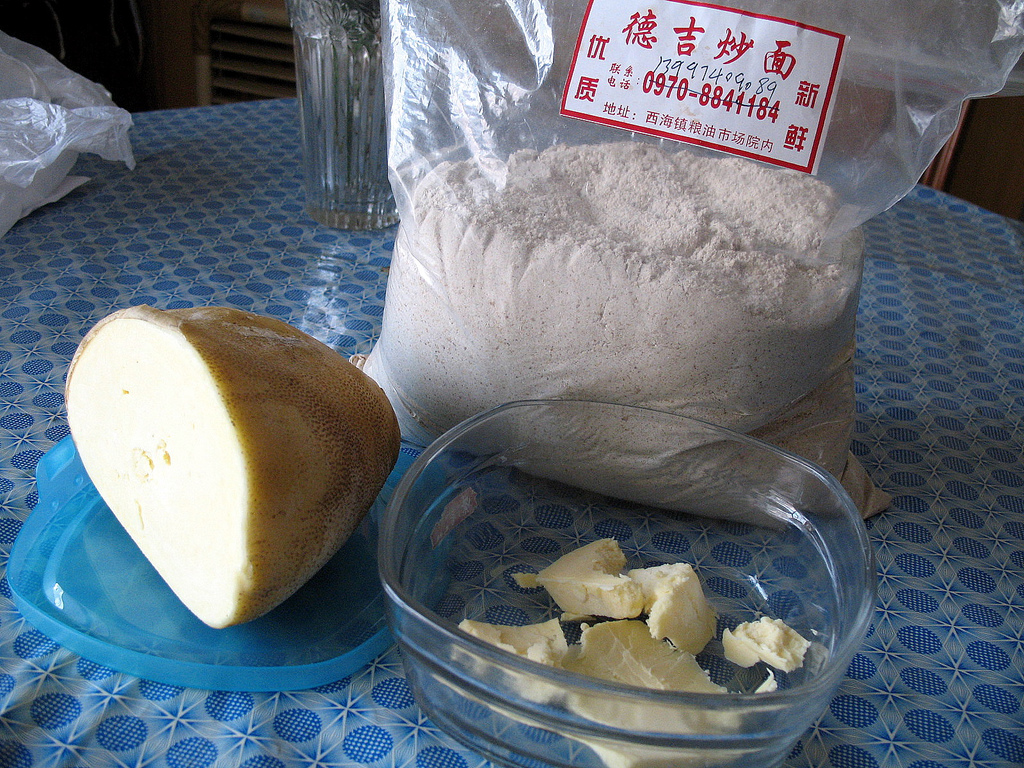 TsampaVegetarianརྩམ་པ་
🇳🇵 Nepal and 1 moreRoasted barley flour mixed with tea or water, a staple in Tibet and the Himalayas
Main dish, Breakfast, Lunch
TsampaVegetarianརྩམ་པ་
🇳🇵 Nepal and 1 moreRoasted barley flour mixed with tea or water, a staple in Tibet and the Himalayas
Main dish, Breakfast, Lunch
Photo credits on this page
The small pictures above come from Wikimedia Commons under free licences. Some are cropped to fit.
- Boortsog: Brücke-Osteuropa, Public domain, source
- Tsampa: jqn, CC BY-SA 2.0, source