
Akuri
Parsi-style scrambled eggs with spices and fried onions
Akuri is a spiced scrambled egg dish from the Parsi community in western India. The eggs are cooked gently so they stay soft, and are mixed with fried onions, ginger, coriander, chilies, and black pepper. Akuri is often served with Indian breads and enjoyed at breakfast or as a snack.
- Eggs are kept soft and never overcooked
- Spiced with fried onions, ginger, coriander, and chilies
- Often eaten with Indian breads at breakfast
- Bharuchi Akuri adds nuts and dried fruit
- Distinct from egg bhurji but similar in style
What is Akuri?
Akuri is a dish of eggs scrambled with a mix of spices and fried onions, popular in Parsi homes. The eggs are cooked just enough to stay moist and creamy. The flavor comes from onions browned in oil, along with ginger, coriander seed, fresh chilies, and black pepper. Turmeric is sometimes added for color and aroma. Akuri is usually paired with a soft bread, making it a hearty and spicy meal.
Where does Akuri come from?
Akuri has its roots in the Parsi community, who settled in western India after leaving Iran. The dish reflects both Indian and Iranian influences, using local spices and cooking techniques. A special version, called Bharuchi Akuri, is said to come from Bharuch in Gujarat and includes nuts and dried fruits. Over time, Akuri has become a signature breakfast or snack among Parsis.
How is Akuri made?
To make Akuri, onions are first fried until golden. Spices like ginger, coriander seed, chopped chilies, and black pepper are added. Eggs are then stirred in and gently scrambled, so they remain soft and slightly runny. The mixture is cooked just enough to hold together but not dry out. Some versions include turmeric for color. Bharuchi Akuri adds nuts and dried fruit at this stage.

How and when is Akuri eaten?
Akuri is most often eaten in the morning or as a light meal. It is commonly served with soft Indian breads, which are used to scoop up the eggs. The dish is enjoyed both at home and in Parsi cafés. Its spicy and aromatic taste makes it a favorite for those who like bold flavors in their breakfast or snack.
Kinds of Akuri
Bharuchi Akuri is a notable variant, named after the city of Bharuch. This version adds cashew, almond, and raisin to the spiced eggs, giving it a richer taste and texture. While Akuri is unique to Parsi cooking, it is sometimes compared to egg bhurji, a similar scrambled egg dish found across India, though each has its own distinct flavor.
What Akuri means
Akuri is closely tied to Parsi food traditions and is a familiar comfort in their daily meals. It is not reserved for festivals or religious events but is a staple of everyday life. The dish is also a symbol of the Parsi community's culinary heritage, blending influences from their Persian roots and Indian surroundings.
Questions people ask about Akuri
What is Akuri made of?
Akuri is made from eggs scrambled with fried onions, ginger, coriander, chilies, black pepper, and sometimes turmeric. Some versions include nuts and dried fruit.
Where does Akuri come from?
Akuri is a specialty of the Parsi community in western India, with influences from Iranian cuisine. It is especially associated with regions like Gujarat and cities such as Bharuch.
How is Akuri different from egg bhurji?
While both are spiced scrambled egg dishes, Akuri is known for its creamy, soft texture and specific use of Parsi-style seasonings. Egg bhurji is similar but has a different taste and is found more widely across India.
When is Akuri usually eaten?
Akuri is typically enjoyed at breakfast or as a snack. It is a common everyday dish in Parsi households.
What is served with Akuri?
Akuri is most often served with soft Indian breads, which are used to scoop up the eggs and spices.
Good reading and sources
The facts on this page come from the Wikipedia article "Akuri", written by its contributors and used under the CC BY-SA 4.0 licence, and from its Wikidata record (CC0). Thali rewrote the text in its own words, with AI assistance, and compares every page with the article to make sure no passage is copied. It may be reused under the same CC BY-SA 4.0 licence with a link back.
It may contain mistakes, and it is not dietary or allergy advice: recipes differ from cook to cook. If something is wrong, tell us. Last refreshed 2026-10-03.
More from India
All the food of India Kebabكَبَاب
🇹🇷 Turkey and 5 moreGrilled or roasted meat, often on skewers, found across the Middle East and beyond
Main dish, Lunch, Dinner
Kebabكَبَاب
🇹🇷 Turkey and 5 moreGrilled or roasted meat, often on skewers, found across the Middle East and beyond
Main dish, Lunch, Dinner
 Biryani
🇮🇳 India and 5 moreRice and spiced meat or vegetables layered and cooked together
Main dish, Lunch, Dinner
Biryani
🇮🇳 India and 5 moreRice and spiced meat or vegetables layered and cooked together
Main dish, Lunch, Dinner
 French toast
🇫🇷 France and 5 moreBread soaked in egg and milk, pan-fried and served sweet or savoury
Main dish, Breakfast, Snacks
French toast
🇫🇷 France and 5 moreBread soaked in egg and milk, pan-fried and served sweet or savoury
Main dish, Breakfast, Snacks
 Fish and chipsFish or seafood
🇬🇧 United Kingdom and 8 moreBattered fried fish served hot with thick-cut chips
Main dish, Lunch, Dinner
Fish and chipsFish or seafood
🇬🇧 United Kingdom and 8 moreBattered fried fish served hot with thick-cut chips
Main dish, Lunch, Dinner
Its cousins elsewhere
All main dishes BaltiMeatبالٹی گوشت
🇬🇧 United KingdomA British curry cooked quickly in a thin steel wok called a balti bowl
Main dish, Dinner
BaltiMeatبالٹی گوشت
🇬🇧 United KingdomA British curry cooked quickly in a thin steel wok called a balti bowl
Main dish, Dinner
 Hot dogMeat
🇺🇸 United States and 2 moreA sausage in a sliced bun, topped with condiments and eaten hot
Street food, Lunch, Dinner
Hot dogMeat
🇺🇸 United States and 2 moreA sausage in a sliced bun, topped with condiments and eaten hot
Street food, Lunch, Dinner
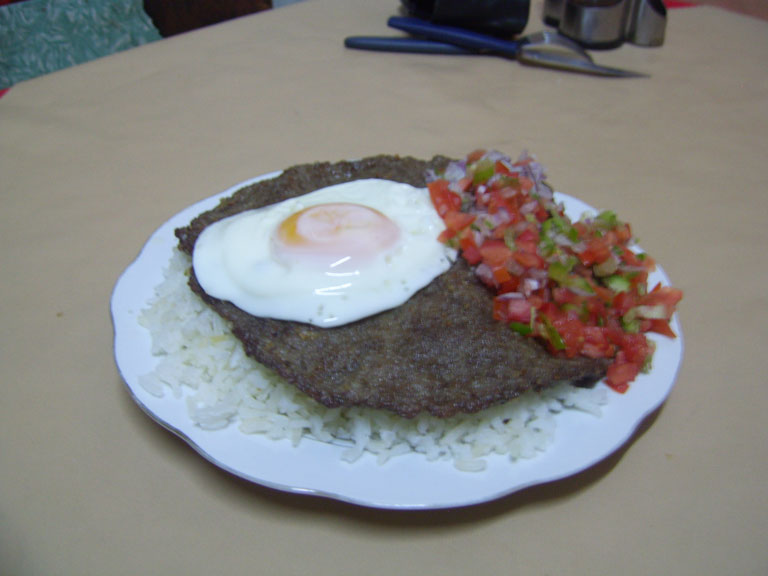 SilpanchoMeatSillp'anchu
🇧🇴 BoliviaLayered Bolivian meal with rice, potatoes, breaded meat, and fried eggs
Main dish, Lunch, Dinner
Ta'ameyaVeganطعمية
🇪🇬 EgyptEgyptian fritters of fava beans and herbs, deep-fried and eaten in pita sandwiches
Street food, Breakfast, Lunch
SilpanchoMeatSillp'anchu
🇧🇴 BoliviaLayered Bolivian meal with rice, potatoes, breaded meat, and fried eggs
Main dish, Lunch, Dinner
Ta'ameyaVeganطعمية
🇪🇬 EgyptEgyptian fritters of fava beans and herbs, deep-fried and eaten in pita sandwiches
Street food, Breakfast, Lunch