
Balut
A fertilized duck egg incubated, then boiled and eaten from the shell
Balut is a fertilized duck egg incubated for 14 to 21 days, then boiled or steamed and eaten straight from the shell. It is a common street food in the Philippines, Vietnam, and Cambodia, where it is seasoned with salt, vinegar, or pepper. Balut is valued for its mix of textures and flavors and is often eaten as a snack or appetizer.
- Balut is a fertilized duck egg incubated for 14–21 days, then boiled
- It is eaten directly from the shell, often with salt or vinegar
- Pateros in the Philippines is famous for its balut production
- Balut is a common street food in the Philippines, Vietnam, and Cambodia
- Texture and flavor depend on the age of the embryo
What is Balut?
Balut is a fertilized duck egg that has been incubated for about two to three weeks, then boiled or steamed. The egg contains a partially developed duck embryo, which may range from mostly liquid to having visible features like beak and feathers, depending on incubation time. The dish is eaten directly from the shell, often with salt or vinegar. The texture can vary from creamy yolk to tender, soft bones, and the flavor is described as rich, savory, and slightly gamey. The broth inside is usually sipped first, followed by the yolk and embryo.
Where does Balut come from?
Balut is most closely associated with the Philippines, where it is considered a national food and a part of everyday culture. The practice of eating fertilized duck eggs was introduced to the Philippines by Chinese traders in the 16th century and has since become localized. Balut is also popular in Vietnam, Cambodia, and other parts of Southeast Asia. The city of Pateros in the Philippines is especially known for its balut production, thanks to its duck-raising industry.
How is Balut made?
To make balut, fertilized duck eggs are incubated for 14 to 21 days, depending on local preference. The eggs are kept warm, often in baskets or buried in sand, to allow the embryo to develop. Once the desired stage is reached, the eggs are boiled or steamed. The cooking process changes the texture of the yolk and embryo, making the bones soft enough to eat. Balut is usually sold and eaten while still warm, sometimes straight from buckets of sand used to retain heat.


How and when is Balut eaten?
Balut is commonly eaten as a snack or street food, especially in the evening. In the Philippines, it is typically seasoned with salt or a mix of chili, garlic, and vinegar. In Vietnam and Cambodia, it may be served with pepper, lime, or ginger. The broth inside the egg is sipped first, then the rest is eaten with or without the tough white albumen. Balut can also be found as an appetizer in restaurants, or used in omelets and pastries.
Kinds of Balut
The length of incubation and seasoning varies by country. In the Philippines, balut is usually incubated for 14 to 18 days. Cambodian pong tea khon is incubated for 18 to 20 days, while Vietnamese trứng vịt lộn is left for up to 21 days, resulting in a more developed embryo. Some prefer balut with a less developed, more liquid embryo, while others seek a firmer texture. In China, similar dishes exist under different names.
What Balut means
Balut is deeply woven into Filipino identity and is commonly sold by street vendors, especially in the evenings. It is seen as an affordable source of protein and calcium. In Vietnam, it is believed to be nutritious and restorative, especially for pregnant women. Balut is sometimes viewed as a test of daring for newcomers, and its consumption has sparked ethical debates due to the presence of the developing embryo. Despite its popularity, balut consumption has declined in some areas as tastes change.
Questions people ask about Balut
What is balut made of?
Balut is made from a fertilized duck egg that has been incubated for 14 to 21 days, containing a developing duck embryo. It is then boiled or steamed and eaten from the shell, often with salt or vinegar.
Where does balut come from?
Balut is most closely associated with the Philippines, where it is a popular street food. It is also commonly eaten in Vietnam, Cambodia, and other parts of Southeast Asia.
How is balut eaten?
Balut is eaten directly from the shell. The broth inside is usually sipped first, then the yolk and embryo are eaten, often seasoned with salt, vinegar, or pepper. It is usually served warm.
What does balut taste like?
Balut has a combination of savory, gamey, and rich flavors. The texture varies from creamy yolk to tender, soft bones, depending on the stage of incubation.
Is balut safe to eat?
Balut is safe to eat when properly cooked. If not cooked correctly, it can cause vomiting or spoilage, so it should be eaten while still warm and fresh.
Good reading and sources
The facts on this page come from the Wikipedia article "Balut (food)", written by its contributors and used under the CC BY-SA 4.0 licence, and from its Wikidata record (CC0). Thali rewrote the text in its own words, with AI assistance, and compares every page with the article to make sure no passage is copied. It may be reused under the same CC BY-SA 4.0 licence with a link back.
It may contain mistakes, and it is not dietary or allergy advice: recipes differ from cook to cook. If something is wrong, tell us. Last refreshed 2026-10-03.
More from the Philippines
All the food of the Philippines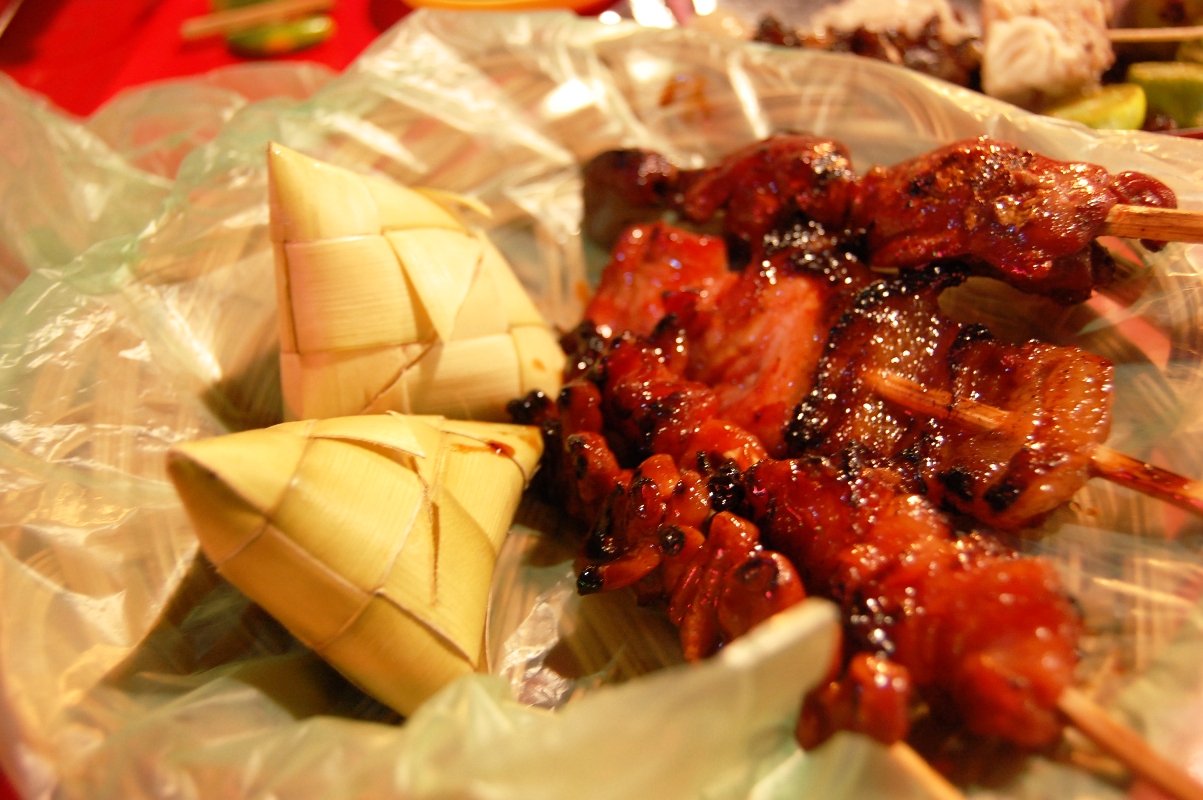 Inihaw
🇵🇭 PhilippinesGrilled meats and seafood, often on skewers, from the Philippines
Main dish, Lunch, Dinner
Inihaw
🇵🇭 PhilippinesGrilled meats and seafood, often on skewers, from the Philippines
Main dish, Lunch, Dinner
 BreadfruitVegan
🇵🇭 Philippines and 4 moreLarge tropical fruit cooked as a starchy staple in many island cuisines
Main dish, Lunch, Dinner
BreadfruitVegan
🇵🇭 Philippines and 4 moreLarge tropical fruit cooked as a starchy staple in many island cuisines
Main dish, Lunch, Dinner
 Udonうどん / 饂飩
🇯🇵 Japan and 4 moreThick wheat noodles served hot or cold in Japanese cooking
Noodle or pasta dish, Lunch, Dinner
Udonうどん / 饂飩
🇯🇵 Japan and 4 moreThick wheat noodles served hot or cold in Japanese cooking
Noodle or pasta dish, Lunch, Dinner
 ChorizoMeat
🇪🇸 Spain and 5 moreA seasoned pork sausage from the Iberian Peninsula, made in many regional styles
Sausage or cured food, Breakfast, Lunch
ChorizoMeat
🇪🇸 Spain and 5 moreA seasoned pork sausage from the Iberian Peninsula, made in many regional styles
Sausage or cured food, Breakfast, Lunch
Its cousins elsewhere
All street food French friesVeganpommes frites
🇫🇷 France and 5 moreDeep-fried strips of potato, served hot and salted
Street food, Lunch, Dinner
French friesVeganpommes frites
🇫🇷 France and 5 moreDeep-fried strips of potato, served hot and salted
Street food, Lunch, Dinner
 Crêpe
🇫🇷 FranceThin French pancakes, served sweet or savoury with a range of fillings
Main dish, Breakfast, Lunch
Crêpe
🇫🇷 FranceThin French pancakes, served sweet or savoury with a range of fillings
Main dish, Breakfast, Lunch
 Dabo koloVegetarianዳቦ ቆሎ
🇪🇹 Ethiopia and 2 moreSmall spiced fried dough pieces served as a snack in Ethiopia and Eritrea
Street food, Snacks
Dabo koloVegetarianዳቦ ቆሎ
🇪🇹 Ethiopia and 2 moreSmall spiced fried dough pieces served as a snack in Ethiopia and Eritrea
Street food, Snacks
 KebapcheMeatкебапче
🇧🇬 BulgariaGrilled minced meat shaped like a sausage, a staple in Bulgaria
Grill or roast, Lunch, Dinner
KebapcheMeatкебапче
🇧🇬 BulgariaGrilled minced meat shaped like a sausage, a staple in Bulgaria
Grill or roast, Lunch, Dinner