
Crêpe
Thin French pancakes, served sweet or savoury with a range of fillings
Crêpes are thin pancakes made from a simple batter of flour, milk, eggs, and butter, cooked quickly on a hot pan or griddle. Originating in France, they come in sweet and savoury forms and are enjoyed with a wide variety of fillings, from fruit and cream to cheese and meats. Crêpes are eaten for breakfast, dessert, or as a snack, and feature in both everyday meals and special occasions like Candlemas.
- Crêpes are made from a thin batter of flour, milk, eggs, and butter
- They can be filled with sweet or savoury ingredients
- In France, crêpes are traditional for La Chandeleur (Candlemas)
- Sweet crêpes use wheat flour, while savoury galettes may use buckwheat
- Crêpes Suzette are flambéed with orange liqueur
What is Crêpe?
A crêpe is a very thin pancake, made from a loose batter of wheat flour, milk, eggs, and butter. The batter is poured onto a hot, greased pan or griddle and spread into a thin layer, then cooked briefly on each side. Crêpes can be sweet or savoury. Sweet versions often have sugar in the batter and are filled with ingredients like fruit, whipped cream, chocolate spread, or jam. Savoury crêpes may use less or no sugar and can be filled with cheese, ham, eggs, or vegetables. The finished crêpe is soft and flexible, sometimes folded or rolled around its filling.
Where does Crêpe come from?
Crêpes have their roots in France, with the name coming from the Latin word 'crispa', meaning curled or wrinkled. The tradition of making and eating crêpes is especially strong in France, where they are linked to the Christian holiday of La Chandeleur (Candlemas) on February 2. On this day, crêpes symbolize the sun and the return of spring. The custom of flipping crêpes while holding a coin is said to bring good luck. Over time, crêpes have spread to many countries, each adapting the dish to local tastes.
How is Crêpe made?
To make crêpes, flour, eggs, milk, and a bit of melted butter are mixed into a smooth, runny batter. Sugar and salt are added depending on whether the crêpes will be sweet or savoury. The batter is ladled onto a hot, greased pan and quickly spread thin. Each crêpe cooks for less than a minute per side, just until golden. Fillings are placed in the center, and the crêpe is folded or rolled before serving. Some versions, like crêpes Suzette, are flambéed with liqueur at the table.


How and when is Crêpe eaten?
Crêpes are eaten at any meal, from breakfast to dessert, and are also a popular snack. In France, they are often enjoyed at crêperies, which can be casual stalls or sit-down restaurants. Sweet crêpes might be filled with jam, chocolate, or fruit, while savoury ones are filled with cheese, ham, eggs, or vegetables. On La Chandeleur, families gather to make and eat crêpes together. In some places, crêpes are eaten with cider or coffee.
Kinds of Crêpe
Crêpes come in many forms. Sweet crêpes use wheat flour and sugar, while savoury versions (sometimes called galettes) may use buckwheat flour and omit sugar. Regional and international versions include mille-crêpes cakes, which are stacks of crêpes layered with cream, and crêpes Suzette, flambéed with orange liqueur. Around the world, similar thin pancakes appear under different names, often with local fillings and flours.
What Crêpe means
In France, crêpes are closely linked to Candlemas, with customs and proverbs promising happiness or luck to those who make them. The round, golden crêpe is seen as a symbol of the sun and renewal. Crêperies are a fixture in French towns, especially in Brittany. Crêpes have inspired similar dishes in many cultures, and are now enjoyed worldwide, from Japanese street stalls to Latin American cafés.
Questions people ask about Crêpe
What are crêpes made of?
Crêpes are made from a batter of wheat flour, milk, eggs, butter, and sometimes sugar or salt. The batter is poured thinly onto a hot pan and cooked quickly on both sides.
Where do crêpes come from?
Crêpes come from France. They have a long tradition there and are especially associated with the festival of La Chandeleur.
Are crêpes sweet or savoury?
Crêpes can be both. Sweet crêpes often contain sugar and are filled with fruit, jam, or chocolate, while savoury crêpes (sometimes called galettes) may use less or no sugar and are filled with cheese, ham, eggs, or vegetables.
When are crêpes usually eaten?
Crêpes are eaten at breakfast, lunch, dinner, as a snack, or dessert. In France, they are especially popular on La Chandeleur, but are also enjoyed year-round.
What is special about crêpes on La Chandeleur?
On La Chandeleur (Candlemas), French families make and eat crêpes together. Traditions include flipping crêpes while holding a coin for good luck, and the crêpe's round shape is seen as a symbol of the sun and the coming spring.
Good reading and sources
The facts on this page come from the Wikipedia article "Crêpe", written by its contributors and used under the CC BY-SA 4.0 licence, and from its Wikidata record (CC0). Thali rewrote the text in its own words, with AI assistance, and compares every page with the article to make sure no passage is copied. It may be reused under the same CC BY-SA 4.0 licence with a link back.
It may contain mistakes, and it is not dietary or allergy advice: recipes differ from cook to cook. If something is wrong, tell us. Last refreshed 2026-10-03.
More from France
All the food of France Ice cream
🇺🇸 United States and 5 moreA frozen dessert made from sweetened, flavoured milk or cream
Sweet or dessert, Snacks
Ice cream
🇺🇸 United States and 5 moreA frozen dessert made from sweetened, flavoured milk or cream
Sweet or dessert, Snacks
 French friesVeganpommes frites
🇫🇷 France and 5 moreDeep-fried strips of potato, served hot and salted
Street food, Lunch, Dinner
French friesVeganpommes frites
🇫🇷 France and 5 moreDeep-fried strips of potato, served hot and salted
Street food, Lunch, Dinner
 Candy
🇺🇸 United States and 5 moreSmall sweet treats made mainly from sugar or sweeteners
Sweet or dessert, Snacks
Candy
🇺🇸 United States and 5 moreSmall sweet treats made mainly from sugar or sweeteners
Sweet or dessert, Snacks
 RatatouilleVegan
🇫🇷 FranceA Provençal stew of summer vegetables cooked in olive oil
Main dish, Lunch, Dinner
RatatouilleVegan
🇫🇷 FranceA Provençal stew of summer vegetables cooked in olive oil
Main dish, Lunch, Dinner
Its cousins elsewhere
All main dishes Bliniблины
🇷🇺 Russia and 3 moreThin Russian pancakes made with yeast or unyeasted batter
Main dish, Breakfast, Lunch
Bliniблины
🇷🇺 Russia and 3 moreThin Russian pancakes made with yeast or unyeasted batter
Main dish, Breakfast, Lunch
 Cachapa
🇻🇪 VenezuelaVenezuelan corn pancakes often filled with cheese and served hot
Main dish, Breakfast, Snacks
Cachapa
🇻🇪 VenezuelaVenezuelan corn pancakes often filled with cheese and served hot
Main dish, Breakfast, Snacks
 Pancake
🇺🇸 United States and 5 moreFlat cakes made from batter, cooked on a griddle or pan and served sweet or savoury
Main dish, Breakfast, Snacks
Pancake
🇺🇸 United States and 5 moreFlat cakes made from batter, cooked on a griddle or pan and served sweet or savoury
Main dish, Breakfast, Snacks
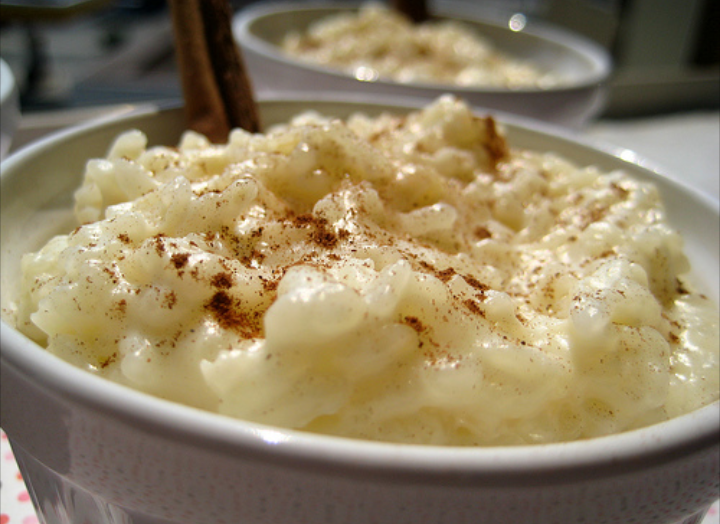 Rice pudding
🇮🇳 India and 4 moreSweetened rice cooked in milk, found in many forms worldwide
Sweet or dessert, Breakfast, Lunch
Rice pudding
🇮🇳 India and 4 moreSweetened rice cooked in milk, found in many forms worldwide
Sweet or dessert, Breakfast, Lunch