
Banitsa
In its own language: баница
Bulgarian pastry with layers of filo, eggs, yogurt, and white cheese
Banitsa is a classic Bulgarian pie made by layering whisked eggs, yogurt, and white brined cheese between thin sheets of filo pastry, then baking it. Eaten hot or cold, it is a staple for breakfast and festive occasions. Banitsa is closely tied to Bulgarian traditions, especially during New Year celebrations.
- Banitsa is a signature pastry of Bulgaria, eaten hot or cold
- It is made by layering eggs, yogurt, and white cheese between filo sheets
- On New Year's Eve, charms or wishes are hidden inside for good luck
- Varieties include spinach, pumpkin, apple, and even meat fillings
- Banitsa is often served for breakfast with yogurt or ayran
What is Banitsa?
Banitsa is a layered pastry from Bulgaria, made by stacking thin sheets of filo dough with a filling of eggs, plain yogurt, and crumbled white brined cheese such as sirene. The pastry is baked until golden, resulting in a crisp top and a soft, rich interior. It can be served hot or cold, and is often enjoyed with yogurt or drinks like ayran or boza. The taste is tangy and savory, with a flaky texture from the filo and a creamy, salty filling.
Where does Banitsa come from?
Banitsa is a hallmark of Bulgarian cuisine, with its name coming from a South Slavic word meaning 'to fold.' The dish is also found in neighboring regions, including southeastern Serbia and North Macedonia, sometimes under other names like gibanica or milina. Its roots are closely tied to Bulgarian traditions and holidays, especially New Year's Eve and Christmas, when it is prepared with hidden charms for good luck.
How is Banitsa made?
To make banitsa, thin sheets of filo pastry are layered in a greased baking dish, each brushed with sunflower oil or melted butter and sprinkled with a mixture of whisked eggs, yogurt, and white cheese. After half the sheets are used, a larger portion of filling is added, then the rest of the sheets and filling are layered on top. The whole is baked until golden. Some versions roll the filled sheets and coil them in a spiral before baking.
How and when is Banitsa eaten?
Banitsa is most often eaten for breakfast, but it can also be enjoyed as a snack at any time. It is commonly served with plain yogurt, ayran (a yogurt drink), or boza (a fermented beverage). On festive occasions, especially New Year's Eve, banitsa is shared among family members, each receiving a piece that may contain a hidden charm or wish for the coming year.
Kinds of Banitsa
Many regional and seasonal versions of banitsa exist. Fillings can include spinach (spanachnik), leeks (praznik), onions (luchnik), or a mix of greens (zelnik). Sweet types use pumpkin (tikvenik), apples (shtrudel), or just walnuts, sugar, and cinnamon. Some recipes add rice, minced meat, or mushrooms. The dough can be homemade or store-bought, and some versions use leavened sheets.
What Banitsa means
Banitsa is more than food in Bulgaria; it is a symbol of home and tradition, especially during holidays. On New Year's Eve and Christmas, it is customary to hide charms or wishes inside, and the way pieces are distributed is part of the celebration. The dish also appears in everyday language as a metaphor for something creased or worn. Banitsa is a source of national pride and a centerpiece at family gatherings.
When Banitsa is on the table
Questions people ask about Banitsa
What is banitsa made of?
Banitsa is made from thin sheets of filo pastry layered with a filling of whisked eggs, plain yogurt, and crumbled white brined cheese. Sunflower oil or melted butter is used between the layers before baking.
Where does banitsa come from?
Banitsa is a traditional pastry from Bulgaria. It is also found in parts of Serbia and North Macedonia, but it is most closely associated with Bulgarian cuisine and customs.
When is banitsa usually eaten?
Banitsa is commonly eaten for breakfast, but it can also be enjoyed as a snack. It is especially popular during festive occasions like New Year's Eve and Christmas in Bulgaria.
Are there different types of banitsa?
Yes, there are many variations. Some use spinach, leeks, onions, or a mix of greens. Sweet versions include pumpkin, apple, or walnut fillings. Some recipes add rice, meat, or mushrooms.
What special customs are linked to banitsa?
On New Year's Eve and Christmas, charms or written wishes are hidden inside the banitsa. Each person receives a piece, and the charm or wish inside is believed to predict good fortune for the coming year.
Good reading and sources
The facts on this page come from the Wikipedia article "Banitsa", written by its contributors and used under the CC BY-SA 4.0 licence, and from its Wikidata record (CC0). Thali rewrote the text in its own words, with AI assistance, and compares every page with the article to make sure no passage is copied. It may be reused under the same CC BY-SA 4.0 licence with a link back.
It may contain mistakes, and it is not dietary or allergy advice: recipes differ from cook to cook. If something is wrong, tell us. Last refreshed 2026-10-03.
More from Bulgaria
All the food of Bulgaria Börek
🇹🇷 Turkey and 5 moreFlaky pastry filled with cheese, meat or vegetables, baked or fried
Pie or savoury pastry, Breakfast, Lunch
Börek
🇹🇷 Turkey and 5 moreFlaky pastry filled with cheese, meat or vegetables, baked or fried
Pie or savoury pastry, Breakfast, Lunch
 Chocolate cakeVegetarian
🇺🇸 United States and 5 moreCake made with chocolate or cocoa, often layered or topped with icing
Sweet or dessert, Tea time, Snacks
Chocolate cakeVegetarian
🇺🇸 United States and 5 moreCake made with chocolate or cocoa, often layered or topped with icing
Sweet or dessert, Tea time, Snacks
 AshureVeganAşure
🇹🇷 Turkey and 3 moreSweet porridge of grains, dried fruits and nuts shared for festivals and remembrance
Sweet or dessert
AshureVeganAşure
🇹🇷 Turkey and 3 moreSweet porridge of grains, dried fruits and nuts shared for festivals and remembrance
Sweet or dessert
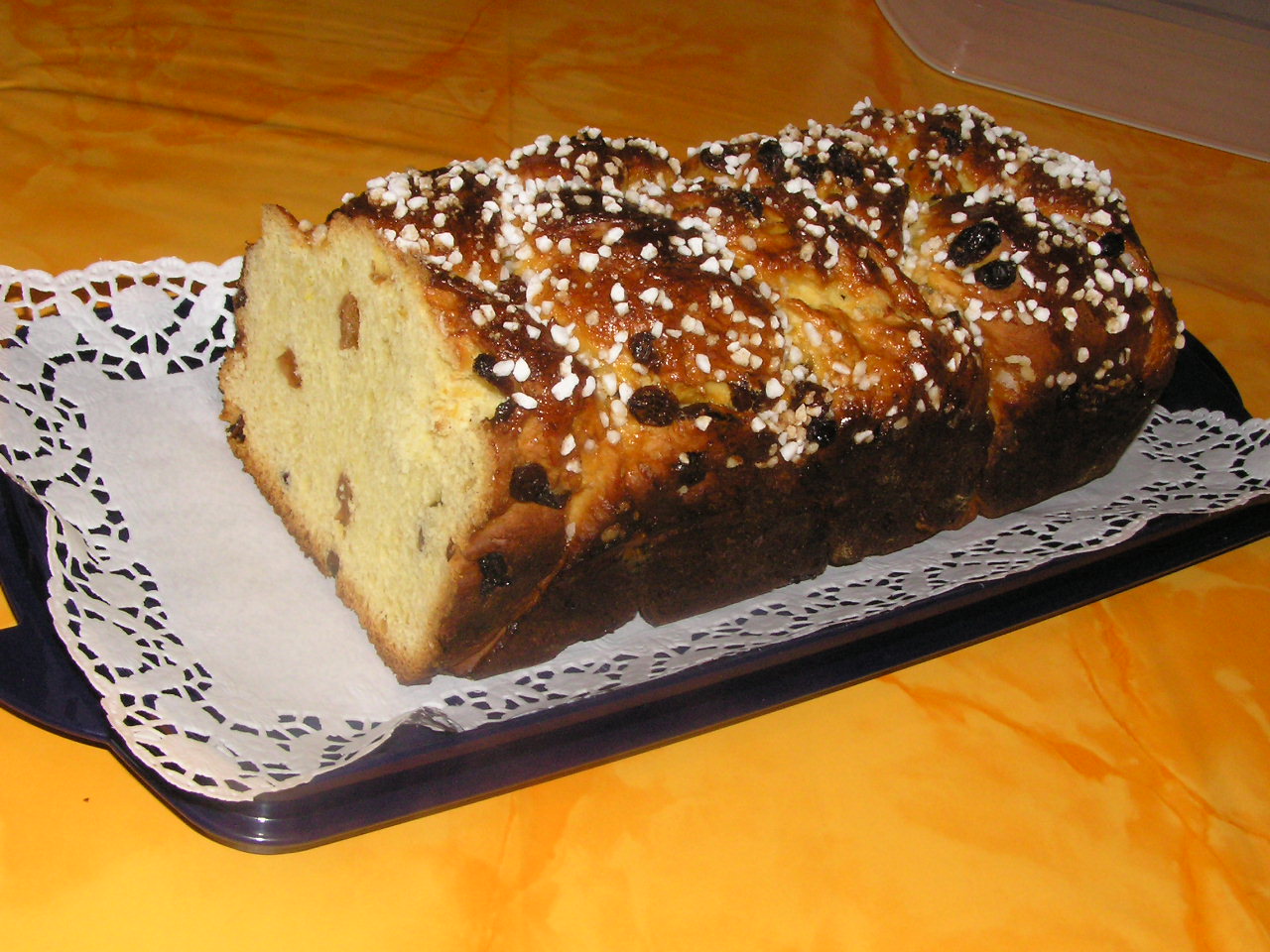 Cozonac
🇷🇴 Romania and 4 moreA sweet, enriched bread often filled with nuts or dried fruit, baked for Easter
Sweet or dessert, Tea time, Snacks
Cozonac
🇷🇴 Romania and 4 moreA sweet, enriched bread often filled with nuts or dried fruit, baked for Easter
Sweet or dessert, Tea time, Snacks
Its cousins elsewhere
All pies and savoury pastries Chocolate brownieVegetarianBrownie
🇺🇸 United States and 2 moreDense chocolate squares baked as a bar, often served warm or with toppings
Sweet or dessert, Snacks, Tea time
KhachapuriVegetarianხაჭაპური
🇬🇪 Georgia and 4 moreLeavened bread filled with cheese, sometimes egg, from Georgia
Bread, Breakfast, Lunch
Chocolate brownieVegetarianBrownie
🇺🇸 United States and 2 moreDense chocolate squares baked as a bar, often served warm or with toppings
Sweet or dessert, Snacks, Tea time
KhachapuriVegetarianხაჭაპური
🇬🇪 Georgia and 4 moreLeavened bread filled with cheese, sometimes egg, from Georgia
Bread, Breakfast, Lunch
 Egg tartVegetarian蛋撻
🇨🇳 China and 5 moreA small pastry tart with a sweet egg custard filling, found in Cantonese cuisine
Pie or savoury pastry, Snacks, Tea time
Egg tartVegetarian蛋撻
🇨🇳 China and 5 moreA small pastry tart with a sweet egg custard filling, found in Cantonese cuisine
Pie or savoury pastry, Snacks, Tea time