Banmian
In its own language: 板麵
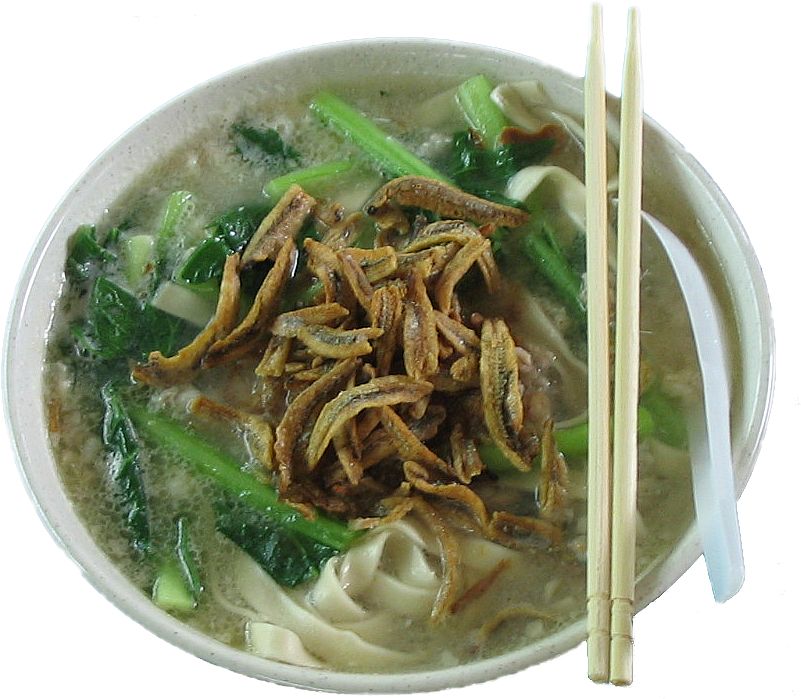
Handmade Chinese noodles in soup, often with anchovies, meat and leafy greens
Banmian is a Chinese noodle dish of handmade egg noodles served in a savory soup, found in China, Malaysia, Singapore and Taiwan. The soup often includes vegetables, anchovies, mushrooms, and a choice of meat or fish. Banmian is eaten as a main meal, with both traditional and modern versions seen at hawker stalls and restaurants.
- Handmade noodles are the hallmark of banmian
- Anchovy stock is a common soup base
- Popular in China, Malaysia, Singapore and Taiwan
- Dry chilli pan mee is a well-known Malaysian variant
What is Banmian?
Banmian is a noodle soup where flat, handmade egg noodles are served in a clear, savory broth. The noodles are made from flour, egg, water and salt, and can be cut into strips or torn into bite-sized pieces. The soup base is often made with anchovy or fish stock, sometimes flavored with onions, garlic, ginger or bean paste. Toppings can include minced pork, mushrooms, fried anchovies, and leafy greens like sayur manis or sweet potato leaves. An egg may be cracked into the hot broth to finish.
Where does Banmian come from?
Banmian comes from Chinese communities, especially in Hokkien and Hakka-speaking regions of China, Malaysia, Singapore and Taiwan. The name means 'board noodle', from the Hakka way of cutting dough with a wooden block. Hakka cooks would shave dough into noodles, while Hokkien cooks tore dough into small pieces. The dish seen today blends both traditions, and has become a common offering at hawker stalls across Southeast Asia.
How is Banmian made?
The dough for banmian is kneaded by hand or machine from flour, egg, water and salt. It is then rolled out and either cut into strips or torn into small pieces. The noodles are cooked in a broth, usually made from anchovies or fish, sometimes with added aromatics like onion and garlic. Once the noodles are cooked, toppings such as minced pork, mushrooms, fried anchovies, and leafy greens are added. An egg may be poached in the hot soup just before serving.

How and when is Banmian eaten?
Banmian is usually eaten hot as a main meal, often for lunch or dinner. It is served in a bowl with the noodles and toppings in the broth. In Malaysia, a dry version is sometimes served with the soup on the side. At hawker stalls, diners may add vinegar or chilli to taste. The dish is enjoyed as everyday food, and is popular in both casual eateries and home kitchens.
Kinds of Banmian
There are several versions of banmian. Mee hoon kueh uses hand-torn dough pieces instead of strips. Dry chilli pan mee, popular in Kuala Lumpur, is served without soup, topped with minced pork, fried onions, anchovies, a poached egg, and dry chilli or sambal. Toppings and vegetables can vary by region and cook, with some using different greens or types of mushrooms.
What Banmian means
Banmian is a staple at hawker stalls and casual restaurants in Malaysia, Singapore, and Taiwan, reflecting the influence of Chinese immigrant communities. It is valued for its handmade noodles and comforting broth. The dish has adapted to local tastes, with regional toppings and styles, and is part of everyday food culture in these places.
Questions people ask about Banmian
What is banmian made of?
Banmian is made with handmade egg noodles, usually served in a soup with anchovy or fish stock, vegetables, mushrooms, and toppings like minced pork or fried anchovies.
Where does banmian come from?
Banmian originates from Chinese communities, especially Hokkien and Hakka-speaking areas in China, Malaysia, Singapore and Taiwan.
How are the noodles in banmian prepared?
The noodles are made by kneading flour, egg, water and salt into a dough, then rolling and cutting or tearing it into strips or pieces before cooking in broth.
What does banmian taste like?
Banmian has a savory, clear broth often flavored with anchovy or fish, and the noodles are soft and chewy. Toppings like fried anchovies and vegetables add extra flavor and texture.
Are there different types of banmian?
Yes, variations include mee hoon kueh (hand-torn dough pieces) and dry chilli pan mee, which is served without soup and topped with chilli, minced pork, anchovies and a poached egg.
Good reading and sources
The facts on this page come from the Wikipedia article "Banmian", written by its contributors and used under the CC BY-SA 4.0 licence, and from its Wikidata record (CC0). Thali rewrote the text in its own words, with AI assistance, and compares every page with the article to make sure no passage is copied. It may be reused under the same CC BY-SA 4.0 licence with a link back.
It may contain mistakes, and it is not dietary or allergy advice: recipes differ from cook to cook. If something is wrong, tell us. Last refreshed 2026-10-03.
More from China
All the food of China Pasta
🇮🇹 Italy and 1 moreUnleavened dough shaped and cooked, a staple of Italian cuisine
Main dish, Lunch, Dinner
TofuVegan豆腐
🇨🇳 China and 5 moreSoft white blocks made by curdling soy milk and pressing the curds
Main dish
Pasta
🇮🇹 Italy and 1 moreUnleavened dough shaped and cooked, a staple of Italian cuisine
Main dish, Lunch, Dinner
TofuVegan豆腐
🇨🇳 China and 5 moreSoft white blocks made by curdling soy milk and pressing the curds
Main dish
 RamenMeatラーメン
🇯🇵 Japan and 1 moreJapanese noodle soup with Chinese-style wheat noodles in hot broth
Soup, Lunch, Dinner
RamenMeatラーメン
🇯🇵 Japan and 1 moreJapanese noodle soup with Chinese-style wheat noodles in hot broth
Soup, Lunch, Dinner
 Lei chaVegan擂茶
🇨🇳 China and 3 moreA Hakka tea-based drink or soup made with ground tea, nuts, seeds and grains
Drink
Lei chaVegan擂茶
🇨🇳 China and 3 moreA Hakka tea-based drink or soup made with ground tea, nuts, seeds and grains
Drink
Its cousins elsewhere
All main dishes Empanada
🇪🇸 Spain and 5 morePastry turnovers filled with meat, cheese, or vegetables, baked or fried
Pie or savoury pastry, Lunch, Dinner
Empanada
🇪🇸 Spain and 5 morePastry turnovers filled with meat, cheese, or vegetables, baked or fried
Pie or savoury pastry, Lunch, Dinner
 Kalduny
🇧🇾 Belarus and 3 moreDumplings of soft dough filled with meat, mushrooms, or fruit
Dumpling, Lunch, Dinner
Kalduny
🇧🇾 Belarus and 3 moreDumplings of soft dough filled with meat, mushrooms, or fruit
Dumpling, Lunch, Dinner
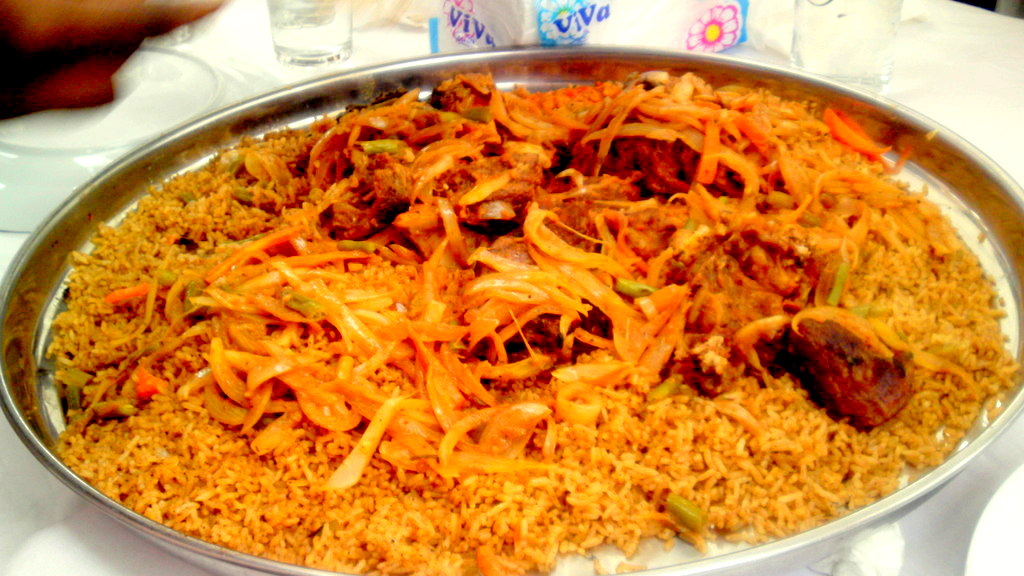 Riz grasMeat
🇧🇫 Burkina Faso and 4 moreWest African rice cooked with meat and vegetables, served hot
Main dish, Lunch, Dinner
Riz grasMeat
🇧🇫 Burkina Faso and 4 moreWest African rice cooked with meat and vegetables, served hot
Main dish, Lunch, Dinner