
Pasta
Unleavened dough shaped and cooked, a staple of Italian cuisine
Pasta is a food made by mixing wheat flour with water or eggs, shaping the dough, and cooking it by boiling or baking. It is a central part of Italian cooking, but its roots trace to Mediterranean and Asian traditions. Pasta comes in many shapes and may use other grains or legumes for gluten-free versions.
- Pasta is made from wheat flour and water or eggs
- There are over 310 specific pasta shapes
- Pasta likely reached Italy via Sicily in the Middle Ages
- Gluten-free pasta can be made from rice or legumes
- Pasta is a staple of Italian cuisine
What is Pasta?
Pasta is made from an unleavened dough, usually of wheat flour and water or eggs, shaped into forms like strands, tubes, or sheets. It is cooked by boiling or baking. While durum wheat is traditional, other grains and even legumes are sometimes used, especially for those avoiding gluten. Pasta can be found in hundreds of shapes, from long noodles to stuffed parcels. Its taste is mild, making it a good base for a wide range of sauces and toppings.
Where does Pasta come from?
Though pasta is most closely linked to Italy, foods made from wheat dough have a long history in the Mediterranean and Asia. Noodles from wheat were eaten in China during the Han dynasty, and similar dough-based foods were found in ancient Greece and Persia. The form of pasta familiar today likely reached Italy through Sicily during the Middle Ages, influenced by Mediterranean trade and Arab traditions. The story that Marco Polo brought pasta from China is considered a myth by most historians.
How is Pasta made?
To make pasta, wheat flour is mixed with water or eggs to form a dough, which is then rolled or extruded into various shapes. Fresh pasta often uses eggs and is softer, while dried pasta is made for longer storage and is usually made from durum wheat. Some versions use rice flour or legumes for those who cannot eat gluten. After shaping, pasta is cooked by boiling in water or baked in the oven, sometimes layered or stuffed.

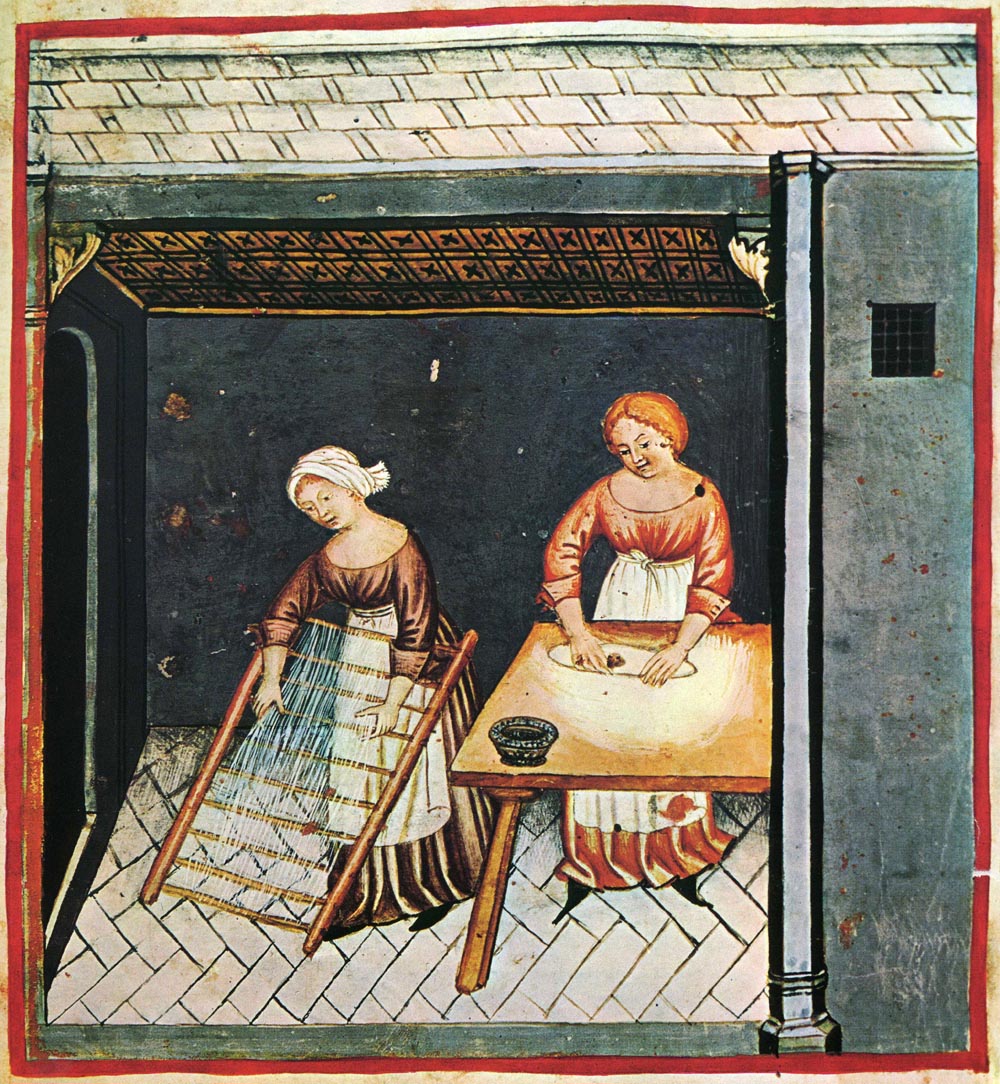


How and when is Pasta eaten?
Pasta is usually served as a main dish for lunch or dinner. It can be paired with sauces, added to soups, or baked in layered dishes. In Italy, pasta is often served as a first course, with simple or elaborate toppings. The shape of the pasta is often chosen to match the sauce, with thicker shapes holding heavier sauces and thinner ones paired with lighter dressings. Pasta can also be served cold in salads.
Kinds of Pasta
There are hundreds of pasta shapes, with names and forms varying by region and tradition. Fresh pasta, often made with eggs, is common in northern Italy, while dried pasta is more typical in the south. Gluten-free versions use rice, beans, or lentils. Stuffed pastas, like ravioli, and baked dishes, like lasagna, are popular. Each region may have its own specialties and local names for similar shapes.
What Pasta means
Pasta is a symbol of Italian cuisine and is eaten daily by many Italians. Its production and preparation have evolved from handmade traditions to large-scale factories. Pasta is also popular worldwide, with local adaptations and new shapes. It is a staple food, valued for its versatility and ability to be stored for long periods. In some places, pasta making is considered an art, with festivals and pride in local varieties.
Questions people ask about Pasta
What is pasta made of?
Pasta is typically made from wheat flour mixed with water or eggs. Some versions use rice flour or legumes such as beans and lentils, especially for gluten-free diets.
Where did pasta originate?
Pasta is most closely associated with Italy, but similar wheat-based noodles were eaten in China and the Mediterranean long before pasta became established in Italy during the Middle Ages.
How is pasta cooked?
Pasta is usually boiled in water until tender, but it can also be baked in dishes like lasagna. Fresh pasta cooks faster than dried pasta.
Are there different types of pasta?
Yes, there are hundreds of shapes, including long noodles, tubes, sheets, and stuffed forms. Each shape may have different local names and is suited to specific sauces or dishes.
Is pasta always made from wheat?
While durum wheat is traditional, pasta can also be made from rice flour or legumes for those who cannot eat gluten.
Good reading and sources
- Encyclopaedia BritannicaArticle
- Dry Pasta vs. Fresh Pasta: What’s the Difference?The Kitchn, Article
- The Twisted History of PastaNational Geographic, Article
The facts on this page come from the Wikipedia article "Pasta", written by its contributors and used under the CC BY-SA 4.0 licence, and from its Wikidata record (CC0). Thali rewrote the text in its own words, with AI assistance, and compares every page with the article to make sure no passage is copied. It may be reused under the same CC BY-SA 4.0 licence with a link back.
It may contain mistakes, and it is not dietary or allergy advice: recipes differ from cook to cook. If something is wrong, tell us. Last refreshed 2026-10-03.
More from Italy
All the food of Italy Pizza
🇮🇹 Italy and 4 moreFlatbread topped with tomato, cheese and baked at high heat
Main dish, Lunch, Dinner
Pizza
🇮🇹 Italy and 4 moreFlatbread topped with tomato, cheese and baked at high heat
Main dish, Lunch, Dinner
 SpaghettiVegan
🇮🇹 Italy and 2 moreLong, thin pasta strands made from durum wheat and water
Noodle or pasta dish, Lunch, Dinner
SpaghettiVegan
🇮🇹 Italy and 2 moreLong, thin pasta strands made from durum wheat and water
Noodle or pasta dish, Lunch, Dinner
 Lasagnalasagne
🇮🇹 ItalyBaked layers of pasta sheets, sauce, cheese and fillings from Italy
Main dish, Lunch, Dinner
Lasagnalasagne
🇮🇹 ItalyBaked layers of pasta sheets, sauce, cheese and fillings from Italy
Main dish, Lunch, Dinner
 Risotto
🇮🇹 ItalyCreamy Italian rice dish slowly cooked with broth and finished with cheese
Main dish, Lunch, Dinner
Risotto
🇮🇹 ItalyCreamy Italian rice dish slowly cooked with broth and finished with cheese
Main dish, Lunch, Dinner
Its cousins elsewhere
All main dishes Tempura天ぷら
🇯🇵 Japan and 1 moreSeafood or vegetables coated in a light batter and deep-fried
Main dish, Lunch, Dinner
Tempura天ぷら
🇯🇵 Japan and 1 moreSeafood or vegetables coated in a light batter and deep-fried
Main dish, Lunch, Dinner
 Bliniблины
🇷🇺 Russia and 3 moreThin Russian pancakes made with yeast or unyeasted batter
Main dish, Breakfast, Lunch
Bliniблины
🇷🇺 Russia and 3 moreThin Russian pancakes made with yeast or unyeasted batter
Main dish, Breakfast, Lunch
 Pelmeniпельмени
🇷🇺 RussiaRussian dumplings filled with seasoned meat and wrapped in thin dough
Dumpling, Lunch, Dinner
Pelmeniпельмени
🇷🇺 RussiaRussian dumplings filled with seasoned meat and wrapped in thin dough
Dumpling, Lunch, Dinner
 Udonうどん / 饂飩
🇯🇵 Japan and 4 moreThick wheat noodles served hot or cold in Japanese cooking
Noodle or pasta dish, Lunch, Dinner
Udonうどん / 饂飩
🇯🇵 Japan and 4 moreThick wheat noodles served hot or cold in Japanese cooking
Noodle or pasta dish, Lunch, Dinner