
Ramen
In its own language: ラーメン
Japanese noodle soup with Chinese-style wheat noodles in hot broth
Ramen is a Japanese noodle soup made with Chinese-style alkaline wheat noodles served in a hot broth, often flavored with soy sauce or miso and topped with sliced pork, seaweed, bamboo shoots, and scallions. Originating in Yokohama Chinatown in the late 19th century, ramen now has many regional varieties across Japan and is enjoyed both as an everyday meal and a cultural symbol.
- Ramen uses Chinese-style alkaline wheat noodles in hot broth
- First appeared in Yokohama Chinatown in the late 19th century
- Typical toppings include sliced pork, seaweed, and bamboo shoots
- Each region in Japan has its own unique ramen style
- Instant ramen was invented in 1958, spreading its popularity
What is Ramen?
Ramen is a noodle soup where Chinese-style alkaline wheat noodles are served in a steaming bowl of broth. The broth can be flavored with soy sauce, miso, salt, or pork bones, and is usually topped with sliced pork (chāshū), dried seaweed (nori), fermented bamboo shoots (menma), fish cake (narutomaki), and chopped scallions. Each bowl combines chewy noodles with a rich, savory soup and a variety of toppings, making for a hearty and satisfying meal. The look and taste of ramen can vary widely, depending on the region and the cook.
Where does Ramen come from?
Ramen began as a Japanese adaptation of Chinese wheat noodle soups, first appearing in Yokohama Chinatown in the late 19th century. The dish was shaped by southern Chinese noodle traditions, especially from Cantonese immigrants, rather than the hand-pulled lamian of northern China. Early on, ramen was mainly eaten within Chinese communities in Japan. Its popularity grew after World War II, when wheat became more available and returning Japanese from China brought back a taste for noodle soups. The invention of instant noodles in 1958 made ramen even more widespread.
How is Ramen made?
To make ramen, cooks prepare alkaline wheat noodles, which get their firm texture from kansui, an alkaline mineral water. The noodles are boiled and served in a hot broth, which can be made from pork bones, chicken, fish, or vegetables, and flavored with soy sauce, miso, or salt. Typical toppings are added, such as sliced pork, nori, menma, narutomaki, and scallions. Each region and shop may use different broths, noodles, and toppings, resulting in a wide range of styles.


How and when is Ramen eaten?
Ramen is usually eaten as a casual meal for lunch or dinner, either in specialist ramen shops (rāmen'ya), restaurants, or from street stalls. It is served hot, often as a single large bowl. Diners use chopsticks for the noodles and a spoon for the broth. Ramen is enjoyed both as a quick meal and as a dish to linger over, with some people traveling to try famous regional varieties. It is not tied to any particular festival or religious occasion.
Kinds of Ramen
Ramen has many regional styles across Japan. Sapporo is known for miso ramen with a rich, hearty broth. Hakodate offers a lighter, salt-based version. Kitakata features thick, flat noodles in a pork and dried fish broth. Tokyo ramen uses a soy-flavored chicken broth, while Hakata in Kyushu is famous for its creamy pork bone (tonkotsu) broth. Each area adapts the dish to local tastes and ingredients.
What Ramen means
Once seen as a cheap, working-class food, ramen is now a symbol of Japanese cuisine, with countless shops and dedicated museums. Its spread abroad has made it an icon of Japanese food culture. Instant ramen, invented in 1958, helped popularize the dish worldwide. Ramen shops are found throughout Japan, and the dish is enjoyed by people of all ages. The variety and creativity of ramen reflect both local pride and a willingness to innovate.
Questions people ask about Ramen
What is ramen made of?
Ramen consists of Chinese-style alkaline wheat noodles served in a hot broth, usually flavored with soy sauce, miso, or salt, and topped with ingredients like sliced pork, seaweed, bamboo shoots, and scallions.
Where did ramen originate?
Ramen originated in Yokohama Chinatown, Japan, in the late 19th century, as a Japanese adaptation of Chinese noodle soups brought by Cantonese immigrants.
Are there different types of ramen?
Yes, nearly every region in Japan has its own style of ramen, with differences in broth flavor, noodle shape, and toppings. Examples include miso ramen from Hokkaido and tonkotsu ramen from Kyushu.
Is ramen always served hot?
Ramen is typically served hot, with steaming broth poured over the noodles and toppings.
What kind of meal is ramen?
Ramen is usually eaten as a main meal for lunch or dinner, either in specialist shops, restaurants, or from street stalls.
Good reading and sources
- Encyclopaedia BritannicaArticle
- The holy grail of ramen dishesBBC, Article
- Return of a ramen pioneer gives boost to JapanThe Guardian, Article
The facts on this page come from the Wikipedia article "Ramen", written by its contributors and used under the CC BY-SA 4.0 licence, and from its Wikidata record (CC0). Thali rewrote the text in its own words, with AI assistance, and compares every page with the article to make sure no passage is copied. It may be reused under the same CC BY-SA 4.0 licence with a link back.
It may contain mistakes, and it is not dietary or allergy advice: recipes differ from cook to cook. If something is wrong, tell us. Last refreshed 2026-10-03.
More from Japan
All the food of Japan KabochaVeganカボチャ
🇯🇵 Japan and 5 moreA sweet, dense winter squash with edible skin, used in Japanese and Asian cooking
Main dish, Lunch, Dinner
KabochaVeganカボチャ
🇯🇵 Japan and 5 moreA sweet, dense winter squash with edible skin, used in Japanese and Asian cooking
Main dish, Lunch, Dinner
 Miso soup味噌汁
🇯🇵 JapanJapanese soup of miso paste and dashi stock, often with tofu and seaweed
Soup, Breakfast, Lunch
Miso soup味噌汁
🇯🇵 JapanJapanese soup of miso paste and dashi stock, often with tofu and seaweed
Soup, Breakfast, Lunch
 Udonうどん / 饂飩
🇯🇵 Japan and 4 moreThick wheat noodles served hot or cold in Japanese cooking
Noodle or pasta dish, Lunch, Dinner
Udonうどん / 饂飩
🇯🇵 Japan and 4 moreThick wheat noodles served hot or cold in Japanese cooking
Noodle or pasta dish, Lunch, Dinner
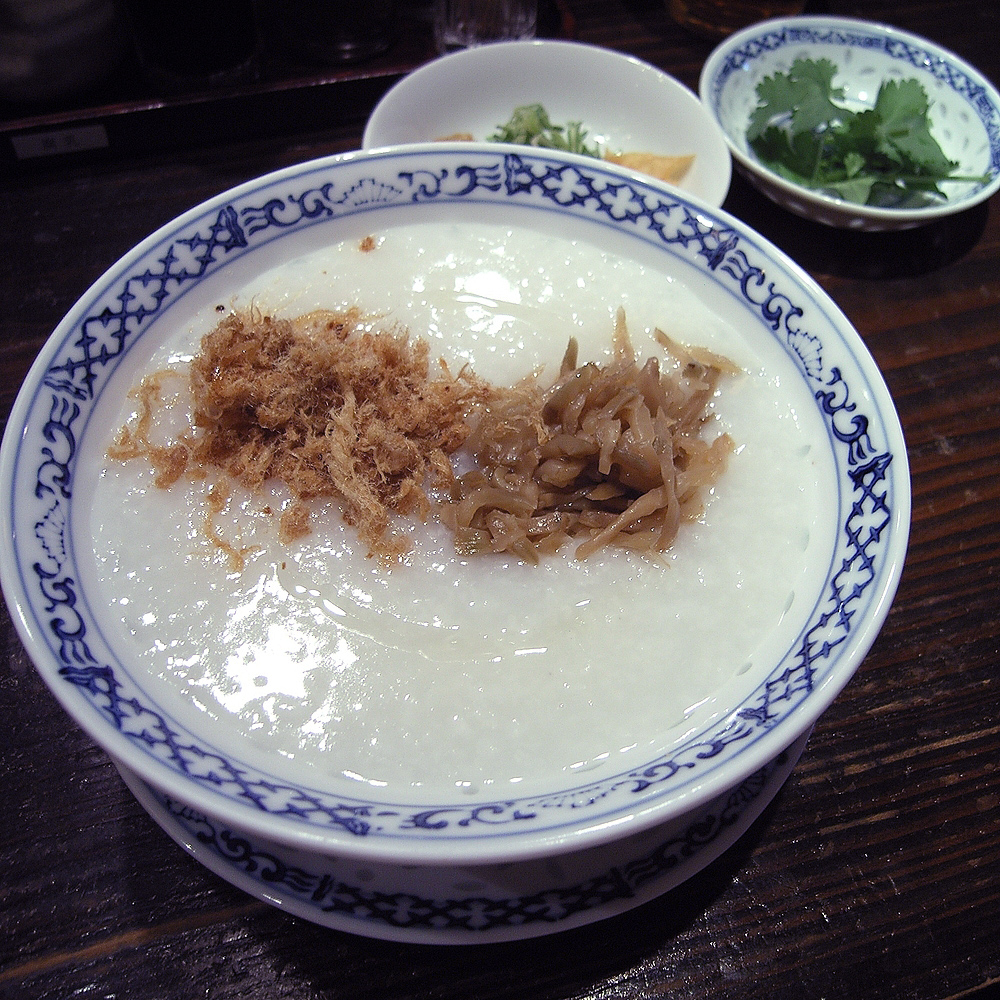 Congee粥
🇨🇳 China and 5 moreRice simmered in water to make a soft, comforting porridge
Main dish, Breakfast, Dinner
Congee粥
🇨🇳 China and 5 moreRice simmered in water to make a soft, comforting porridge
Main dish, Breakfast, Dinner
Its cousins elsewhere
All soups Pea soup
🇸🇪 Sweden and 5 moreA thick, hearty soup made from dried peas, found in many world cuisines
Soup, Lunch, Dinner
Pea soup
🇸🇪 Sweden and 5 moreA thick, hearty soup made from dried peas, found in many world cuisines
Soup, Lunch, Dinner
 Pot-au-feu
🇫🇷 FranceFrench boiled meat and vegetable stew served in two courses
Stew or curry, Lunch, Dinner
Pot-au-feu
🇫🇷 FranceFrench boiled meat and vegetable stew served in two courses
Stew or curry, Lunch, Dinner
 Avgolemonoαυγολέμονο
🇬🇷 Greece and 4 moreGreek soup or sauce thickened with egg and lemon
Soup, Lunch, Dinner
Avgolemonoαυγολέμονο
🇬🇷 Greece and 4 moreGreek soup or sauce thickened with egg and lemon
Soup, Lunch, Dinner
 Clam chowderFish or seafood
🇺🇸 United StatesA hearty American soup with clams, potatoes, and regional twists
Soup, Lunch, Dinner
Clam chowderFish or seafood
🇺🇸 United StatesA hearty American soup with clams, potatoes, and regional twists
Soup, Lunch, Dinner