
Baumkuchen
A layered cake baked on a rotating spit, with rings like a tree trunk
Baumkuchen is a cake from Germany, made by brushing layers of batter onto a spit and browning each one before adding the next. When sliced, the cake reveals golden rings that look like tree growth rings. It is made with flour, eggs, butter, and sugar, and is enjoyed in Germany, Austria, and especially Japan, where it is linked to good fortune.
- Each slice shows rings like those inside a tree trunk
- Made by layering batter on a rotating spit
- Introduced to Japan by a German baker after World War I
- Often given as a wedding gift in Japan
- Can have up to 20 or more layers
What is Baumkuchen?
Baumkuchen is a cake built up from many thin layers of batter, each one brushed onto a rotating spit and cooked before the next is added. When cut, the cake displays pale and golden rings, which look like the rings inside a tree trunk. The batter is made from flour, eggs, butter, sugar, vanilla, and salt. Some versions include extras like nuts, honey, or spirits, and the outside may be coated in chocolate or sugar glaze. The finished cake can be quite tall and heavy, with up to 20 or more layers.
Where does Baumkuchen come from?
Baumkuchen has roots in Germany and is mentioned in a 1581 cookbook by Marx Rumpolt. Its method of baking on a spit may trace back to ancient Greece, where cakes were cooked by wrapping dough around a stick and turning it over fire. Some say it began as a Hungarian wedding cake or was first made in Salzwedel, Germany, but these stories are less certain. The cake's name means 'tree cake' in German, referring to its ringed appearance.
How is Baumkuchen made?
To make Baumkuchen, a thin layer of batter is brushed onto a spit and cooked until golden. This process is repeated, building up many layers, each one browned before the next is added. The cake is then removed from the spit and may be glazed with sugar or chocolate. Some recipes add marmalade or jam under the glaze. There are also simpler versions, such as Schichttorte, which is baked in a pan with horizontal layers instead of rings.


How and when is Baumkuchen eaten?
Baumkuchen is served sliced, revealing its signature rings. In Japan, it is often given as a gift at weddings, as the ring shape stands for long life and prosperity. The cake is eaten as a sweet treat with tea or as a snack. Miniature versions, called Baumkuchenspitzen, are cut into small pieces and covered in chocolate. It is enjoyed both at home and in cafes.
Kinds of Baumkuchen
There are several forms of Baumkuchen. Schichttorte is a version with horizontal layers, baked in a regular oven rather than on a spit. Baumkuchenspitzen are bite-sized pieces, usually coated in chocolate. The batter can be flavored with nuts, honey, marzipan, or spirits. In Japan, Baumkuchen is widely available and sometimes adapted to local tastes.
What Baumkuchen means
Baumkuchen is a symbol of celebration in Japan, where its ring shape is tied to wishes for longevity and happiness, especially at weddings. The cake was introduced to Japan after World War I by Karl Juchheim, a German baker. His bakery helped make Baumkuchen a familiar treat there. In Germany, it is a traditional cake, and its unique preparation and appearance make it a point of pride for skilled bakers.
Questions people ask about Baumkuchen
What is Baumkuchen made of?
Baumkuchen is made from flour, eggs, butter, sugar, vanilla, and salt. Some recipes add nuts, honey, marzipan, or spirits, and the cake may be finished with a sugar or chocolate glaze.
Where does Baumkuchen come from?
Baumkuchen comes from Germany, where it has been made since at least the late 1500s. It is also popular in Japan, Austria, and other countries.
How is Baumkuchen baked?
The cake is made by brushing thin layers of batter onto a rotating spit, browning each layer before adding the next. This creates the cake's signature rings.
Why is Baumkuchen important in Japan?
In Japan, Baumkuchen is often given at weddings because its ring shape is seen as a symbol of long life and prosperity.
Are there different types of Baumkuchen?
Yes, there are smaller chocolate-coated pieces called Baumkuchenspitzen and a pan-baked version called Schichttorte, which has horizontal layers instead of rings.
Good reading and sources
The facts on this page come from the Wikipedia article "Baumkuchen", written by its contributors and used under the CC BY-SA 4.0 licence, and from its Wikidata record (CC0). Thali rewrote the text in its own words, with AI assistance, and compares every page with the article to make sure no passage is copied. It may be reused under the same CC BY-SA 4.0 licence with a link back.
It may contain mistakes, and it is not dietary or allergy advice: recipes differ from cook to cook. If something is wrong, tell us. Last refreshed 2026-10-03.
More from Germany
All the food of Germany Doughnut
🇺🇸 United States and 5 moreSweet fried or baked rings or balls, often glazed or filled
Sweet or dessert, Breakfast, Snacks
Doughnut
🇺🇸 United States and 5 moreSweet fried or baked rings or balls, often glazed or filled
Sweet or dessert, Breakfast, Snacks
 MarzipanVegetarian
🇩🇪 Germany and 5 moreSweet almond paste shaped or used in cakes, especially at Christmas and weddings
Sweet or dessert, Snacks, Tea time
MarzipanVegetarian
🇩🇪 Germany and 5 moreSweet almond paste shaped or used in cakes, especially at Christmas and weddings
Sweet or dessert, Snacks, Tea time
 SachertorteVegetarian
🇦🇹 Austria and 1 moreAustrian chocolate sponge cake with apricot jam and a glossy chocolate glaze
Sweet or dessert, Tea time, Snacks
SachertorteVegetarian
🇦🇹 Austria and 1 moreAustrian chocolate sponge cake with apricot jam and a glossy chocolate glaze
Sweet or dessert, Tea time, Snacks
 Cinnamon rollVegetarian
🇸🇪 Sweden and 4 moreA sweet rolled bun with cinnamon and sugar, baked and often topped with icing
Sweet or dessert, Breakfast, Tea time
Cinnamon rollVegetarian
🇸🇪 Sweden and 4 moreA sweet rolled bun with cinnamon and sugar, baked and often topped with icing
Sweet or dessert, Breakfast, Tea time
Its cousins elsewhere
All sweets and desserts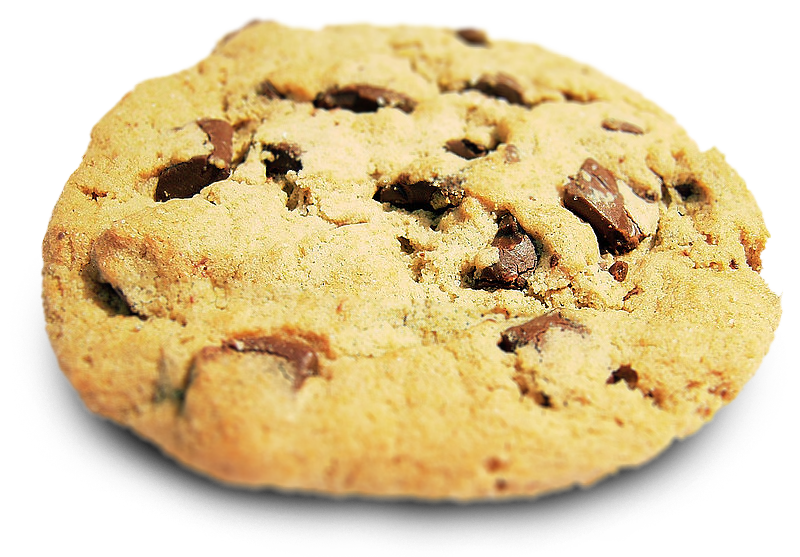 Chocolate chip cookie
🇺🇸 United StatesDrop cookie with pieces of chocolate mixed into the dough
Sweet or dessert, Snacks, Tea time
Pecan pieVegetarian
🇺🇸 United StatesSweet pie of pecans and syrup in a pastry crust, from the Southern United States
Sweet or dessert
Chocolate chip cookie
🇺🇸 United StatesDrop cookie with pieces of chocolate mixed into the dough
Sweet or dessert, Snacks, Tea time
Pecan pieVegetarian
🇺🇸 United StatesSweet pie of pecans and syrup in a pastry crust, from the Southern United States
Sweet or dessert
 Chocolate brownieVegetarianBrownie
🇺🇸 United States and 2 moreDense chocolate squares baked as a bar, often served warm or with toppings
Sweet or dessert, Snacks, Tea time
Chocolate brownieVegetarianBrownie
🇺🇸 United States and 2 moreDense chocolate squares baked as a bar, often served warm or with toppings
Sweet or dessert, Snacks, Tea time
 Tulumba
🇪🇬 Egypt and 5 moreDeep-fried batter sticks soaked in sweet syrup
Sweet or dessert, Snacks
Tulumba
🇪🇬 Egypt and 5 moreDeep-fried batter sticks soaked in sweet syrup
Sweet or dessert, Snacks