
Cinnamon roll
A sweet rolled bun with cinnamon and sugar, baked and often topped with icing
A cinnamon roll is a sweet, spiral-shaped bun made from yeast-leavened dough, filled with cinnamon and sugar, and often butter. Originating in Northern Europe, especially Sweden and Germany, it is now enjoyed in many countries, including North America. Cinnamon rolls are eaten as a treat with coffee, for breakfast, or as a dessert.
- Sweden celebrates Cinnamon Roll Day on October 4
- Finnish korvapuusti can be up to 20 cm wide
- American rolls are often topped with cream cheese icing
- Swedish kanelbulle dough usually includes cardamom
- In Denmark, extra-large cinnamon buns are sold on Wednesdays
What is Cinnamon roll?
A cinnamon roll is a coiled sweet bun made from a soft, yeast-raised dough. The dough is spread with butter, then sprinkled with a mixture of cinnamon and sugar, and sometimes brown sugar or raisins. After rolling up, it is sliced into rounds and baked. The finished roll is golden, with visible spirals of filling, and may be topped with pearl sugar or icing. The taste is sweet and warmly spiced, with a soft, tender crumb.
Where does Cinnamon roll come from?
The exact beginnings of the cinnamon roll are unclear, but cinnamon arrived in Europe through Arab traders. The oldest known recipes come from 16th-century Germany. The bun spread to Scandinavia, where it took on local forms and names, such as kanelbulle in Sweden and skillingsbolle in Norway. In Sweden, the modern cinnamon bun developed after World War I. German immigrants later brought the pastry to the United States.
How is Cinnamon roll made?
To make a cinnamon roll, a sheet of yeast-leavened dough is brushed with butter, then covered with cinnamon and sugar. The dough is rolled up into a log, sliced into pieces, and baked until golden. Some versions use puff pastry instead of bread dough. In North America, the rolls are often topped with a sweet cream cheese icing or glaze. Deep-fried versions also exist, resembling doughnuts.


How and when is Cinnamon roll eaten?
Cinnamon rolls are enjoyed in many ways. In Sweden and Finland, they are a classic treat for coffee breaks, known as fika, often shared with friends or coworkers. In North America, they are a popular breakfast or dessert, sometimes served warm with icing. In the American Midwest, cinnamon rolls may be eaten with chili. In Austria and Germany, they are a common part of afternoon coffee. In Slovakia and the Czech Republic, they are especially popular at Christmas.
Kinds of Cinnamon roll
Different countries have their own versions. Swedish kanelbulle often includes cardamom in the dough and is topped with pearl sugar. Finland’s korvapuusti is larger, sometimes up to 20 cm, and also uses cardamom. Denmark has the kanelsnegl, and Norway has several names and styles. In the U.S., rolls are usually large and heavily iced. Some recipes add raisins or bacon. Asian versions may use the tangzhong method for a softer texture.
What Cinnamon roll means
Cinnamon rolls are closely tied to social traditions. In Sweden, Cinnamon Roll Day is celebrated on October 4. The pastry is central to fika, a daily coffee break ritual in Sweden and Finland. In Denmark, extra-large buns called Wednesday snails are sold midweek. In Austria and Germany, they are part of the afternoon coffee table. In Slovakia and the Czech Republic, they are a festive Christmas treat. The roll’s popularity has made it a familiar sight in bakeries across Europe and North America.
When Cinnamon roll is on the table
Questions people ask about Cinnamon roll
What is a cinnamon roll made of?
A cinnamon roll is made from yeast-leavened dough, butter, cinnamon, and sugar. Some versions also include cardamom, raisins, or are topped with icing or pearl sugar.
Where did cinnamon rolls originate?
Cinnamon rolls have roots in 16th-century Germany and spread to Scandinavia, especially Sweden, before becoming popular in North America through German immigrants.
How are cinnamon rolls usually served?
They are typically served as a sweet treat with coffee, for breakfast, or as dessert. In some places, they are topped with icing, while in Sweden and Finland, they may have pearl sugar.
Are there different types of cinnamon rolls?
Yes, each country has its own version. Swedish kanelbulle uses cardamom, Finnish korvapuusti is larger, American rolls are often iced, and Danish and Norwegian versions have their own names and styles.
Is a cinnamon roll vegetarian?
Most cinnamon rolls are vegetarian, as they are made from flour, yeast, butter, cinnamon, and sugar. Some recipes may add eggs or milk, but they do not contain meat.
Good reading and sources
- Cinnamon roll on WikipediaEncyclopedia
- More photos on Wikimedia CommonsPhotos
- Wikidata recordOpen data
The facts on this page come from the Wikipedia article "Cinnamon roll", written by its contributors and used under the CC BY-SA 4.0 licence, and from its Wikidata record (CC0). Thali rewrote the text in its own words, with AI assistance, and compares every page with the article to make sure no passage is copied. It may be reused under the same CC BY-SA 4.0 licence with a link back.
It may contain mistakes, and it is not dietary or allergy advice: recipes differ from cook to cook. If something is wrong, tell us. Last refreshed 2026-10-03.
More from Sweden
All the food of Sweden MarzipanVegetarian
🇩🇪 Germany and 5 moreSweet almond paste shaped or used in cakes, especially at Christmas and weddings
Sweet or dessert, Snacks, Tea time
MarzipanVegetarian
🇩🇪 Germany and 5 moreSweet almond paste shaped or used in cakes, especially at Christmas and weddings
Sweet or dessert, Snacks, Tea time
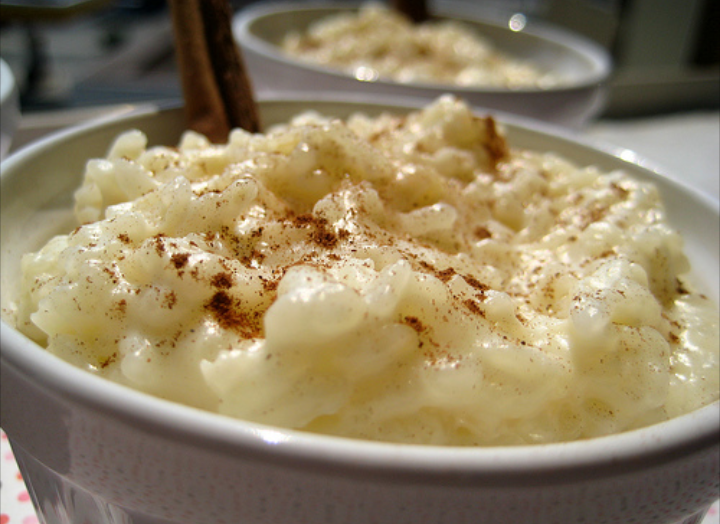 Rice pudding
🇮🇳 India and 4 moreSweetened rice cooked in milk, found in many forms worldwide
Sweet or dessert, Breakfast, Lunch
Rice pudding
🇮🇳 India and 4 moreSweetened rice cooked in milk, found in many forms worldwide
Sweet or dessert, Breakfast, Lunch
 Chocolate brownieVegetarianBrownie
🇺🇸 United States and 2 moreDense chocolate squares baked as a bar, often served warm or with toppings
Sweet or dessert, Snacks, Tea time
Chocolate brownieVegetarianBrownie
🇺🇸 United States and 2 moreDense chocolate squares baked as a bar, often served warm or with toppings
Sweet or dessert, Snacks, Tea time
 BaumkuchenVegetarian
🇩🇪 Germany and 7 moreA layered cake baked on a rotating spit, with rings like a tree trunk
Sweet or dessert, Tea time, Snacks
BaumkuchenVegetarian
🇩🇪 Germany and 7 moreA layered cake baked on a rotating spit, with rings like a tree trunk
Sweet or dessert, Tea time, Snacks
Its cousins elsewhere
All sweets and desserts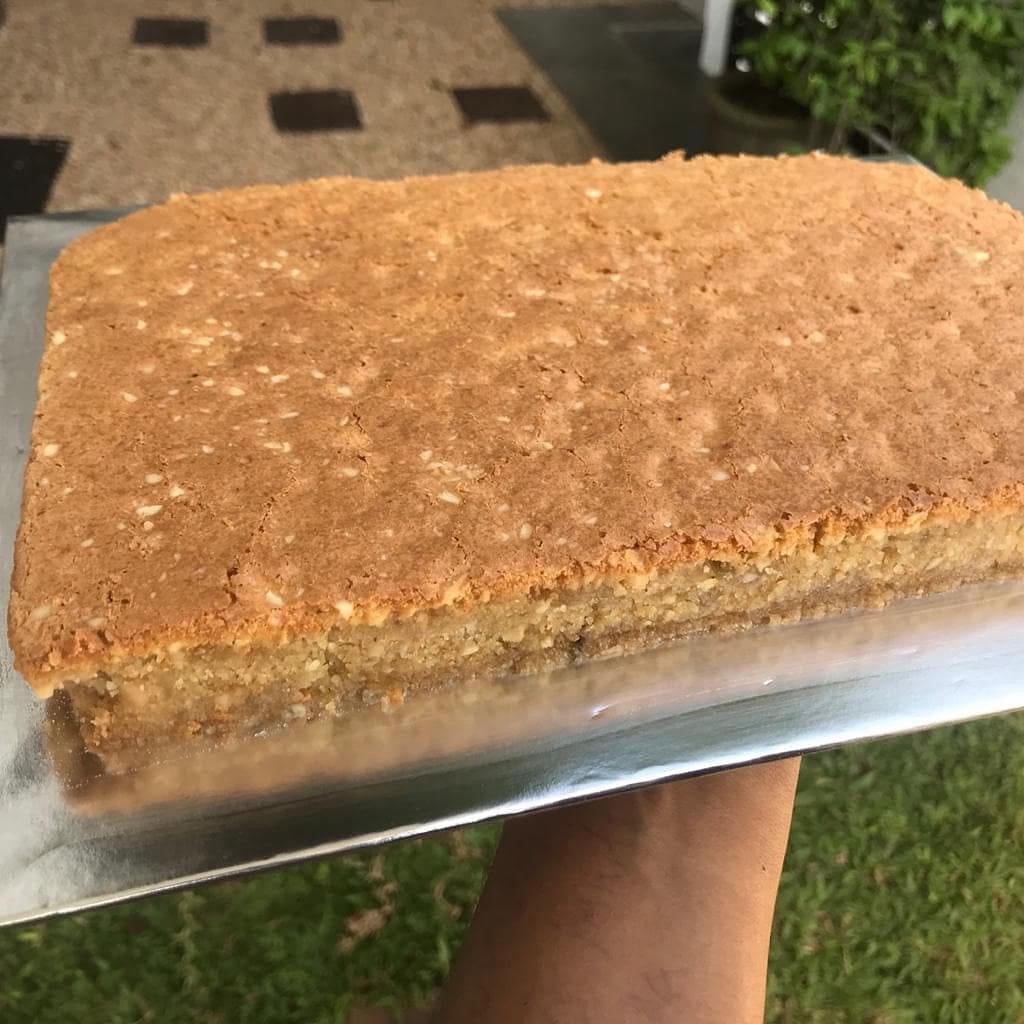 Love cakeVegetarian
🇱🇰 Sri LankaSri Lankan semolina cake with cashews, pumpkin preserve, and aromatic spices
Sweet or dessert
Love cakeVegetarian
🇱🇰 Sri LankaSri Lankan semolina cake with cashews, pumpkin preserve, and aromatic spices
Sweet or dessert
 AnpanVegetarianあんパン
🇯🇵 JapanJapanese sweet roll filled with red bean paste or other fillings
Sweet or dessert, Snacks, Tea time
AnpanVegetarianあんパン
🇯🇵 JapanJapanese sweet roll filled with red bean paste or other fillings
Sweet or dessert, Snacks, Tea time
 Pan de muertoVegetarian
🇲🇽 Mexico and 1 moreSweet, decorated bread made for Mexico’s Day of the Dead
Sweet or dessert, Snacks, Tea time
Pan de muertoVegetarian
🇲🇽 Mexico and 1 moreSweet, decorated bread made for Mexico’s Day of the Dead
Sweet or dessert, Snacks, Tea time
 CurauVegetarian
🇧🇷 BrazilBrazilian sweet custard made from unripe corn, milk and sugar
Sweet or dessert, Snacks
CurauVegetarian
🇧🇷 BrazilBrazilian sweet custard made from unripe corn, milk and sugar
Sweet or dessert, Snacks