
Bienenstich
German yeast cake topped with almonds and filled with custard or cream
Bienenstich is a sweet cake from Germany, made with a yeast dough base, a golden almond topping, and a creamy filling such as vanilla custard, buttercream, or whipped cream. It first appeared in German and Swiss baking in the early 20th century and is usually served as a dessert.
- Made with a yeast dough base and almond topping
- Filled with vanilla custard, buttercream, or cream
- First appeared in German and Swiss recipes in the early 1900s
- A legend links its name to bakers defending their town with beehives
- Sold in the US by some German-themed brands
What is Bienenstich?
Bienenstich is a cake with a soft, slightly chewy base made from a dough that rises with yeast. Its surface is covered in a layer of sliced almonds set in a sweet, sticky glaze, which turns golden and crisp in the oven. After baking, the cake is split and filled with a rich cream, often flavored with vanilla or made as a buttercream. The result is a pastry that combines a nutty crunch on top with a smooth, sweet filling and a light, airy crumb.
Where does Bienenstich come from?
Bienenstich comes from Germany, with the first recipes appearing in the early 1900s. Although a popular story links its name to a tale of bakers defending their town with beehives, this legend is not supported by early records. The cake's creamy filling would have needed refrigeration, which only became common in households in the 19th and 20th centuries. Early versions may not have included a filling, as some recipes from the 1910s mention it as an optional addition.
How is Bienenstich made?
To make Bienenstich, a yeast dough is rolled out and placed on a baking tray. Before baking, a hot mixture of sugar or honey, butter or other fat, cream, and sliced almonds is spread over the dough. This topping must be applied while still warm so it can be spread easily. After baking and cooling, the cake is cut horizontally and filled with a creamy layer, such as vanilla custard or buttercream, before being reassembled.


How and when is Bienenstich eaten?
Bienenstich is typically served as a sweet treat with coffee or tea, often in the afternoon or as a dessert. It can be enjoyed at home, in bakeries, or at gatherings. The cake is sliced into squares or rectangles, making it easy to share. Its combination of textures and flavors makes it a favorite for both everyday occasions and special moments.
Kinds of Bienenstich
While the classic Bienenstich uses a yeast dough and almond topping, fillings can vary. Some versions use plain whipped cream, while others prefer a thick custard or a rich buttercream. In Switzerland, a similar cake is known by the same name. Packaged versions are also sold in the United States, sometimes under German-themed brands.
What Bienenstich means
Bienenstich is recognized as a traditional German dessert and is mentioned in cookbooks and literature from the 20th century. It is not tied to a specific festival or religious event but is valued as a familiar pastry in German-speaking countries. Its name and story have become part of local folklore, even if the legend is not historically confirmed.
Questions people ask about Bienenstich
What is Bienenstich made of?
Bienenstich is made from a yeast-raised dough, topped with a sweet almond glaze, and filled with a creamy layer such as vanilla custard, buttercream, or whipped cream.
Where does Bienenstich come from?
Bienenstich originated in Germany, with recipes first appearing in the early 20th century. It is also known in Switzerland.
What does Bienenstich taste like?
It has a light, slightly chewy base, a crunchy almond topping, and a smooth, sweet filling, combining nutty, creamy, and buttery flavors.
Is Bienenstich always filled with cream?
Early versions sometimes had no filling, but most modern Bienenstich cakes include a layer of vanilla custard, buttercream, or whipped cream.
When is Bienenstich usually eaten?
It is commonly served as a dessert or with afternoon tea or coffee, and is enjoyed on both ordinary days and special occasions.
Good reading and sources
The facts on this page come from the Wikipedia article "Bienenstich", written by its contributors and used under the CC BY-SA 4.0 licence, and from its Wikidata record (CC0). Thali rewrote the text in its own words, with AI assistance, and compares every page with the article to make sure no passage is copied. It may be reused under the same CC BY-SA 4.0 licence with a link back.
It may contain mistakes, and it is not dietary or allergy advice: recipes differ from cook to cook. If something is wrong, tell us. Last refreshed 2026-10-03.
More from Germany
All the food of Germany Doughnut
🇺🇸 United States and 5 moreSweet fried or baked rings or balls, often glazed or filled
Sweet or dessert, Breakfast, Snacks
Doughnut
🇺🇸 United States and 5 moreSweet fried or baked rings or balls, often glazed or filled
Sweet or dessert, Breakfast, Snacks
 MarzipanVegetarian
🇩🇪 Germany and 5 moreSweet almond paste shaped or used in cakes, especially at Christmas and weddings
Sweet or dessert, Snacks, Tea time
MarzipanVegetarian
🇩🇪 Germany and 5 moreSweet almond paste shaped or used in cakes, especially at Christmas and weddings
Sweet or dessert, Snacks, Tea time
 PretzelVegetarian
🇩🇪 Germany and 4 moreA baked knot-shaped bread, often topped with salt or seeds
Bread, Snacks
PretzelVegetarian
🇩🇪 Germany and 4 moreA baked knot-shaped bread, often topped with salt or seeds
Bread, Snacks
 SachertorteVegetarian
🇦🇹 Austria and 1 moreAustrian chocolate sponge cake with apricot jam and a glossy chocolate glaze
Sweet or dessert, Tea time, Snacks
SachertorteVegetarian
🇦🇹 Austria and 1 moreAustrian chocolate sponge cake with apricot jam and a glossy chocolate glaze
Sweet or dessert, Tea time, Snacks
Its cousins elsewhere
All sweets and desserts Alfajor
🇦🇷 Argentina and 4 moreSweet biscuits or pastry joined with a filling, often dulce de leche or honey and nuts
Sweet or dessert, Snacks
Alfajor
🇦🇷 Argentina and 4 moreSweet biscuits or pastry joined with a filling, often dulce de leche or honey and nuts
Sweet or dessert, Snacks
 BaklavaVegetarianباقلوا
🇹🇷 Turkey and 5 moreThin pastry filled with nuts and soaked in sweet syrup
Sweet or dessert, Tea time, Snacks
Sheer khurmaVegetarianشير خرما
🇮🇳 India and 2 moreA sweet vermicelli pudding with milk, dates and nuts for Eid celebrations
Sweet or dessert, Breakfast, Snacks
BaklavaVegetarianباقلوا
🇹🇷 Turkey and 5 moreThin pastry filled with nuts and soaked in sweet syrup
Sweet or dessert, Tea time, Snacks
Sheer khurmaVegetarianشير خرما
🇮🇳 India and 2 moreA sweet vermicelli pudding with milk, dates and nuts for Eid celebrations
Sweet or dessert, Breakfast, Snacks
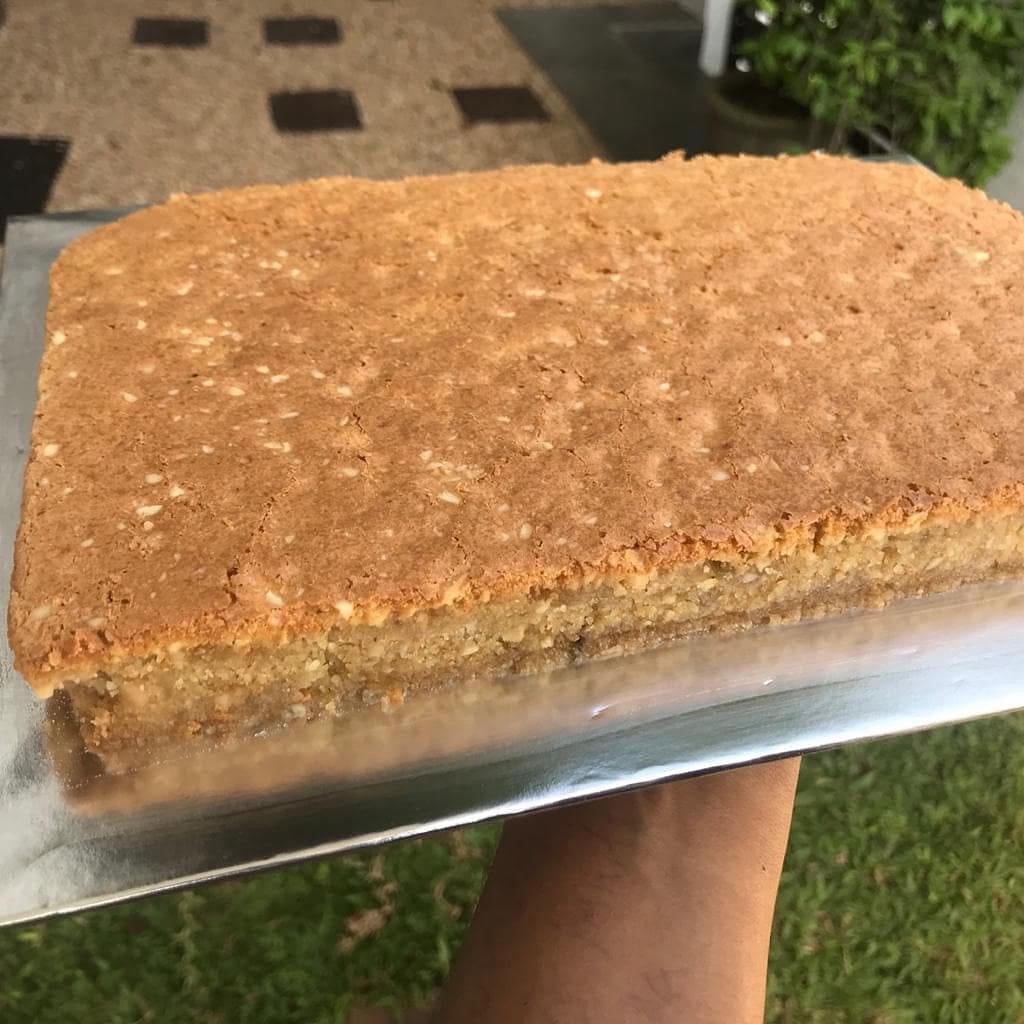 Love cakeVegetarian
🇱🇰 Sri LankaSri Lankan semolina cake with cashews, pumpkin preserve, and aromatic spices
Sweet or dessert
Love cakeVegetarian
🇱🇰 Sri LankaSri Lankan semolina cake with cashews, pumpkin preserve, and aromatic spices
Sweet or dessert