
Bisque
French creamy soup made with shellfish or vegetables, pureed and strained
Bisque is a French soup known for its smooth, creamy texture and deep flavor, most often made from shellfish like lobster, crab, or shrimp. Traditionally, the soup is thickened with cream or rice and strained to achieve its signature velvety consistency. While it began as a seafood dish, the term now also refers to rich, pureed vegetable soups.
- Classic French soup made from pureed and strained shellfish
- Now also refers to creamy vegetable soups like tomato or mushroom bisque
- Traditionally thickened with cream or rice
- Name may come from Bay of Biscay or the French for 'twice cooked'
What is Bisque?
Bisque is a French soup that stands out for its creamy, smooth texture and rich flavor. It is most often made from shellfish such as lobster, crab, shrimp, crayfish, or langoustine. The soup is pureed and strained, resulting in a velvety liquid. Cream or rice is used to thicken the bisque, and white wine and aromatic vegetables add depth. Although seafood is classic, modern bisques may use vegetables like tomato or mushroom, always blended and finished with cream.
Where does Bisque come from?
Bisque began in France, where it was first made from game birds like pigeon and served at grand tables. Over time, the focus shifted to seafood, especially shellfish, possibly due to coastal fishermen using unsellable catch for soup. The name may come from the Bay of Biscay or from the French for 'twice cooked,' reflecting the cooking process. Today, bisque is most closely linked with French culinary tradition and is enjoyed worldwide.
How is Bisque made?
To prepare bisque, shellfish are cooked with their shells on, then simmered with white wine and aromatic vegetables. The mixture is pureed and strained to create a smooth base. Cream or rice is added to thicken the soup, and sometimes orange vegetables like carrot or pumpkin are included for color and sweetness. The result is a refined, silky soup with concentrated flavor.
How and when is Bisque eaten?
Bisque is typically served as a first course or a light meal. It is enjoyed for its luxurious texture and deep seafood or vegetable flavor. The soup is often presented in bowls, sometimes garnished with a swirl of cream or a few pieces of shellfish. While rooted in French dining, it is now found in restaurants and homes around the world.
Kinds of Bisque
While the original bisque featured seafood, today the term also describes creamy soups made from pureed vegetables such as tomato, mushroom, or squash. In Louisiana, versions with lobster or crayfish have become part of Cajun cooking. Some recipes use rice instead of cream for thickening, and chefs may use different shellfish or even combine several types.
What Bisque means
Bisque has long been associated with French cuisine and is considered a classic example of refined soup-making. Its evolution from game-based to seafood and vegetable versions reflects changing tastes and availability. The dish is recognized for its technique and is a staple in French restaurants, as well as a model for creamy soups elsewhere.
Questions people ask about Bisque
What is bisque made of?
Bisque is usually made from shellfish such as lobster, crab, shrimp, or crayfish, along with cream or rice, white wine, and aromatic vegetables. Some modern versions use pureed vegetables instead of seafood.
Where does bisque come from?
Bisque originated in France, where it began as a soup made from game birds before evolving into a seafood-based dish.
Is bisque always made with seafood?
No, while bisque was originally a seafood soup, the term now also applies to creamy, pureed vegetable soups like tomato or mushroom bisque.
How is bisque different from chowder?
Bisque is smooth and creamy, as it is pureed and strained, while chowder is chunkier and less refined in texture.
What gives bisque its creamy texture?
The creamy texture comes from blending the soup and straining it, then adding cream or rice as a thickener.
Good reading and sources
- Bisque (food) on WikipediaEncyclopedia
- More photos on Wikimedia CommonsPhotos
- Wikidata recordOpen data
The facts on this page come from the Wikipedia article "Bisque (food)", written by its contributors and used under the CC BY-SA 4.0 licence, and from its Wikidata record (CC0). Thali rewrote the text in its own words, with AI assistance, and compares every page with the article to make sure no passage is copied. It may be reused under the same CC BY-SA 4.0 licence with a link back.
It may contain mistakes, and it is not dietary or allergy advice: recipes differ from cook to cook. If something is wrong, tell us. Last refreshed 2026-10-03.
More from France
All the food of France BouillabaisseFish or seafood
🇫🇷 FranceA Marseille fish stew with local seafood, herbs, and saffron broth
Stew or curry, Lunch, Dinner
BouillabaisseFish or seafood
🇫🇷 FranceA Marseille fish stew with local seafood, herbs, and saffron broth
Stew or curry, Lunch, Dinner
 French onion soupsoupe à l'oignon
🇫🇷 France and 1 moreA hot soup of caramelized onions in stock, topped with bread and melted cheese
Soup, Lunch, Dinner
French onion soupsoupe à l'oignon
🇫🇷 France and 1 moreA hot soup of caramelized onions in stock, topped with bread and melted cheese
Soup, Lunch, Dinner
 Pot-au-feu
🇫🇷 FranceFrench boiled meat and vegetable stew served in two courses
Stew or curry, Lunch, Dinner
Pot-au-feu
🇫🇷 FranceFrench boiled meat and vegetable stew served in two courses
Stew or curry, Lunch, Dinner
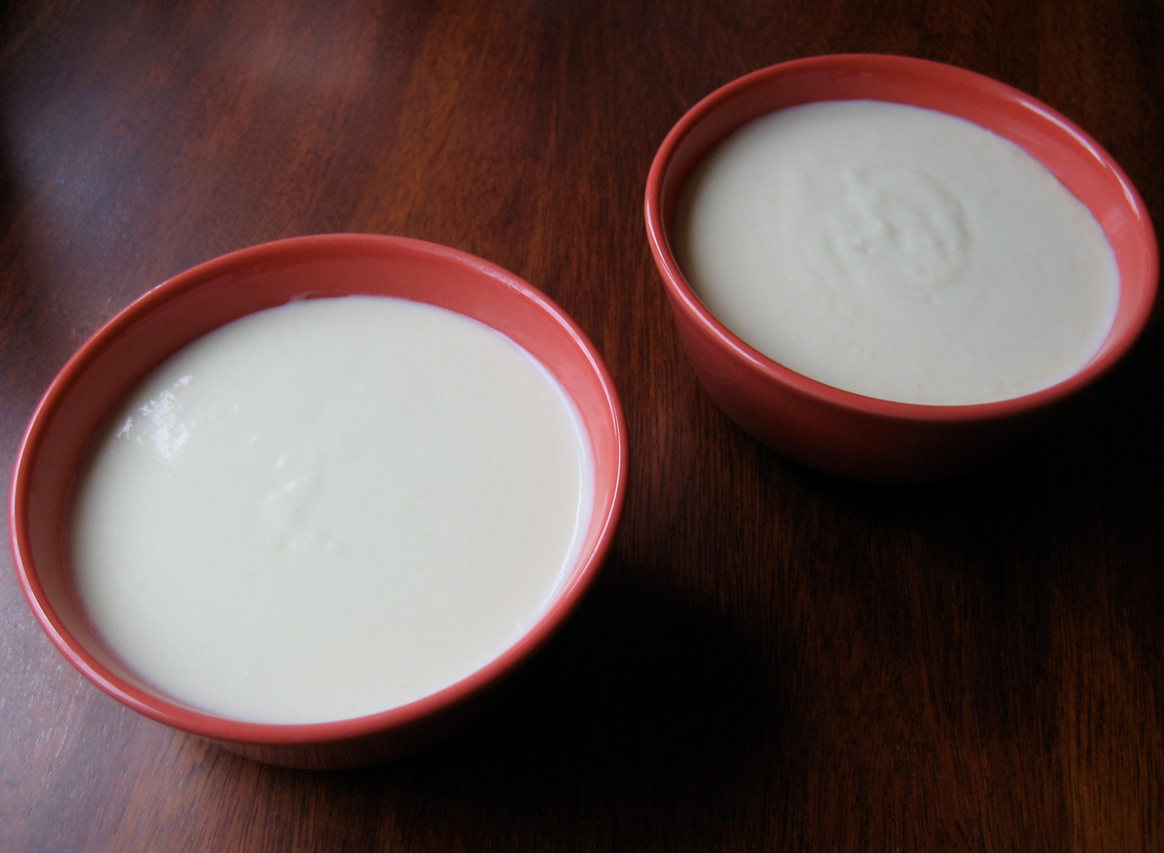 VichyssoiseVegetarian
🇫🇷 FranceChilled soup of puréed leek, potato, onion and cream
Soup
VichyssoiseVegetarian
🇫🇷 FranceChilled soup of puréed leek, potato, onion and cream
Soup
Its cousins elsewhere
All soups Lei chaVegan擂茶
🇨🇳 China and 3 moreA Hakka tea-based drink or soup made with ground tea, nuts, seeds and grains
Drink
Lei chaVegan擂茶
🇨🇳 China and 3 moreA Hakka tea-based drink or soup made with ground tea, nuts, seeds and grains
Drink
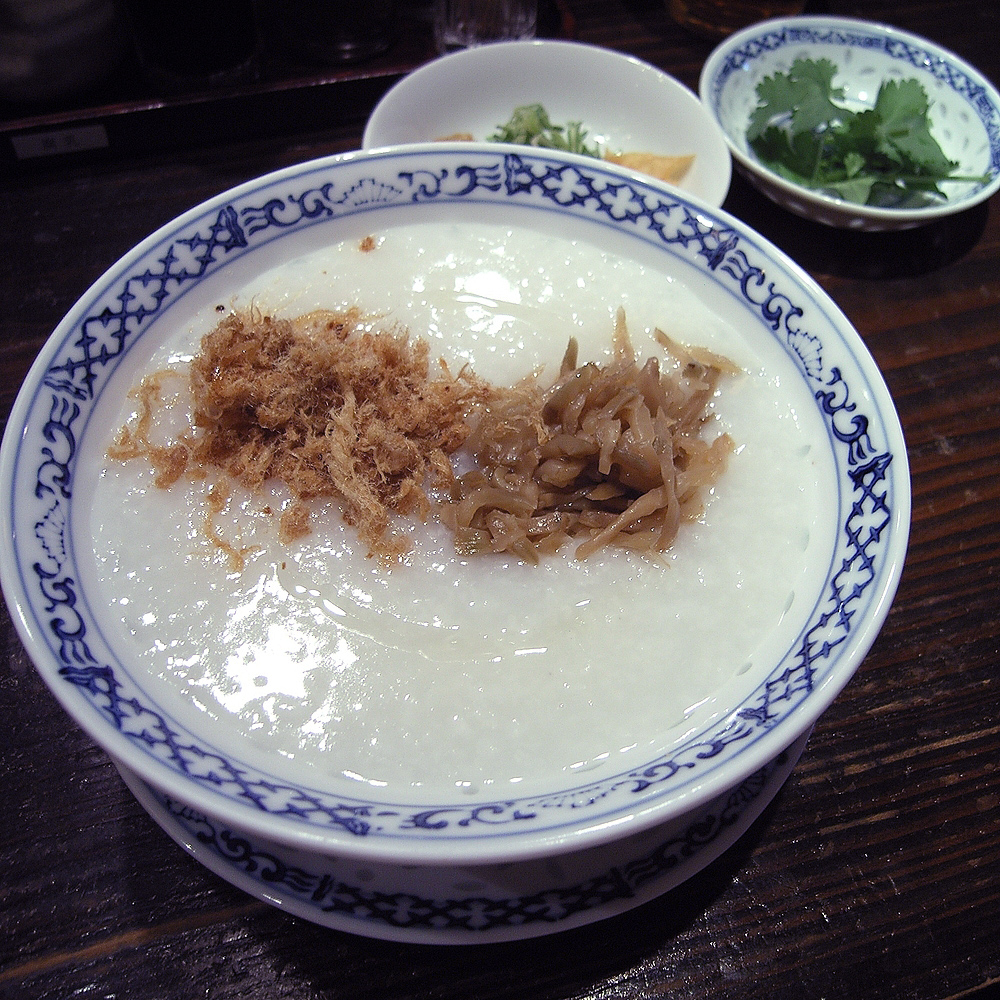 Congee粥
🇨🇳 China and 5 moreRice simmered in water to make a soft, comforting porridge
Main dish, Breakfast, Dinner
Congee粥
🇨🇳 China and 5 moreRice simmered in water to make a soft, comforting porridge
Main dish, Breakfast, Dinner
 Chicken soupMeat
🇺🇸 United States and 4 moreA hot soup of chicken simmered with vegetables, noodles or grains
Soup, Lunch, Dinner
Chicken soupMeat
🇺🇸 United States and 4 moreA hot soup of chicken simmered with vegetables, noodles or grains
Soup, Lunch, Dinner
 Hariraالحريرة
🇲🇦 Morocco and 3 moreNorth African soup of tomato, legumes, herbs and spices, often served during Ramadan
Soup, Dinner, Supper
Hariraالحريرة
🇲🇦 Morocco and 3 moreNorth African soup of tomato, legumes, herbs and spices, often served during Ramadan
Soup, Dinner, Supper