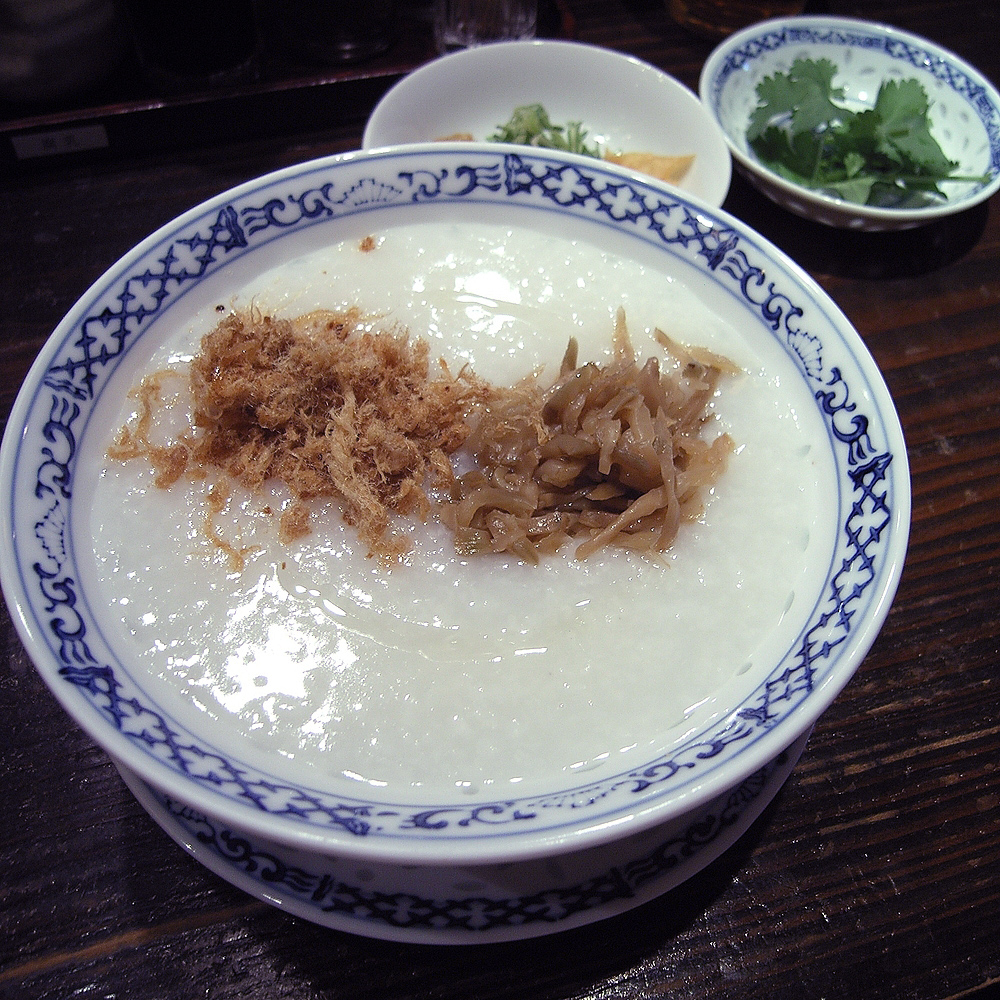
Congee
In its own language: 粥
Rice simmered in water to make a soft, comforting porridge
Congee is a rice porridge enjoyed across East and Southeast Asia, made by cooking rice in plenty of water until it breaks down into a creamy or soupy texture. It is eaten for breakfast, as a light meal, or when someone is unwell, and can be served plain or with toppings like meat, fish, pickles, or eggs. Each region has its own versions and favorite additions.
- Made by simmering rice in lots of water until soft
- Served plain or with toppings like meat, fish, or pickles
- Eaten for breakfast, supper, or when someone is unwell
- Known by different names across Asia, such as zhou, kayu, juk, bubur, and lugaw
- Special versions are made for festivals and rituals
What is Congee?
Congee is a simple dish where rice is cooked with a generous amount of water until the grains soften and the mixture thickens to a porridge. The consistency can range from thick and creamy to thin and soupy, depending on how much water is used. It is often served plain or with a range of toppings, such as shredded chicken, fish, preserved eggs, pickled vegetables, or fried breadsticks. The flavor is usually mild, making it easy to digest and gentle on the stomach.
Where does Congee come from?
The word 'congee' comes from the Tamil language, and the dish has been known in China since ancient times, with records from the Zhou dynasty. Over centuries, congee spread throughout Asia, taking on local names and forms in each country. It has been a staple in times of hardship, such as famine or war, because it stretches rice to feed more people. The dish is deeply rooted in daily life and traditions across many cultures.
How is Congee made?
To make congee, rice is combined with a large amount of water and simmered until the grains break down and the mixture becomes smooth. Some versions use chicken or pork stock instead of water for extra flavor. Once the base is ready, it can be eaten as is or topped with ingredients like meat, fish, eggs, or vegetables. In some regions, sweet versions are made with sugar, beans, or coconut milk.


How and when is Congee eaten?
Congee is commonly eaten for breakfast or as a light meal, but it can be enjoyed at any time of day. It is often served hot, sometimes with a variety of small side dishes or toppings that diners add themselves. In many cultures, it is considered a comfort food, especially for those who are sick or elderly, because it is easy to eat and digest. It may also be part of special meals during festivals or religious observances.
Kinds of Congee
Across Asia, congee takes many forms. In China, it may be topped with century eggs or salted duck eggs. Japan's kayu is sometimes flavored with pickled plums or miso. In Korea, juk can be made with pine nuts or abalone. Indonesia has bubur ayam with chicken and fried shallots, while the Philippines offers savory and sweet versions, such as arroz caldo and champorado. Each region adapts the dish to local tastes and ingredients.
What Congee means
Congee is more than just a meal; it is woven into daily routines and cultural practices. In Japan, a special seven-herb congee is eaten at the start of the year for good luck. In China, Laba congee is prepared for a winter festival. The dish is also associated with care and comfort, often given to those recovering from illness. Its versatility and simplicity have made it a lasting part of many food traditions.
When Congee is on the table
Questions people ask about Congee
What is congee made of?
Congee is mainly made from rice and water, simmered together until the rice breaks down into a porridge. Some versions use stock or add ingredients like meat, fish, eggs, or vegetables.
Where does congee come from?
Congee has ancient roots in Asia, with early records in China and a name that comes from Tamil. It is now found in many East and Southeast Asian countries, each with its own style.
How is congee eaten?
Congee is usually served hot, either plain or with toppings such as shredded chicken, fish, preserved eggs, or pickled vegetables. It can be eaten for breakfast, as a light meal, or when someone is unwell.
Are there sweet versions of congee?
Yes, some regions make sweet congee with ingredients like red beans, coconut milk, or sugar, especially for breakfast or as a snack.
Is congee always the same thickness?
No, the thickness of congee varies by region and personal taste. It can be thin and soupy or thick and creamy, depending on how much water is used.
Good reading and sources
The facts on this page come from the Wikipedia article "Congee", written by its contributors and used under the CC BY-SA 4.0 licence, and from its Wikidata record (CC0). Thali rewrote the text in its own words, with AI assistance, and compares every page with the article to make sure no passage is copied. It may be reused under the same CC BY-SA 4.0 licence with a link back.
It may contain mistakes, and it is not dietary or allergy advice: recipes differ from cook to cook. If something is wrong, tell us. Last refreshed 2026-10-03.
More from China
All the food of China Pasta
🇮🇹 Italy and 1 moreUnleavened dough shaped and cooked, a staple of Italian cuisine
Main dish, Lunch, Dinner
TofuVegan豆腐
🇨🇳 China and 5 moreSoft white blocks made by curdling soy milk and pressing the curds
Main dish
Pasta
🇮🇹 Italy and 1 moreUnleavened dough shaped and cooked, a staple of Italian cuisine
Main dish, Lunch, Dinner
TofuVegan豆腐
🇨🇳 China and 5 moreSoft white blocks made by curdling soy milk and pressing the curds
Main dish
 RamenMeatラーメン
🇯🇵 Japan and 1 moreJapanese noodle soup with Chinese-style wheat noodles in hot broth
Soup, Lunch, Dinner
RamenMeatラーメン
🇯🇵 Japan and 1 moreJapanese noodle soup with Chinese-style wheat noodles in hot broth
Soup, Lunch, Dinner
 Lei chaVegan擂茶
🇨🇳 China and 3 moreA Hakka tea-based drink or soup made with ground tea, nuts, seeds and grains
Drink
Lei chaVegan擂茶
🇨🇳 China and 3 moreA Hakka tea-based drink or soup made with ground tea, nuts, seeds and grains
Drink
Its cousins elsewhere
All main dishes Chicken soupMeat
🇺🇸 United States and 4 moreA hot soup of chicken simmered with vegetables, noodles or grains
Soup, Lunch, Dinner
Chicken soupMeat
🇺🇸 United States and 4 moreA hot soup of chicken simmered with vegetables, noodles or grains
Soup, Lunch, Dinner
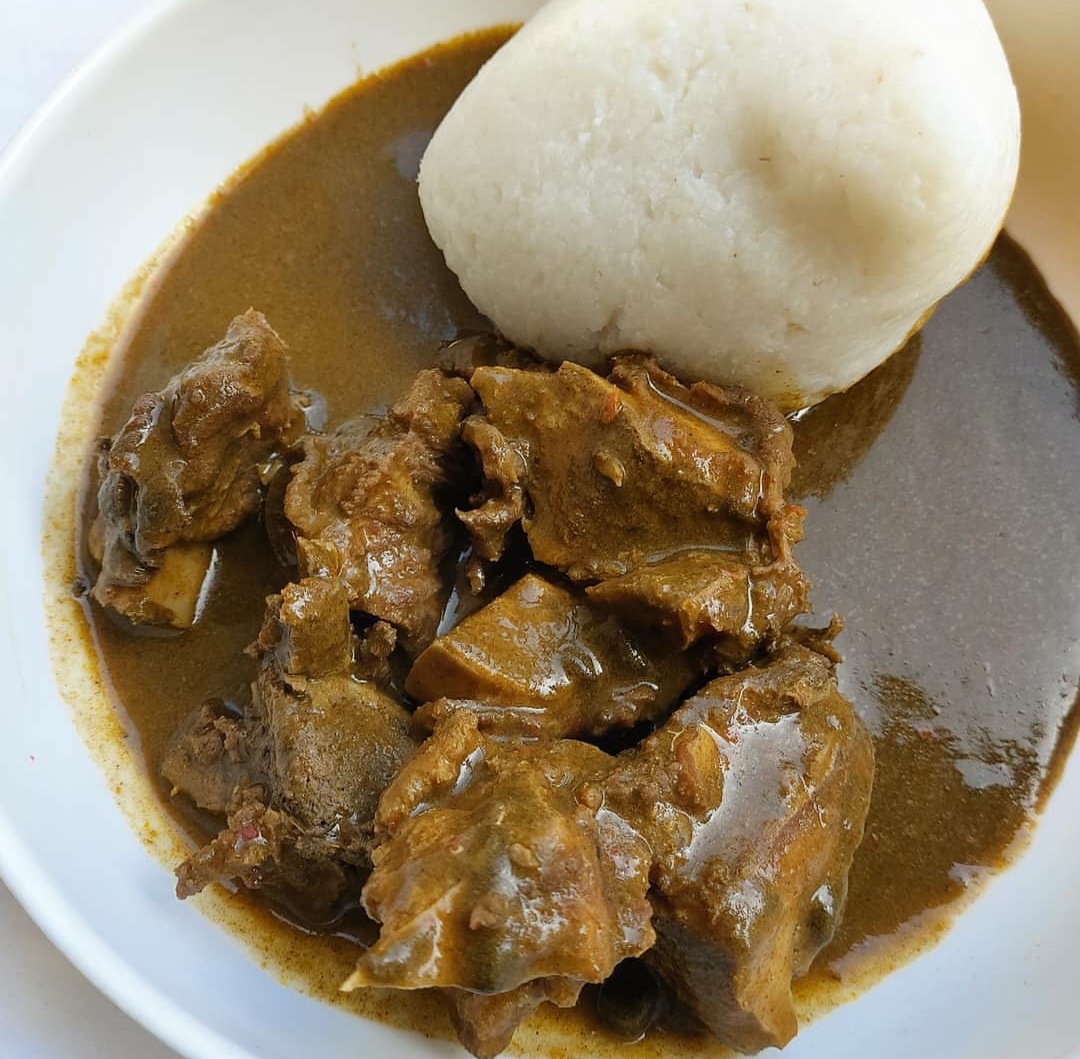 Tuwon shinkafaVegan
🇳🇬 Nigeria and 2 moreSoft, sticky rice dough served with soups in northern Nigeria and Niger
Main dish, Lunch, Dinner
Tuwon shinkafaVegan
🇳🇬 Nigeria and 2 moreSoft, sticky rice dough served with soups in northern Nigeria and Niger
Main dish, Lunch, Dinner
 SpaghettiVegan
🇮🇹 Italy and 2 moreLong, thin pasta strands made from durum wheat and water
Noodle or pasta dish, Lunch, Dinner
SpaghettiVegan
🇮🇹 Italy and 2 moreLong, thin pasta strands made from durum wheat and water
Noodle or pasta dish, Lunch, Dinner
 GoulashMeatgulyás
🇭🇺 Hungary and 5 moreA paprika-spiced meat and vegetable soup from Hungary
Soup, Lunch, Dinner
GoulashMeatgulyás
🇭🇺 Hungary and 5 moreA paprika-spiced meat and vegetable soup from Hungary
Soup, Lunch, Dinner