
Pot-au-feu
French boiled meat and vegetable stew served in two courses
Pot-au-feu is a French dish where meat and vegetables are simmered together, then served as broth followed by the cooked meat and vegetables. Beef is most common, but other meats like pork, chicken, or sausage may be used. It is eaten across France, often as a family meal, and has many regional versions.
- Served as broth first, then meat and vegetables
- Beef is the most common meat, but pork and chicken are also used
- A bouquet garni and onion with cloves add flavour
- Many regional versions exist across France
- Seen as a symbol of French family cooking
What is Pot-au-feu?
Pot-au-feu is a French dish made by simmering meat and vegetables together in water. Beef is the main meat, but pork, chicken, or sausage can also be included. The vegetables usually include carrots, turnips, celery, leeks, and onions, with cabbage sometimes added. The finished dish is served in two parts: first, the clear broth (bouillon), and then the cooked meat and vegetables. The broth is light and savoury, while the meat and vegetables are tender from slow cooking.
Where does Pot-au-feu come from?
Pot-au-feu has deep roots in French cooking and is often seen as a symbol of the country's cuisine. The name, meaning 'pot on the fire', dates back to at least the 17th century. It was a staple for both rich and poor, and a version called poule-au-pot was mentioned by King Henry IV in 1600. In Perpignan, a pot-au-feu was kept as a perpetual stew from the 15th century until World War II. The dish has many regional forms and has long been a part of French family meals.
How is Pot-au-feu made?
To make pot-au-feu, several cuts of meat are simmered gently with vegetables in a large pot of water. Beef is most often used, sometimes with pork, chicken, or sausage. A bouquet garni (a bundle of herbs) and an onion with cloves may be added for flavour. Some cooks include a marrow bone for richness. The mixture is cooked slowly so the broth becomes flavourful and the meat and vegetables become soft. The broth is strained and served first, followed by the meat and vegetables.


How and when is Pot-au-feu eaten?
Pot-au-feu is usually served as a two-course meal. The broth comes first, sometimes with rice, pasta, or croutons, and may be topped with grated cheese. French bread often accompanies it. The meat and vegetables are served next, sometimes with sauces like tomato sauce, gribiche, or mustard-based sauces. Condiments such as coarse salt, pickles, or horseradish may be offered. It is a common family dish, eaten for lunch or dinner.
Kinds of Pot-au-feu
There are many regional versions of pot-au-feu in France. Some add veal, salted pork, goose, or sausage. In Béarn, a chicken stuffed with pork and ham is used. In Provence, lamb or mutton may replace beef. Other versions include bacon, prunes soaked in Armagnac, or a mix of meats like chorizo and boudin noir. Each region adapts the dish to local tastes and ingredients.
What Pot-au-feu means
Pot-au-feu is widely regarded as a symbol of French home cooking and is sometimes called the national dish of France. It is served at both humble and grand tables and is seen as a meal that brings families together. The dish is mentioned in classic French cookbooks and has inspired similar dishes in other countries. Its reputation for warmth and comfort makes it a staple of French culinary tradition.
Questions people ask about Pot-au-feu
What is pot-au-feu made of?
Pot-au-feu is made by simmering meat (usually beef, but sometimes pork, chicken, or sausage) with vegetables such as carrots, turnips, celery, leeks, onions, and sometimes cabbage. Herbs and an onion with cloves are often added for flavour.
Where does pot-au-feu come from?
Pot-au-feu comes from France and is considered a classic dish of French home cooking. It has been made in French kitchens since at least the 17th century and is found throughout the country.
How is pot-au-feu served?
Pot-au-feu is typically served in two courses: first the broth, sometimes with rice or pasta, then the cooked meat and vegetables. It is often accompanied by French bread and various condiments or sauces.
Are there different versions of pot-au-feu?
Yes, there are many regional variations in France. Some versions add other meats like veal, goose, or sausage, or ingredients like bacon or prunes. Each region adapts the dish to local tastes.
Is pot-au-feu always made with beef?
Beef is the most common meat in pot-au-feu, but some recipes use pork, chicken, sausage, or a mix of meats. The choice of meat can vary by region and family tradition.
Good reading and sources
The facts on this page come from the Wikipedia article "Pot-au-feu", written by its contributors and used under the CC BY-SA 4.0 licence, and from its Wikidata record (CC0). Thali rewrote the text in its own words, with AI assistance, and compares every page with the article to make sure no passage is copied. It may be reused under the same CC BY-SA 4.0 licence with a link back.
It may contain mistakes, and it is not dietary or allergy advice: recipes differ from cook to cook. If something is wrong, tell us. Last refreshed 2026-10-03.
More from France
All the food of France RatatouilleVegan
🇫🇷 FranceA Provençal stew of summer vegetables cooked in olive oil
Main dish, Lunch, Dinner
RatatouilleVegan
🇫🇷 FranceA Provençal stew of summer vegetables cooked in olive oil
Main dish, Lunch, Dinner
 French toast
🇫🇷 France and 5 moreBread soaked in egg and milk, pan-fried and served sweet or savoury
Main dish, Breakfast, Snacks
Blood sausageMeat
🇫🇷 France and 5 moreA sausage made with animal blood, fillers and spices, cooked or dried until firm
Main dish, Lunch, Dinner
French toast
🇫🇷 France and 5 moreBread soaked in egg and milk, pan-fried and served sweet or savoury
Main dish, Breakfast, Snacks
Blood sausageMeat
🇫🇷 France and 5 moreA sausage made with animal blood, fillers and spices, cooked or dried until firm
Main dish, Lunch, Dinner
 Pancake
🇺🇸 United States and 5 moreFlat cakes made from batter, cooked on a griddle or pan and served sweet or savoury
Main dish, Breakfast, Snacks
Pancake
🇺🇸 United States and 5 moreFlat cakes made from batter, cooked on a griddle or pan and served sweet or savoury
Main dish, Breakfast, Snacks
Its cousins elsewhere
All stews and curries Japanese curryMeatカレー
🇯🇵 Japan and 2 moreA thick, mildly spiced curry sauce served with rice, noodles or bread
Main dish, Lunch, Dinner
Japanese curryMeatカレー
🇯🇵 Japan and 2 moreA thick, mildly spiced curry sauce served with rice, noodles or bread
Main dish, Lunch, Dinner
 Jambalaya
🇺🇸 United States and 5 moreLouisiana rice cooked with meats, vegetables and spices in one pot
Main dish, Lunch, Dinner
Jambalaya
🇺🇸 United States and 5 moreLouisiana rice cooked with meats, vegetables and spices in one pot
Main dish, Lunch, Dinner
 CachupaKatxupa
🇨🇻 Cape Verde and 1 moreSlow-cooked Cape Verdean stew of corn, beans, and fish or meat
Stew or curry, Breakfast, Lunch
CachupaKatxupa
🇨🇻 Cape Verde and 1 moreSlow-cooked Cape Verdean stew of corn, beans, and fish or meat
Stew or curry, Breakfast, Lunch
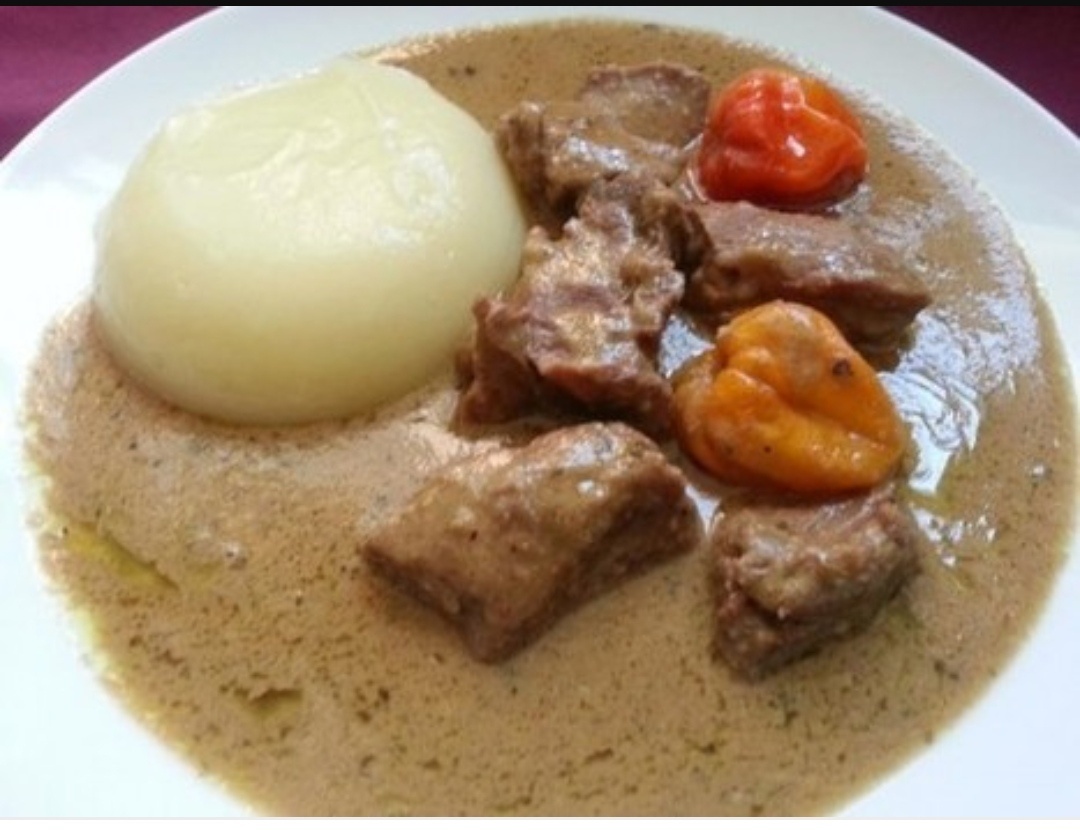 Peanut stew
🇸🇳 Senegal and 5 moreA rich West African stew of meat and vegetables in a spiced peanut sauce
Stew or curry, Lunch, Dinner
Peanut stew
🇸🇳 Senegal and 5 moreA rich West African stew of meat and vegetables in a spiced peanut sauce
Stew or curry, Lunch, Dinner