
Chuanr
In its own language: 串
Grilled skewers of meat, seafood or vegetables from northern China
Chuanr are skewered pieces of meat, seafood or vegetables, grilled over charcoal and widely eaten as street food in China. First made by Uyghur Muslims in Xinjiang, chuanr is now found across cities like Beijing and Tianjin, where it is seasoned with spices and sometimes served with bread or sweet bean sauce.
- Chuanr began with Uyghur Muslims in Xinjiang
- Lamb is the traditional meat, but many other types are used
- Chuanr is a common street food in Beijing and Tianjin
- Often seasoned with cumin and dried red pepper
- Sometimes served with grilled bread or sweet bean sauce
What is Chuanr?
Chuanr are small pieces of meat, seafood or vegetables threaded onto skewers and cooked over a charcoal fire. The most common type uses lamb, but chicken, beef, and seafood are also popular, and in some places, more unusual ingredients like insects or birds are used. The skewers are usually seasoned with a mix of spices, and sometimes brushed with oil or sesame. Chuanr is often enjoyed piping hot, straight from the grill, and can be served with breads or a sweet bean sauce.
Where does Chuanr come from?
Chuanr began in Xinjiang, a region in northwest China known for its Uyghur Muslim community. The dish is rooted in Chinese Islamic cooking and was originally made with lamb. Over time, chuanr spread far beyond Xinjiang, becoming a favorite in cities such as Beijing and Tianjin. Its popularity as a street food has made it a common sight across northern China, where it is sold from roadside grills and night markets.
How is Chuanr made?
To make chuanr, pieces of meat, seafood or vegetables are cut into small chunks and threaded onto metal or bamboo skewers. These are then grilled over hot charcoal, though sometimes electric heat or deep frying is used, especially in Beijing. The skewers are sprinkled or brushed with spices and oil during cooking. In some versions, bread or steamed buns are also grilled and served alongside or filled with the cooked meat.


How and when is Chuanr eaten?
Chuanr is most often eaten as a street snack or casual meal, especially in the evening. It is common to see people gathering around outdoor grills, choosing skewers and eating them hot. In some cities, small round breads are grilled with the same spices and used to sandwich the meat. Chuanr can be paired with sauces, such as sweet bean sauce, and is usually enjoyed with friends or family in lively settings.
Kinds of Chuanr
While lamb remains the classic choice, modern chuanr includes chicken, beef, seafood, and even insects in tourist areas. In Tianjin and Jinan, a local twist is to serve chuanr with filled breads, splitting them open to stuff with the grilled meat. Another variant uses steamed buns brushed with sweet bean sauce, offering a mild contrast to the spicy skewers.
What Chuanr means
Chuanr is closely linked to the Uyghur Muslim community and is a symbol of Chinese Islamic food culture. It has become a staple of northern Chinese street food, especially at night markets. In recent years, concerns about air pollution have led to restrictions on open-air chuanr grills in some cities, sparking debate and humor among locals.
Questions people ask about Chuanr
What is chuanr made of?
Chuanr is made from small pieces of meat, seafood or vegetables threaded onto skewers. Lamb is the most traditional, but chicken, beef, and other ingredients are also used.
Where did chuanr originate?
Chuanr comes from Xinjiang in northwest China, where it was first made by Uyghur Muslims. It later spread to other parts of China.
How is chuanr cooked?
The skewers are grilled over charcoal or sometimes deep-fried. They are seasoned with spices and sometimes brushed with oil or sesame.
Is chuanr always made with lamb?
No, while lamb is the classic choice, chuanr is now made with chicken, beef, seafood, and even more unusual ingredients in some places.
How is chuanr usually eaten?
Chuanr is eaten hot, often as a street snack or casual meal. In some cities, it is served with grilled bread or steamed buns, and sometimes paired with sweet bean sauce.
Good reading and sources
The facts on this page come from the Wikipedia article "Chuan (food)", written by its contributors and used under the CC BY-SA 4.0 licence, and from its Wikidata record (CC0). Thali rewrote the text in its own words, with AI assistance, and compares every page with the article to make sure no passage is copied. It may be reused under the same CC BY-SA 4.0 licence with a link back.
It may contain mistakes, and it is not dietary or allergy advice: recipes differ from cook to cook. If something is wrong, tell us. Last refreshed 2026-10-03.
More from China
All the food of China Tofu skin roll
🇨🇳 ChinaTofu skin wrapped around a savoury filling, served steamed or fried as dim sum
Main dish, Lunch, Dinner
Tofu skin roll
🇨🇳 ChinaTofu skin wrapped around a savoury filling, served steamed or fried as dim sum
Main dish, Lunch, Dinner
 Fried rice
🇨🇳 China and 5 moreCooked rice stir-fried with eggs, vegetables, meat or seafood, and seasonings
Main dish, Breakfast, Lunch
Fried rice
🇨🇳 China and 5 moreCooked rice stir-fried with eggs, vegetables, meat or seafood, and seasonings
Main dish, Breakfast, Lunch
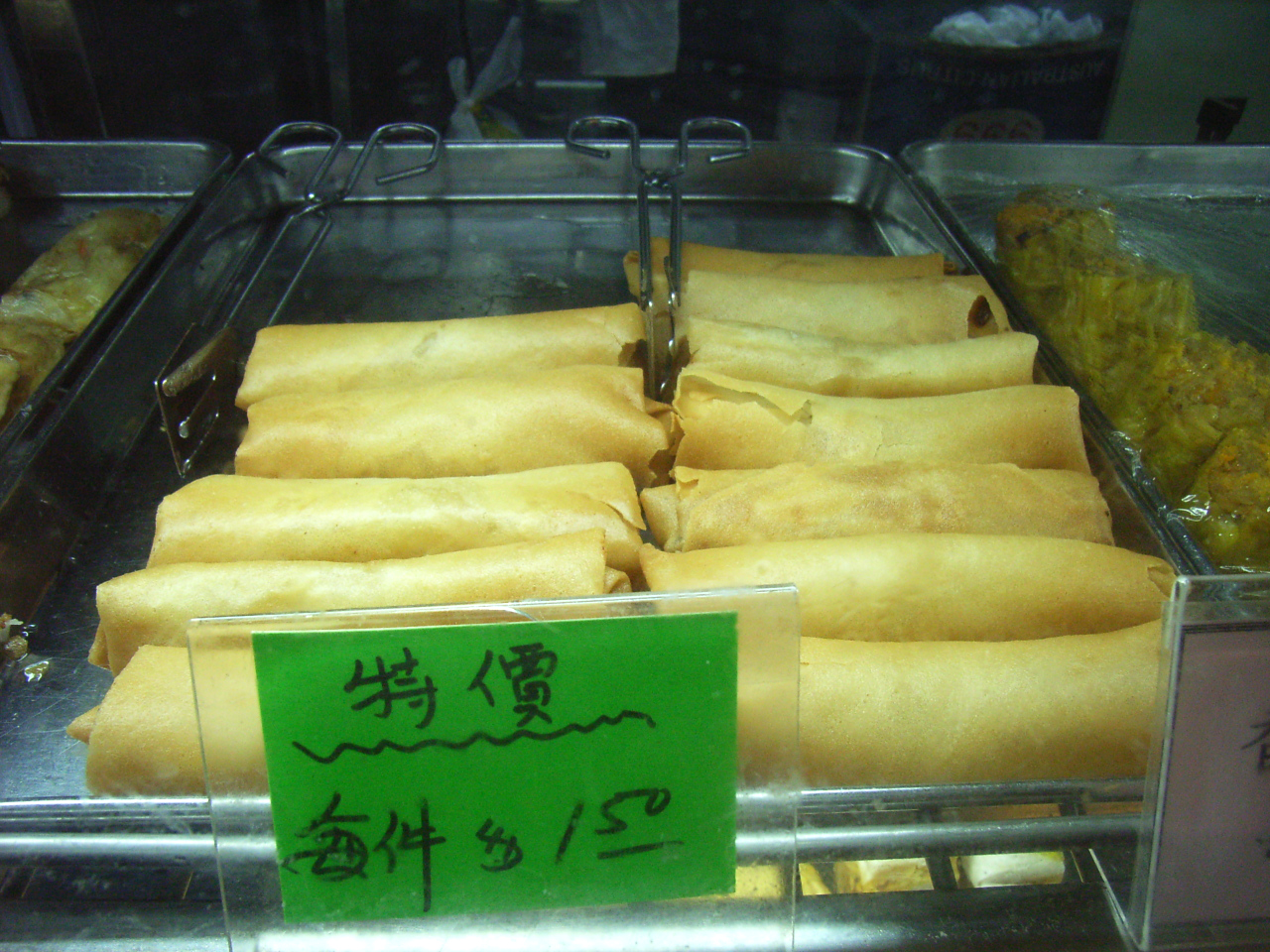 Spring roll春卷
🇨🇳 China and 5 moreA thin wrapper rolled around vegetables or meat, served fried or fresh
Main dish, Snacks, Lunch
Spring roll春卷
🇨🇳 China and 5 moreA thin wrapper rolled around vegetables or meat, served fried or fresh
Main dish, Snacks, Lunch
Its cousins elsewhere
All grills and roasts AsadoMeat
🇦🇷 Argentina and 4 moreBarbecued meats cooked over open fire, central to gatherings in Argentina and Uruguay
Main dish, Lunch, Dinner
AsadoMeat
🇦🇷 Argentina and 4 moreBarbecued meats cooked over open fire, central to gatherings in Argentina and Uruguay
Main dish, Lunch, Dinner
 KebapcheMeatкебапче
🇧🇬 BulgariaGrilled minced meat shaped like a sausage, a staple in Bulgaria
Grill or roast, Lunch, Dinner
KebapcheMeatкебапче
🇧🇬 BulgariaGrilled minced meat shaped like a sausage, a staple in Bulgaria
Grill or roast, Lunch, Dinner
 ChurrascoMeat
🇧🇷 Brazil and 6 moreGrilled meat, often beef, cooked over coals or on skewers in South America and Iberia
Main dish, Lunch, Dinner
ChurrascoMeat
🇧🇷 Brazil and 6 moreGrilled meat, often beef, cooked over coals or on skewers in South America and Iberia
Main dish, Lunch, Dinner
 SosatieMeat
🇿🇦 South AfricaSouth African skewers of marinated meat, often cooked over a fire
Main dish, Dinner, Lunch
SosatieMeat
🇿🇦 South AfricaSouth African skewers of marinated meat, often cooked over a fire
Main dish, Dinner, Lunch