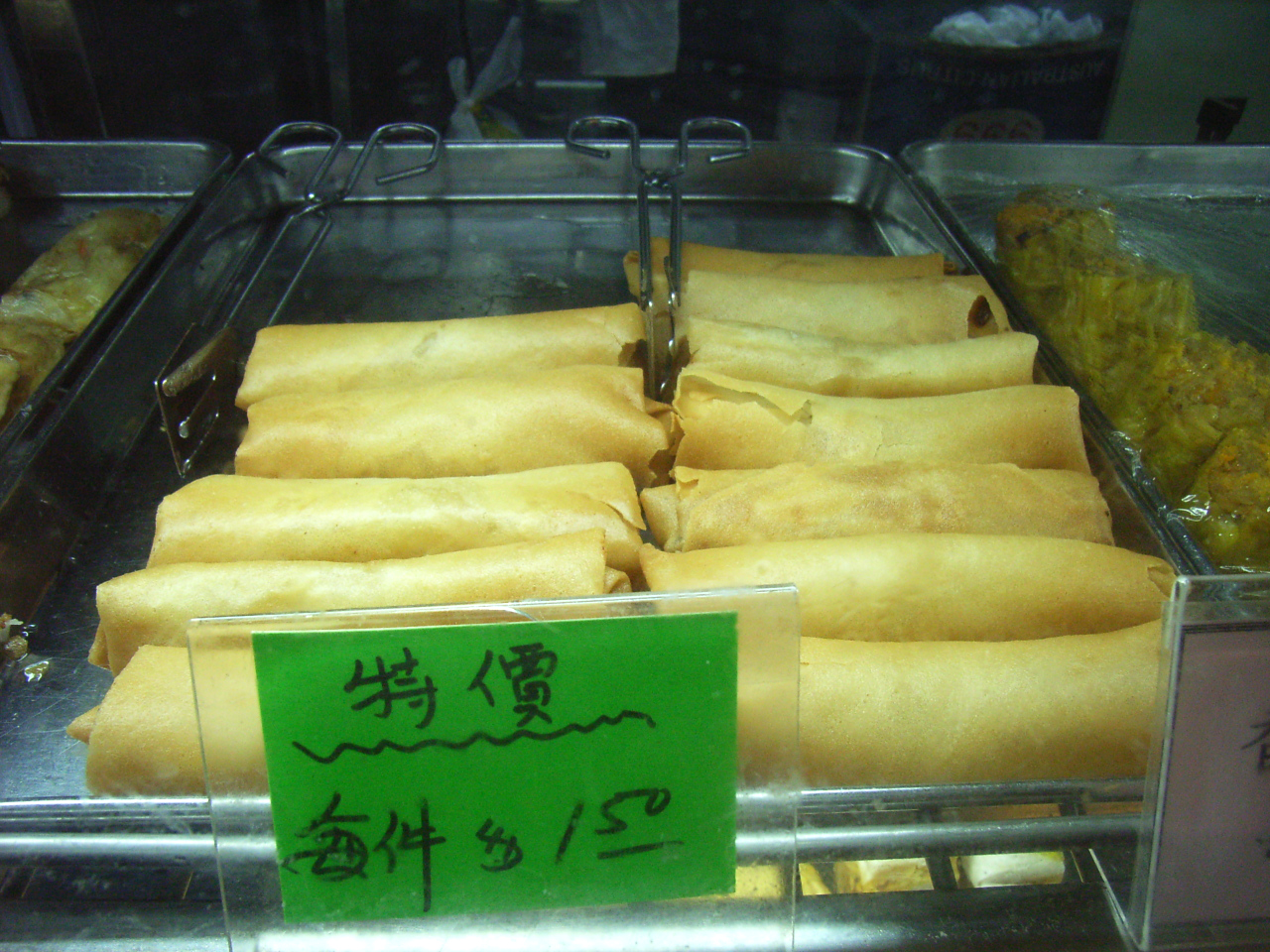
Spring roll
In its own language: 春卷
A thin wrapper rolled around vegetables or meat, served fried or fresh
Spring rolls are a rolled appetizer or dim sum found across East and Southeast Asia, especially in China, Vietnam, and Thailand. They are made by wrapping vegetables or ground meat in a thin pastry or rice paper, then served fried or fresh. Fillings and wrappers vary by region, and spring rolls are enjoyed at festivals, as snacks, or as part of a meal.
- Spring rolls are eaten fried or fresh, with fillings that vary by region
- They are linked to spring festivals and ancestor remembrance in China
- Vietnamese versions use rice paper and often include pork or shrimp
- Lumpia is the spring roll of Indonesia and the Philippines
- Dipping sauces like fish sauce or sweet and sour are common
What is Spring roll?
Spring rolls are small, rolled parcels with a thin wrapper encasing a filling. The wrapper can be made from wheat flour or rice paper, and the filling often includes vegetables such as cabbage and carrot, sometimes with pork, shrimp, or other meats. Some versions are fried for a crisp shell, while others are served fresh and soft. Dipping sauces like soy, sweet and sour, or fish sauce often accompany them. The taste and texture depend on the filling and whether the roll is fried or fresh.
Where does Spring roll come from?
Spring rolls began in China as a seasonal food to celebrate the arrival of spring, originally filled with the first fresh vegetables after winter. They are closely tied to the Spring Festival and other springtime holidays. Over centuries, the dish spread throughout East and Southeast Asia, adapting to local tastes and ingredients. The name and form of spring rolls vary widely, reflecting the movement of people and culinary traditions across regions.
How is Spring roll made?
To make spring rolls, a thin wrapper—either wheat-based or rice paper—is filled with a mixture of vegetables, and sometimes meat or seafood. The filling can be raw, cooked, or stir-fried, depending on the style. The filled wrapper is rolled tightly, then either deep-fried for a crunchy texture or served fresh. In some places, peanut powder, herbs, or even sugar are added before rolling. Dipping sauces are prepared separately and served alongside.


How and when is Spring roll eaten?
Spring rolls are eaten as snacks, appetizers, or as part of a meal. In China, they are popular during spring festivals and as dim sum. In Vietnam, both fried and fresh versions are served with dipping sauces, often at room temperature. Across Southeast Asia, they are common street food and party snacks. In Western countries, they are found in restaurants and supermarkets, sometimes with local twists. They may be eaten with hands or chopsticks, and dipping is customary.
Kinds of Spring roll
Spring rolls take many forms across regions. In Vietnam, fried rolls are called chả giò or nem rán, while fresh rice paper rolls are known as gỏi cuốn. Indonesia and the Philippines have lumpia, which can be fried or fresh. Taiwan's popiah uses peanut powder and sometimes sugar. In Europe, names like loempia, Frühlingsrolle, or nem reflect local adaptations. Fillings, wrappers, and sauces differ, but the basic rolled form remains.
What Spring roll means
Spring rolls are tied to festivals and family gatherings, especially in China during the Spring Festival and in Vietnam for special occasions. They symbolize renewal and the arrival of spring. In many countries, spring rolls have become part of everyday eating and street food culture. Their adaptability has led to many local versions, and they are often seen as a symbol of Asian cuisine abroad.
Questions people ask about Spring roll
What are spring rolls made of?
Spring rolls are made by wrapping vegetables, and sometimes meat or seafood, in a thin pastry or rice paper. The filling and wrapper can differ by region, but cabbage, carrot, pork, shrimp, and bean sprouts are common.
Where do spring rolls come from?
Spring rolls originated in China as a seasonal food for the Spring Festival. Over time, they spread to Vietnam, Thailand, and throughout Southeast Asia, with each region developing its own style.
Are spring rolls always fried?
No, spring rolls can be served fried for a crisp texture or fresh (unfried) with a soft wrapper. Both styles are popular in different countries.
What sauces are served with spring rolls?
Common sauces include soy sauce, sweet and sour sauce, fish sauce, and hoisin-peanut sauce, depending on the country and type of spring roll.
Are spring rolls vegetarian?
Spring rolls can be vegetarian, filled only with vegetables and herbs, but many versions include pork, shrimp, or other meats. The filling varies by region and recipe.
Good reading and sources
The facts on this page come from the Wikipedia article "Spring roll", written by its contributors and used under the CC BY-SA 4.0 licence, and from its Wikidata record (CC0). Thali rewrote the text in its own words, with AI assistance, and compares every page with the article to make sure no passage is copied. It may be reused under the same CC BY-SA 4.0 licence with a link back.
It may contain mistakes, and it is not dietary or allergy advice: recipes differ from cook to cook. If something is wrong, tell us. Last refreshed 2026-10-03.
More from China
All the food of China Pasta
🇮🇹 Italy and 1 moreUnleavened dough shaped and cooked, a staple of Italian cuisine
Main dish, Lunch, Dinner
TofuVegan豆腐
🇨🇳 China and 5 moreSoft white blocks made by curdling soy milk and pressing the curds
Main dish
Pasta
🇮🇹 Italy and 1 moreUnleavened dough shaped and cooked, a staple of Italian cuisine
Main dish, Lunch, Dinner
TofuVegan豆腐
🇨🇳 China and 5 moreSoft white blocks made by curdling soy milk and pressing the curds
Main dish
 Chuanr串
🇨🇳 ChinaGrilled skewers of meat, seafood or vegetables from northern China
Grill or roast, Dinner, Snacks
Chuanr串
🇨🇳 ChinaGrilled skewers of meat, seafood or vegetables from northern China
Grill or roast, Dinner, Snacks
 Tofu skin roll
🇨🇳 ChinaTofu skin wrapped around a savoury filling, served steamed or fried as dim sum
Main dish, Lunch, Dinner
Tofu skin roll
🇨🇳 ChinaTofu skin wrapped around a savoury filling, served steamed or fried as dim sum
Main dish, Lunch, Dinner
Its cousins elsewhere
All main dishes Chicken soupMeat
🇺🇸 United States and 4 moreA hot soup of chicken simmered with vegetables, noodles or grains
Soup, Lunch, Dinner
Chicken soupMeat
🇺🇸 United States and 4 moreA hot soup of chicken simmered with vegetables, noodles or grains
Soup, Lunch, Dinner
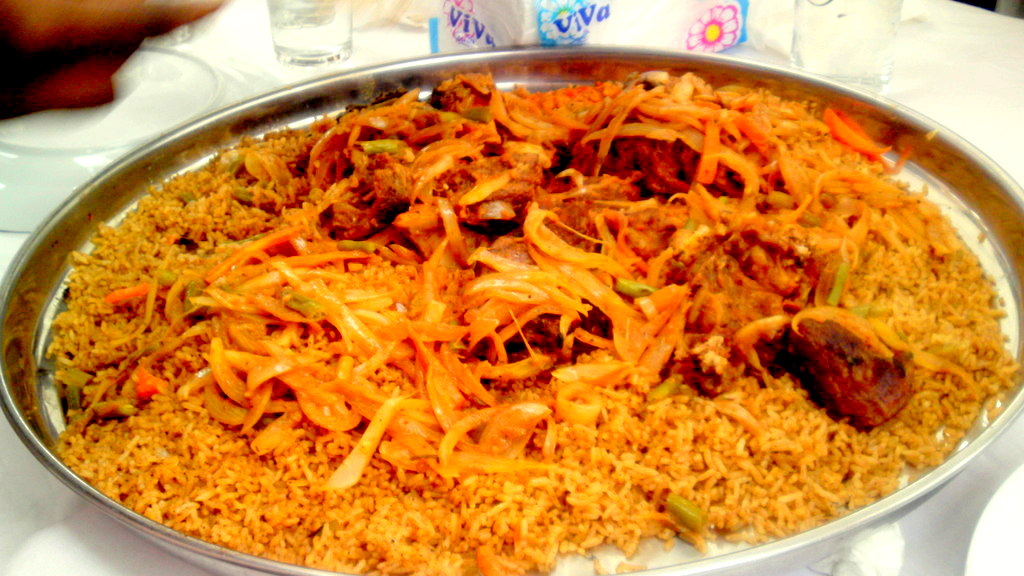 Riz grasMeat
🇧🇫 Burkina Faso and 4 moreWest African rice cooked with meat and vegetables, served hot
Main dish, Lunch, Dinner
Riz grasMeat
🇧🇫 Burkina Faso and 4 moreWest African rice cooked with meat and vegetables, served hot
Main dish, Lunch, Dinner
 Pea soup
🇸🇪 Sweden and 5 moreA thick, hearty soup made from dried peas, found in many world cuisines
Soup, Lunch, Dinner
Pea soup
🇸🇪 Sweden and 5 moreA thick, hearty soup made from dried peas, found in many world cuisines
Soup, Lunch, Dinner
 Pot-au-feu
🇫🇷 FranceFrench boiled meat and vegetable stew served in two courses
Stew or curry, Lunch, Dinner
Pot-au-feu
🇫🇷 FranceFrench boiled meat and vegetable stew served in two courses
Stew or curry, Lunch, Dinner