
Cocada
Chewy coconut sweets baked and served at room temperature
Cocada is a coconut confection made with shredded coconut, eggs, and sugar, found across Latin America and Spain. These sweets are baked and then cooled, resulting in a chewy or sometimes creamy texture. Cocadas come in many shapes and colors, often garnished with almonds or dried fruit, and are enjoyed as a snack or dessert.
- Cocada is made with shredded coconut, eggs, and sugar.
- It is baked and served at room temperature for a chewy texture.
- Cocadas are popular in Brazil, Mexico, Colombia, and Spain.
- They can be topped with almonds or dried fruit.
- Hundreds of recipes exist, from firm to creamy styles.
What is Cocada?
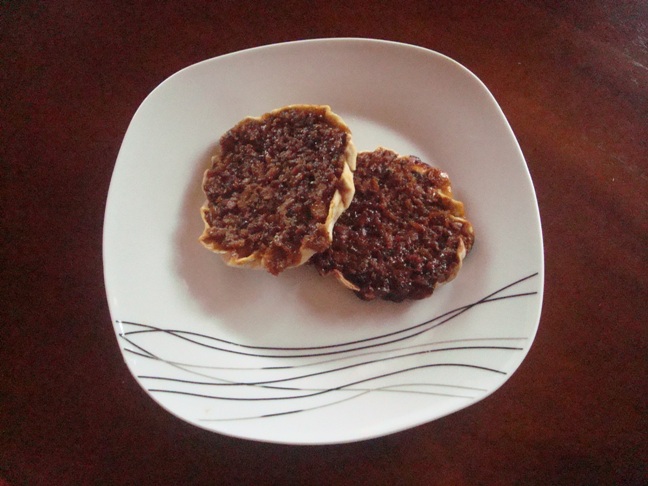
Cocada is a sweet treat made mainly from shredded coconut, eggs, and sugar. The mixture is baked, then cooled to room temperature, giving it a chewy, sometimes creamy texture. Modern versions may use food coloring, so cocadas can appear in a range of colors, though traditional ones are golden brown. Almonds or dried fruit are often added for extra flavor and decoration. Shapes and sizes vary: some are round, others long and thin, and the texture can range from firm and dense to soft like flan.
Where does Cocada come from?
Cocada has roots in both Latin America and the Iberian Peninsula, with evidence of its presence as early as 1878 in Peru. It is especially popular in countries like Brazil, Mexico, Colombia, and Spain. Each country has developed its own style and traditions around cocada, reflecting local tastes and ingredients. In Brazil, it is a traditional sweet from the northeast, while in Spain and Latin American countries, it is a familiar sight in bakeries and street markets.
How is Cocada made?
To make cocada, shredded coconut is mixed with eggs and sugar, sometimes with coconut milk or condensed milk for richness. The mixture may be shaped into balls, logs, or other forms, then baked until set. Food coloring can be added for visual appeal, and almonds or dried fruit are often used as toppings. Once baked, cocadas are cooled to room temperature before serving, which helps develop their chewy or creamy texture.



How and when is Cocada eaten?
Cocada is usually enjoyed as a snack or dessert. In many countries, it is sold by street vendors, especially at beaches or from baskets in busy areas. Bakeries also offer cocadas, sometimes with extra touches like a cherry on top or a syrup glaze. It is eaten at room temperature and is popular for everyday enjoyment, rather than being tied to a specific holiday or festival.
Kinds of Cocada
There are many regional and local versions of cocada. In Brazil, cocadas are often long and thin, and a special variety called 'black cocada' uses brown sugar and slightly burnt coconut. In Uruguay, a similar sweet called 'coquitos' is found in bakeries, sometimes topped with a cherry. In Venezuela, the name cocada refers to a coconut drink, while the sweet is called 'conserva de coco'. Some versions are very sweet and firm, while others are creamy and soft.
What Cocada means
Cocada is a familiar part of daily life in many Latin American and Iberian countries. In Brazil, the phrase 'rei da cocada preta' (king of the black cocada) is used to describe someone who is arrogant. The sweet is a common sight at street stalls, bakeries, and markets, and is enjoyed by people of all ages. Its presence in so many countries shows its adaptability and popularity.
Questions people ask about Cocada
What is cocada made of?
Cocada is made mainly from shredded coconut, eggs, and sugar. Some recipes also use coconut milk, condensed milk, food coloring, almonds, or dried fruit.
Where does cocada come from?
Cocada is found across Latin America and Spain, with a long history in countries like Brazil, Mexico, Colombia, and Peru.
How is cocada usually served?
Cocada is baked and then served at room temperature. It is often sold as a snack by street vendors or in bakeries.
Are there different types of cocada?
Yes, cocada comes in many forms. Some are firm and sweet, others creamy. In Brazil, 'black cocada' uses brown sugar and burnt coconut.
Is cocada vegetarian?
Yes, cocada is vegetarian as it contains no meat or fish, but it does include eggs and sometimes dairy.
Good reading and sources
The facts on this page come from the Wikipedia article "Cocada", written by its contributors and used under the CC BY-SA 4.0 licence, and from its Wikidata record (CC0). Thali rewrote the text in its own words, with AI assistance, and compares every page with the article to make sure no passage is copied. It may be reused under the same CC BY-SA 4.0 licence with a link back.
It may contain mistakes, and it is not dietary or allergy advice: recipes differ from cook to cook. If something is wrong, tell us. Last refreshed 2026-10-03.
More from Brazil
All the food of Brazil Churrochurros
🇪🇸 Spain and 5 moreRidged, deep-fried dough sticks often eaten hot with chocolate or coffee
Sweet or dessert, Breakfast, Snacks
Churrochurros
🇪🇸 Spain and 5 moreRidged, deep-fried dough sticks often eaten hot with chocolate or coffee
Sweet or dessert, Breakfast, Snacks
 ÉclairVegetarian
🇫🇷 France and 2 moreChoux pastry filled with cream and topped with icing
Pie or savoury pastry, Snacks, Tea time
ÉclairVegetarian
🇫🇷 France and 2 moreChoux pastry filled with cream and topped with icing
Pie or savoury pastry, Snacks, Tea time
 Dulce de lecheVegetarian
🇦🇷 Argentina and 2 moreA sweet, spreadable milk and sugar confection from Latin America
Sweet or dessert, Snacks, Tea time
Dulce de lecheVegetarian
🇦🇷 Argentina and 2 moreA sweet, spreadable milk and sugar confection from Latin America
Sweet or dessert, Snacks, Tea time
 Crème caramelVegetarian
🇫🇷 France and 5 moreCustard dessert topped with a layer of liquid caramel
Sweet or dessert
Crème caramelVegetarian
🇫🇷 France and 5 moreCustard dessert topped with a layer of liquid caramel
Sweet or dessert
Its cousins elsewhere
All sweets and desserts Es telerVegetarian
🇮🇩 IndonesiaIndonesian fruit cocktail with coconut, avocado, jackfruit and sweet milk over ice
Drink, Snacks
Es telerVegetarian
🇮🇩 IndonesiaIndonesian fruit cocktail with coconut, avocado, jackfruit and sweet milk over ice
Drink, Snacks
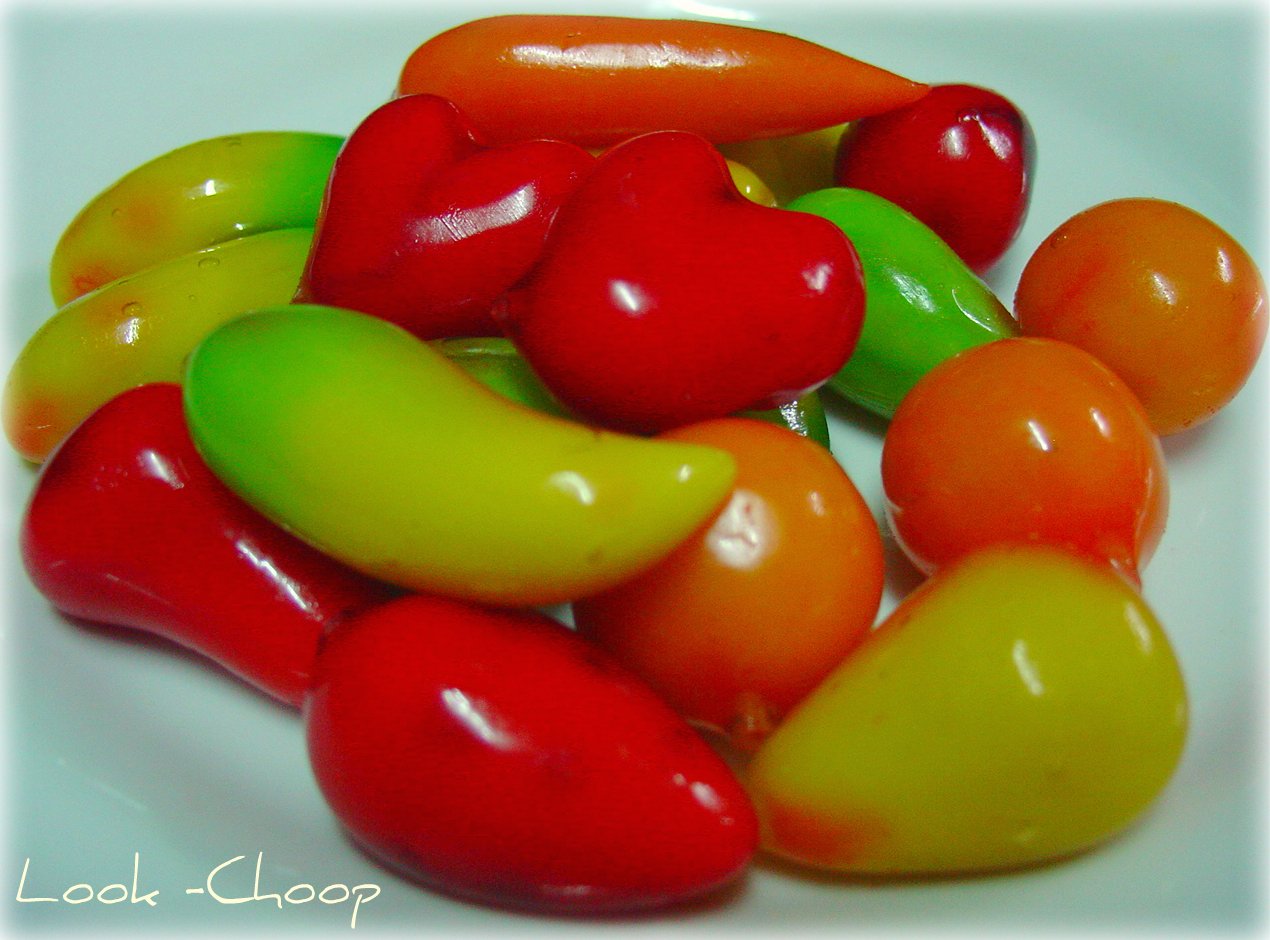 Luk chupVeganลูกชุบ
🇹🇭 ThailandThai sweets shaped and colored to look like tiny fruits and vegetables
Sweet or dessert, Snacks, Tea time
Luk chupVeganลูกชุบ
🇹🇭 ThailandThai sweets shaped and colored to look like tiny fruits and vegetables
Sweet or dessert, Snacks, Tea time
 Christmas pudding
🇬🇧 United Kingdom and 4 moreSteamed or boiled sweet pudding with dried fruit, served at Christmas dinner
Sweet or dessert, Dinner
Christmas pudding
🇬🇧 United Kingdom and 4 moreSteamed or boiled sweet pudding with dried fruit, served at Christmas dinner
Sweet or dessert, Dinner
 King cake
🇫🇷 France and 5 moreA festive sweet bread or pastry with a hidden token, eaten for Epiphany and Carnival
Pie or savoury pastry, Snacks, Tea time
King cake
🇫🇷 France and 5 moreA festive sweet bread or pastry with a hidden token, eaten for Epiphany and Carnival
Pie or savoury pastry, Snacks, Tea time