
Corned beef
Salt-cured beef, often pink, eaten fresh or canned in many countries
Corned beef is beef preserved by curing with coarse salt, sometimes with sugar and spices, and often with nitrates that keep its pink color. It has roots in Ireland and the British Isles, but is now eaten worldwide, both as a fresh cut and in canned form. Corned beef is a key ingredient in many regional dishes and is especially linked to Saint Patrick's Day in North America.
- Corned beef is salt-cured, often with nitrates for a pink color
- Canned corned beef is called 'bully beef' in the UK and Commonwealth
- It was a staple ration for soldiers and sailors from the 17th to 20th centuries
- Corned beef is linked to Saint Patrick's Day in the United States
- Most canned corned beef today comes from South America
What is Corned beef?
Corned beef is beef that has been preserved by curing with large grains of salt, sometimes called 'corns' of salt. Most versions use nitrates or nitrites, which give the meat a pink color and help prevent spoilage. Sugar and spices are sometimes added to the brine. Corned beef can be found as a whole cut, usually brisket, or minced and canned. The canned form is known as 'bully beef' in some places. Its taste is salty and savory, and the texture can range from firm slices to soft, shredded meat.
Where does Corned beef come from?
The practice of salt-curing beef goes back to ancient Europe and the Middle East. The term 'corned' refers to the coarse salt grains used in the process. Ireland became a major producer from the 17th century, especially in cities like Cork, Dublin, and Belfast. Corned beef was exported widely across the British Empire and to the French West Indies. In Ireland, it was once a rare and valued dish due to the cost of beef and salt. Canned corned beef became important in the 19th and 20th centuries, especially during wars.
How is Corned beef made?
To make corned beef, a cut of beef is soaked in a brine made from coarse salt, often with added sugar, spices, and nitrates. The meat is left to cure for a period, which preserves it and gives it a distinctive flavor and color. Nitrates are commonly used to keep the meat pink and safe from harmful bacteria. The cured beef can then be cooked or canned. Canned corned beef is precooked, pressed into shape, and sealed for long storage.


How and when is Corned beef eaten?
Corned beef is eaten in many ways. In North America, it is popular in sandwiches, such as the Reuben, and served with potatoes or eggs for breakfast. In Newfoundland and Labrador, it is a key part of Jiggs dinner. Canned corned beef is used in military rations and was a staple for soldiers and sailors. On Saint Patrick's Day in the United States, it is often served with cabbage. It can be eaten hot or cold, sliced or shredded.
Kinds of Corned beef
Regional versions differ in cut, brine, and preparation. In the United States and Canada, brisket is common, while in Newfoundland and Labrador, it is called 'salt beef' and sold in brine. Some recipes add sugar and spices to the cure. Without nitrates, the meat turns gray and is sometimes called 'New England corned beef.' Smoking the cured beef produces pastrami or Montreal-style smoked meat.
What Corned beef means
Corned beef is closely linked to Irish identity in North America, especially on Saint Patrick's Day, though it was not a common dish in Ireland itself. Jewish communities in North America also make corned beef, often smoking it for delicatessen fare. Canned corned beef, or 'bully beef,' was a standard military ration from the 17th century through World War II and remains part of some armed forces' field rations. It has a place in daily meals and festival tables around the world.
When Corned beef is on the table
Questions people ask about Corned beef
What is corned beef made of?
Corned beef is made from beef that is cured in a brine of coarse salt, often with added sugar, spices, and nitrates to preserve it and give it a pink color.
Where does corned beef come from?
Corned beef has roots in Ireland and the British Isles, where it was produced and exported from cities like Cork, Dublin, and Belfast. It is now eaten worldwide.
Why is corned beef pink?
Most corned beef recipes use nitrates or nitrites in the curing process. These chemicals react with the beef to keep it pink and help prevent spoilage.
How is canned corned beef different from fresh?
Canned corned beef is precooked, pressed into shape, and sealed for long storage. Fresh corned beef is usually sold as a whole cut, often brisket, and cooked at home.
When is corned beef usually eaten?
Corned beef is eaten year-round in many countries, but in the United States it is especially popular on Saint Patrick's Day. It is also a key part of military rations and various regional dishes.
Good reading and sources
- Encyclopaedia BritannicaArticle
- That Time an Astronaut Smuggled a Corned Beef Sandwich To SpaceSmithsonian Magazine, Article
- How a Uruguayan town revolutionised the way we eatBBC, Article
The facts on this page come from the Wikipedia article "Corned beef", written by its contributors and used under the CC BY-SA 4.0 licence, and from its Wikidata record (CC0). Thali rewrote the text in its own words, with AI assistance, and compares every page with the article to make sure no passage is copied. It may be reused under the same CC BY-SA 4.0 licence with a link back.
It may contain mistakes, and it is not dietary or allergy advice: recipes differ from cook to cook. If something is wrong, tell us. Last refreshed 2026-10-03.
More from Ireland
All the food of Ireland Fish and chipsFish or seafood
🇬🇧 United Kingdom and 8 moreBattered fried fish served hot with thick-cut chips
Main dish, Lunch, Dinner
Fish and chipsFish or seafood
🇬🇧 United Kingdom and 8 moreBattered fried fish served hot with thick-cut chips
Main dish, Lunch, Dinner
 LaverbreadVegan
🇬🇧 United Kingdom and 1 moreA soft, dark green seaweed paste from Wales, often served at breakfast
Main dish, Breakfast
LaverbreadVegan
🇬🇧 United Kingdom and 1 moreA soft, dark green seaweed paste from Wales, often served at breakfast
Main dish, Breakfast
 Peking duckMeat北京烤鸭
🇨🇳 China and 4 moreCrisp-skinned roast duck from Beijing, carved and served with pancakes and condiments
Main dish, Dinner, Lunch
Peking duckMeat北京烤鸭
🇨🇳 China and 4 moreCrisp-skinned roast duck from Beijing, carved and served with pancakes and condiments
Main dish, Dinner, Lunch
Its cousins elsewhere
All main dishes Pilaf
🇺🇿 Uzbekistan and 5 moreRice cooked in stock with spices, meat or vegetables, with each grain kept separate
Main dish, Lunch, Dinner
Pilaf
🇺🇿 Uzbekistan and 5 moreRice cooked in stock with spices, meat or vegetables, with each grain kept separate
Main dish, Lunch, Dinner
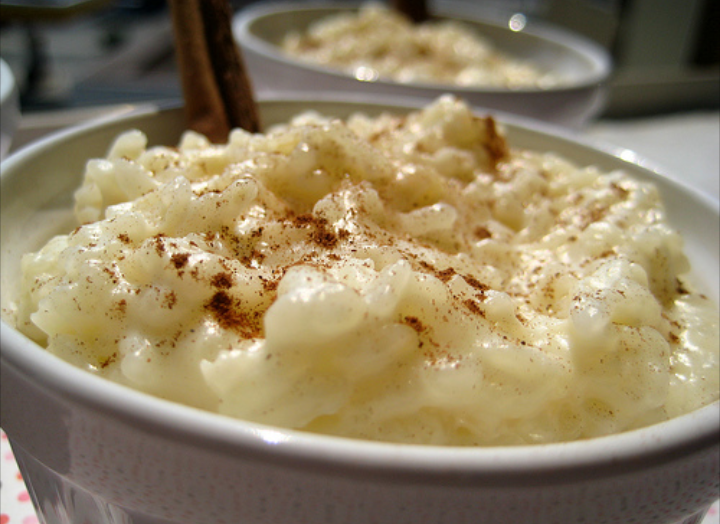 Rice pudding
🇮🇳 India and 4 moreSweetened rice cooked in milk, found in many forms worldwide
Sweet or dessert, Breakfast, Lunch
Zereshk poloMeatزرشکپلو
🇮🇷 Iran and 1 morePersian rice with tart barberries, often served with saffron chicken
Main dish, Lunch, Dinner
Rice pudding
🇮🇳 India and 4 moreSweetened rice cooked in milk, found in many forms worldwide
Sweet or dessert, Breakfast, Lunch
Zereshk poloMeatزرشکپلو
🇮🇷 Iran and 1 morePersian rice with tart barberries, often served with saffron chicken
Main dish, Lunch, Dinner