Damper
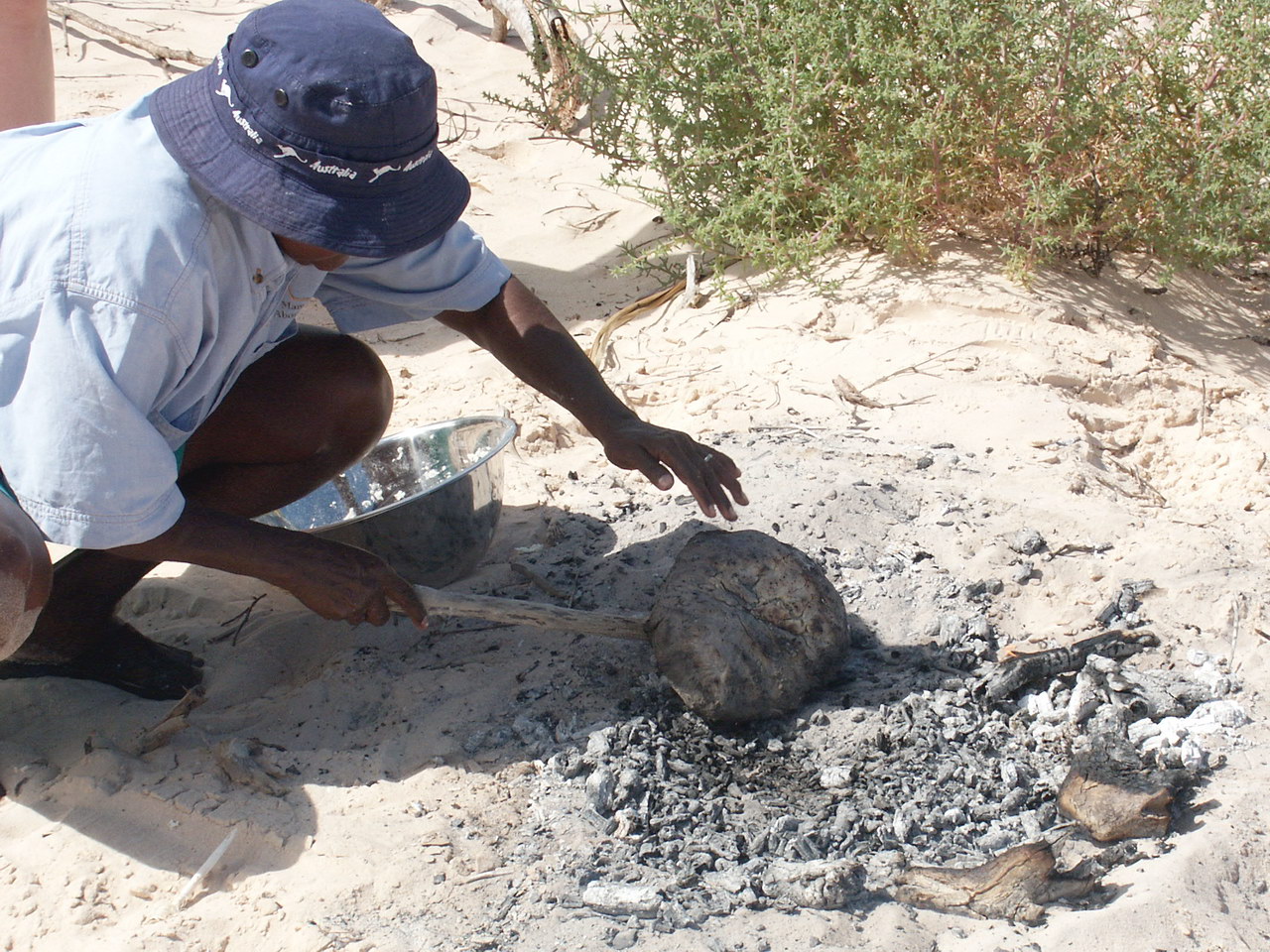
Simple wheat bread baked in campfire ashes, a staple of Australia's bush history
Damper is a thick, rustic bread from Australia, made by mixing wheat flour, salt, and water into a dough and baking it in the ashes of a campfire. Traditionally prepared by early European settlers and stockmen, it was a practical food for those traveling in remote areas. Damper is closely tied to rural Australian life and is often eaten with meat or golden syrup.
- Baked in campfire ashes or a camp oven
- Made from wheat flour, salt, and water
- Staple for Australian stockmen and settlers
- Sometimes called bush scones or johnnycakes
- Eaten with meat or golden syrup
What is Damper?
Damper is a plain, thick bread made from wheat flour, salt, and water, sometimes with a little butter if available. The dough is shaped and baked directly in the ashes of a campfire or inside a greased camp oven. The result is a dense, hearty loaf with a crisp crust and soft interior. Damper is known for its simplicity and is closely associated with rural and bush life in Australia. It is usually eaten with dried or cooked meat, or spread with golden syrup.
Where does Damper come from?
Damper was developed by early European settlers and stockmen in Australia who needed a way to make bread with minimal ingredients while traveling in remote areas. The name comes from a British term for something that takes the edge off hunger, and may also relate to the phrase 'damp down' a fire. While damper is considered a symbol of Australian rural life, similar hearth breads exist in other cultures. There is ongoing study into whether Indigenous Australian bread-making methods influenced the colonial version.
How is Damper made?
To make damper, wheat flour, salt, and water are mixed into a dough, with butter added if on hand. The dough is kneaded, shaped, and then baked either directly in the hot ashes of a campfire or in a greased camp oven placed among the coals. Sometimes, a portion of dough from the previous day is added, which can naturally leaven the bread, though damper is usually unleavened. The bread is ready when it has a firm crust and is cooked through.

How and when is Damper eaten?
Damper was a staple for stockmen and squatters traveling through the Australian bush, where carrying flour was easier than transporting baked bread. It was commonly eaten with whatever meat was available or with golden syrup. The bread is usually broken apart and shared, often eaten hot from the fire. Today, damper is still made at campfires and is a symbol of Australian heritage, especially in rural settings.
Kinds of Damper
When made as small, individual portions, damper is sometimes called 'bush scones' or 'johnnycakes.' Unlike the North American cornmeal johnnycake, the Australian version remains wheat-based and is often pan-fried. Some recipes use a sourdough-like method by adding old dough to the new batch. While the basic ingredients remain the same, modern versions may include additions like beer or herbs.
What Damper means
Damper is seen as a quintessential part of Australian bush culture and is emblematic of early settler and rural life. It is distinct from Indigenous Australian bush bread, which uses native seeds and roots. Damper is often made today as a nod to tradition during camping trips and bush gatherings. Its simple preparation and connection to the outdoors keep it an enduring symbol of Australia's colonial past.
Questions people ask about Damper
What is damper made of?
Damper is made from wheat flour, salt, and water, with butter added if available. The ingredients are mixed into a dough and baked in the ashes of a campfire or in a camp oven.
Where does damper come from?
Damper originated in Australia and was traditionally prepared by early European settlers and stockmen who traveled in remote areas.
How is damper cooked?
Damper is usually baked directly in the hot ashes of a campfire or inside a greased camp oven placed among the coals. It can also be pan-fried when made as smaller portions.
Is damper the same as bush bread?
No, damper is made from wheat flour and is a colonial-era bread, while bush bread is an Indigenous Australian food made from native seeds, nuts, and roots.
What do people eat with damper?
Damper is commonly eaten with dried or cooked meat, or spread with golden syrup. It was a practical food for those traveling in the Australian bush.
Good reading and sources
- Damper (food) on WikipediaEncyclopedia
- More photos on Wikimedia CommonsPhotos
- Wikidata recordOpen data
The facts on this page come from the Wikipedia article "Damper (food)", written by its contributors and used under the CC BY-SA 4.0 licence, and from its Wikidata record (CC0). Thali rewrote the text in its own words, with AI assistance, and compares every page with the article to make sure no passage is copied. It may be reused under the same CC BY-SA 4.0 licence with a link back.
It may contain mistakes, and it is not dietary or allergy advice: recipes differ from cook to cook. If something is wrong, tell us. Last refreshed 2026-10-03.
More from Australia
All the food of Australia Scone
🇬🇧 United Kingdom and 5 moreA quick bread, sweet or savoury, served with tea in Britain and beyond
Bread, Tea time, Breakfast
Scone
🇬🇧 United Kingdom and 5 moreA quick bread, sweet or savoury, served with tea in Britain and beyond
Bread, Tea time, Breakfast
 Hot cross bunVegetarian
🇬🇧 United Kingdom and 3 moreA sweet, spiced bun with a cross on top, eaten at Easter
Bread, Breakfast, Snacks
Hot cross bunVegetarian
🇬🇧 United Kingdom and 3 moreA sweet, spiced bun with a cross on top, eaten at Easter
Bread, Breakfast, Snacks
 CrumpetVegetarian
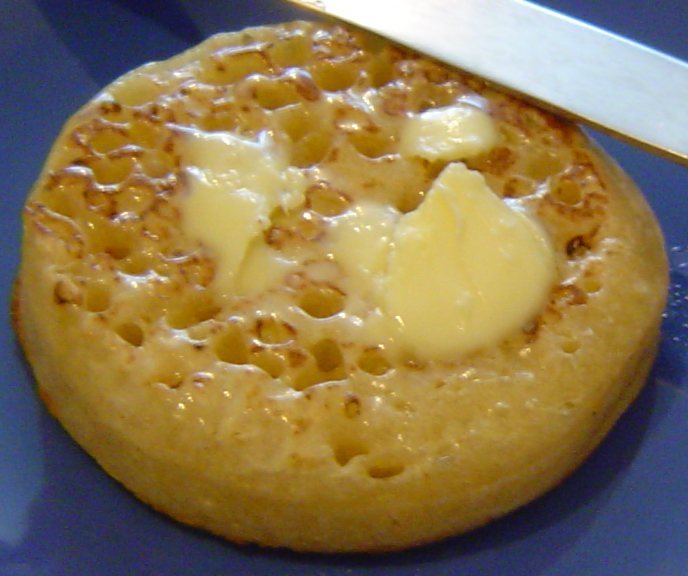
🇬🇧 United Kingdom and 5 moreRound, spongy griddle bread with a porous top, often eaten toasted with butter
Bread, Breakfast, Snacks
CrumpetVegetarian
🇬🇧 United Kingdom and 5 moreRound, spongy griddle bread with a porous top, often eaten toasted with butter
Bread, Breakfast, Snacks
 WineVegan
🇬🇪 Georgia and 5 moreAlcoholic drink made by fermenting grape juice in many styles and colors
Drink
WineVegan
🇬🇪 Georgia and 5 moreAlcoholic drink made by fermenting grape juice in many styles and colors
Drink
Its cousins elsewhere
All breads PitaVegan
🇪🇬 Egypt and 5 moreRound, leavened flatbread baked from wheat flour, common across the Middle East and Mediterranean
Bread
PitaVegan
🇪🇬 Egypt and 5 moreRound, leavened flatbread baked from wheat flour, common across the Middle East and Mediterranean
Bread
 Bagel
🇵🇱 Poland and 2 moreRing-shaped bread roll, boiled then baked for a dense, chewy texture
Bread, Breakfast, Lunch
PuriVegan
🇮🇳 India and 2 moreUnleavened wheat flatbread, deep-fried until puffed and golden
Bread, Breakfast, Snacks
Bagel
🇵🇱 Poland and 2 moreRing-shaped bread roll, boiled then baked for a dense, chewy texture
Bread, Breakfast, Lunch
PuriVegan
🇮🇳 India and 2 moreUnleavened wheat flatbread, deep-fried until puffed and golden
Bread, Breakfast, Snacks