
Fërgesë
Albanian baked dish of peppers, tomatoes and salted curd cheese
Fërgesë is a casserole from central Albania, made with bell peppers, tomatoes, onions, garlic and gjizë, a local salted curd cheese. The vegetables and cheese are cooked together in olive oil and then baked until creamy. It is served warm, either as a main dish or a side, especially when fresh produce is available.
- Made with bell peppers, tomatoes, onions, garlic and gjizë cheese
- Baked in a clay dish until creamy
- Popular in Tirana, Durrës and nearby cities
- Served warm as a main or side dish
- A liver-based version is known as Fërgesë Tirane
What is Fërgesë?
Fërgesë is a baked Albanian dish where vegetables and cheese come together in a clay pot. It uses sweet red or green bell peppers, ripe tomatoes, onions, and garlic, all cooked with gjizë, a salted curd cheese from Albania. Olive oil brings the ingredients together, and the mixture is baked until it turns smooth and creamy. The finished dish is typically served warm and has a rich, savory flavor from the blend of vegetables and cheese.
Where does Fërgesë come from?
This dish is rooted in central Albania, especially around cities like Tirana and Durrës. Fërgesë has long been a staple in Albanian homes, particularly in areas where gjizë is made. Its preparation is closely tied to the months when local peppers and tomatoes are plentiful, reflecting the region’s agricultural rhythms. Over time, it has become recognized as a symbol of Albanian home cooking.
How is Fërgesë made?
To make Fërgesë, cooks chop peppers, tomatoes, and onions, then gently fry them in olive oil. Garlic is added for extra aroma. Once the vegetables soften, gjizë is stirred in, creating a thick mixture. The seasoned blend, often with bay leaves, salt, and pepper, is transferred to a clay baking dish and baked until everything melds into a creamy, unified casserole.

How and when is Fërgesë eaten?
Fërgesë is usually enjoyed warm, either as a main course or as a side. It is served at midday or in the evening, often with bread to scoop up the soft mixture. The dish is most common when fresh vegetables are at their best, making it a seasonal favorite in Albanian households. It is eaten in both family settings and local restaurants.
Kinds of Fërgesë
A well-known variation replaces the cheese with liver, especially in Tirana, where it is called Fërgesë Tirane. Some cooks might use white cheese instead of gjizë if the latter is unavailable. While the classic version is vegetarian, these changes reflect local tastes and ingredient availability.
What Fërgesë means
Fërgesë is a familiar part of daily meals in central Albania. Its use of local cheese and vegetables highlights regional food traditions. The dish is not tied to any particular holiday or religious event, but it is valued for its comforting, home-cooked character and connection to Albanian identity.
Questions people ask about Fërgesë
What ingredients are in Fërgesë?
Fërgesë is made with bell peppers, tomatoes, onions, garlic, gjizë (a salted Albanian curd cheese), olive oil, bay leaves, salt and black pepper.
Where does Fërgesë come from?
Fërgesë comes from central Albania, especially cities like Tirana, Durrës, Kavajë, Shijak and Elbasan.
How is Fërgesë prepared?
Vegetables are chopped and sautéed in olive oil, then mixed with gjizë cheese and baked in a clay pot until the mixture becomes creamy.
Is Fërgesë vegetarian?
The traditional version is vegetarian, using only vegetables and cheese, but there are versions with liver.
When is Fërgesë usually eaten?
It is typically served warm for lunch or dinner, especially during the months when fresh peppers and tomatoes are available.
Good reading and sources
The facts on this page come from the Wikipedia article "Fërgesë", written by its contributors and used under the CC BY-SA 4.0 licence, and from its Wikidata record (CC0). Thali rewrote the text in its own words, with AI assistance, and compares every page with the article to make sure no passage is copied. It may be reused under the same CC BY-SA 4.0 licence with a link back.
It may contain mistakes, and it is not dietary or allergy advice: recipes differ from cook to cook. If something is wrong, tell us. Last refreshed 2026-10-03.
More from Albania
All the food of Albania QifqiVegetarian
🇦🇱 AlbaniaHerbed rice balls from Gjirokastër, shaped and fried in a special pan
Main dish, Lunch, Dinner
QifqiVegetarian
🇦🇱 AlbaniaHerbed rice balls from Gjirokastër, shaped and fried in a special pan
Main dish, Lunch, Dinner
 Börek
🇹🇷 Turkey and 5 moreFlaky pastry filled with cheese, meat or vegetables, baked or fried
Pie or savoury pastry, Breakfast, Lunch
Börek
🇹🇷 Turkey and 5 moreFlaky pastry filled with cheese, meat or vegetables, baked or fried
Pie or savoury pastry, Breakfast, Lunch
 Imam BayıldıVeganİmam bayıldı
🇹🇷 Turkey and 5 moreAubergine stuffed with onion, garlic and tomato, simmered in olive oil
Main dish, Lunch, Dinner
Imam BayıldıVeganİmam bayıldı
🇹🇷 Turkey and 5 moreAubergine stuffed with onion, garlic and tomato, simmered in olive oil
Main dish, Lunch, Dinner
 AshureVeganAşure
🇹🇷 Turkey and 3 moreSweet porridge of grains, dried fruits and nuts shared for festivals and remembrance
Sweet or dessert
AshureVeganAşure
🇹🇷 Turkey and 3 moreSweet porridge of grains, dried fruits and nuts shared for festivals and remembrance
Sweet or dessert
Its cousins elsewhere
All main dishes Menemen
🇹🇷 TurkeyEggs gently cooked with tomatoes, peppers, and spices, often served for breakfast in Turkey
Main dish, Breakfast, Lunch
Menemen
🇹🇷 TurkeyEggs gently cooked with tomatoes, peppers, and spices, often served for breakfast in Turkey
Main dish, Breakfast, Lunch
 Kabab Bargکباب برگ
🇮🇷 IranPersian skewered meat marinated and grilled over open fire
Main dish, Lunch, Dinner
Kabab Bargکباب برگ
🇮🇷 IranPersian skewered meat marinated and grilled over open fire
Main dish, Lunch, Dinner
 DinuguanMeat
🇵🇭 PhilippinesFilipino stew of pork and pig's blood with vinegar and chili
Main dish, Lunch, Dinner
DinuguanMeat
🇵🇭 PhilippinesFilipino stew of pork and pig's blood with vinegar and chili
Main dish, Lunch, Dinner
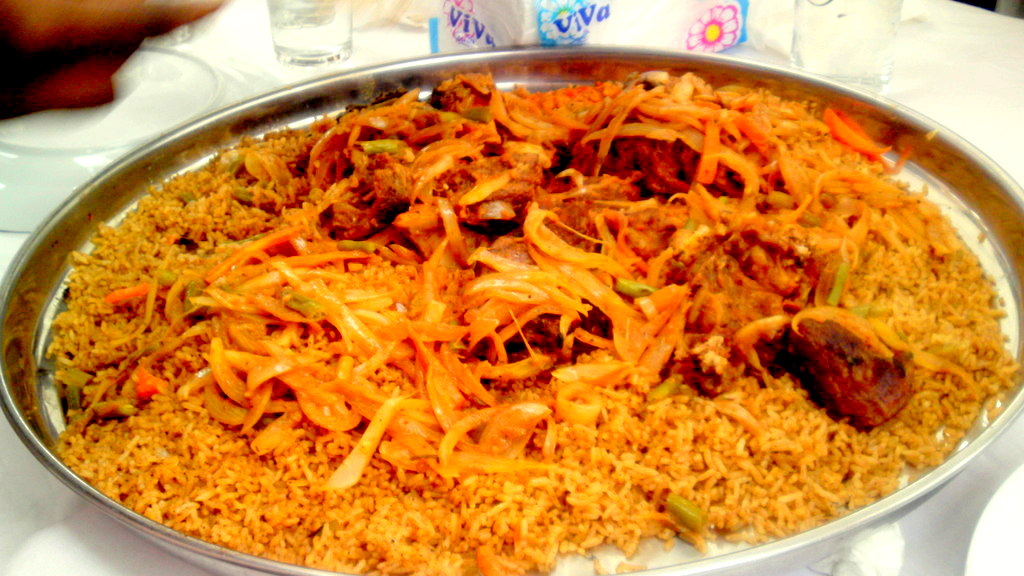 Riz grasMeat
🇧🇫 Burkina Faso and 4 moreWest African rice cooked with meat and vegetables, served hot
Main dish, Lunch, Dinner
Riz grasMeat
🇧🇫 Burkina Faso and 4 moreWest African rice cooked with meat and vegetables, served hot
Main dish, Lunch, Dinner