
Gravlax
Salmon cured with salt, sugar and dill, sliced thin and served with mustard-dill sauce
Gravlax is a Nordic dish of salmon cured with salt, sugar and dill, sometimes garnished with spruce. Traditionally served as an appetizer, it is sliced thin and often accompanied by a mustard and dill sauce, either on bread or with boiled potatoes. Gravlax is popular in Sweden, Norway, Finland and Iceland.
- Gravlax is salmon cured with salt, sugar and dill
- It is sliced thin and served with mustard-dill sauce
- The name means 'buried salmon' in old Nordic languages
- Originally, gravlax was lightly fermented by burying in sand
- Today, it is made by curing, not fermenting
What is Gravlax?
Gravlax is made from salmon that is cured, not cooked, using a mixture of salt, sugar and dill. Sometimes, fresh dill or spruce twigs are added for extra aroma. The fish is sliced very thin and served as an appetizer. It has a delicate, silky texture and a taste that balances saltiness, sweetness and the herbal notes of dill. Gravlax is usually paired with a tangy mustard-dill sauce and can be eaten on bread or with boiled potatoes.
Where does Gravlax come from?
Gravlax comes from the Nordic countries, with roots in medieval fishing communities. The name means 'buried salmon', referring to the old practice of burying salted fish in the sand above the high-tide line to ferment lightly. This technique was used as early as the 14th century. Today, fermentation is no longer part of the process; instead, the fish is 'buried' in a dry cure of salt, sugar and dill, which preserves and flavors it.
How is Gravlax made?
To make gravlax, fresh salmon is covered with a dry mixture of salt, sugar and plenty of dill. Sometimes white pepper or spruce twigs are added. The fish is then left to cure for twelve hours to a few days, during which moisture is drawn out and the flesh becomes firm and flavorful. Occasionally, the cured salmon may be cold-smoked, but this is not typical. The finished gravlax is sliced thin for serving.


How and when is Gravlax eaten?
Gravlax is most often served as a starter or light meal. It is sliced thin and arranged on bread or alongside boiled potatoes. A special mustard and dill sauce, known as hovmästarsås in Sweden and by other names in the Nordic region, is a classic accompaniment. Gravlax is enjoyed at lunch, dinner or as a snack, both on festive occasions and in everyday meals.
Kinds of Gravlax
While salmon is the standard fish for gravlax, the same curing method can be used for other fatty fish. In some cases, fresh spruce is used instead of dill for a different aroma. Occasionally, gravlax is cold-smoked after curing, but this is not the norm. The mustard-dill sauce served with gravlax is known by different names in each Nordic country.
What Gravlax means
Gravlax is a well-loved dish across Sweden, Norway, Finland and Iceland, often found at gatherings and on festive tables. Its preparation and serving are part of the region's culinary traditions. The dish reflects the Nordic way of preserving fish and making the most of local herbs like dill. Gravlax is also a symbol of Scandinavian hospitality and is frequently included in smorgasbords and holiday meals.
Questions people ask about Gravlax
What is gravlax made of?
Gravlax is made from salmon that is cured with salt, sugar and dill. Sometimes, white pepper or spruce twigs are added for extra flavor.
Where does gravlax come from?
Gravlax comes from the Nordic countries, especially Sweden, Norway, Finland and Iceland. Its name and method reflect old Scandinavian traditions.
How is gravlax served?
Gravlax is sliced thin and usually served as an appetizer with a mustard and dill sauce, either on bread or with boiled potatoes.
Is gravlax raw or cooked?
Gravlax is not cooked; it is cured using salt, sugar and dill, which preserves and flavors the fish without heat.
What does gravlax taste like?
Gravlax has a delicate, silky texture with a balance of salty, sweet and herbal flavors from the dill.
Good reading and sources
The facts on this page come from the Wikipedia article "Gravlax", written by its contributors and used under the CC BY-SA 4.0 licence, and from its Wikidata record (CC0). Thali rewrote the text in its own words, with AI assistance, and compares every page with the article to make sure no passage is copied. It may be reused under the same CC BY-SA 4.0 licence with a link back.
It may contain mistakes, and it is not dietary or allergy advice: recipes differ from cook to cook. If something is wrong, tell us. Last refreshed 2026-10-03.
More from Sweden
All the food of Sweden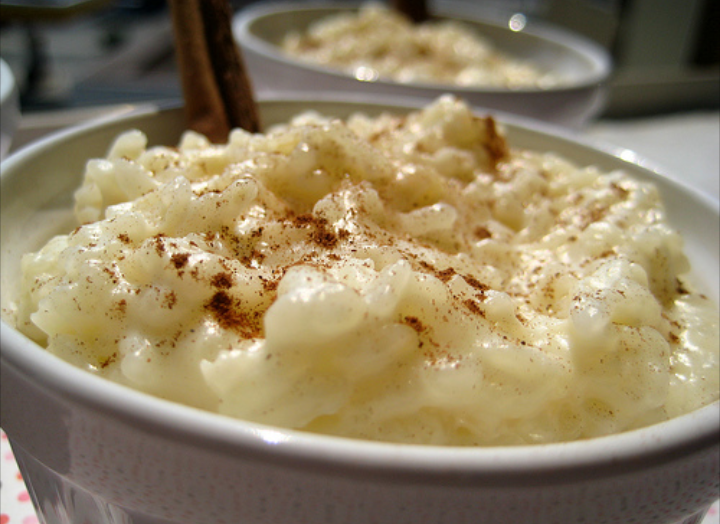 Rice pudding
🇮🇳 India and 4 moreSweetened rice cooked in milk, found in many forms worldwide
Sweet or dessert, Breakfast, Lunch
Rice pudding
🇮🇳 India and 4 moreSweetened rice cooked in milk, found in many forms worldwide
Sweet or dessert, Breakfast, Lunch
 Christmas hamMeat
🇸🇪 Sweden and 3 moreCured ham served at Christmas, with local glazes and traditions
Main dish, Dinner
Christmas hamMeat
🇸🇪 Sweden and 3 moreCured ham served at Christmas, with local glazes and traditions
Main dish, Dinner
 Smörgåsbord
🇸🇪 Sweden and 2 moreA Swedish buffet meal with a spread of cold and hot dishes
Main dish, Lunch, Dinner
Smörgåsbord
🇸🇪 Sweden and 2 moreA Swedish buffet meal with a spread of cold and hot dishes
Main dish, Lunch, Dinner
 MeatballMeat
🇮🇹 Italy and 5 moreGround meat shaped into balls and cooked by frying, baking, or braising in sauce
Main dish, Lunch, Dinner
MeatballMeat
🇮🇹 Italy and 5 moreGround meat shaped into balls and cooked by frying, baking, or braising in sauce
Main dish, Lunch, Dinner
Its cousins elsewhere
All main dishes Pelmeniпельмени
🇷🇺 RussiaRussian dumplings filled with seasoned meat and wrapped in thin dough
Dumpling, Lunch, Dinner
Pelmeniпельмени
🇷🇺 RussiaRussian dumplings filled with seasoned meat and wrapped in thin dough
Dumpling, Lunch, Dinner
 TocinoMeat
🇵🇭 Philippines and 5 moreCured or fried pork enjoyed in Spain, the Philippines, and the Caribbean
Main dish, Breakfast, Lunch
Zereshk poloMeatزرشکپلو
🇮🇷 Iran and 1 morePersian rice with tart barberries, often served with saffron chicken
Main dish, Lunch, Dinner
TocinoMeat
🇵🇭 Philippines and 5 moreCured or fried pork enjoyed in Spain, the Philippines, and the Caribbean
Main dish, Breakfast, Lunch
Zereshk poloMeatزرشکپلو
🇮🇷 Iran and 1 morePersian rice with tart barberries, often served with saffron chicken
Main dish, Lunch, Dinner
 Mu kropMeat
🇹🇭 Thailand and 4 moreThai-style fried pork belly with a crunchy golden skin
Main dish, Lunch, Dinner
Mu kropMeat
🇹🇭 Thailand and 4 moreThai-style fried pork belly with a crunchy golden skin
Main dish, Lunch, Dinner