
Pelmeni
In its own language: пельмени
Russian dumplings filled with seasoned meat and wrapped in thin dough
Pelmeni are Russian dumplings made by wrapping a thin, unleavened dough around a filling of raw minced meat, mushrooms, or a mix of both, seasoned with spices and onions. Originating in Siberia and the Urals, they are a staple of Russian cuisine and are eaten hot, often topped with sour cream, butter, or vinegar, especially at lunch or dinner.
- Pelmeni are a national dish of Russia.
- The name means 'ear bread' in Komi and Udmurt languages.
- Traditionally filled with raw minced meat and spices.
- Often served with sour cream, butter, or vinegar.
- Frozen pelmeni are a common convenience food in Russia.
What is Pelmeni?
Pelmeni are small dumplings from Russia, made by encasing a filling in a thin, unleavened dough. The dough is usually just flour and water, sometimes with eggs or sour cream added for texture. Inside, the filling is most often raw minced meat—pork, beef, lamb, or a mix—seasoned with salt, black pepper, onions, and sometimes garlic or herbs like dill. Mushroom fillings are also used. The dumplings are about two to three centimeters across, with a high ratio of filling to dough. Once boiled, they are served hot, often topped with butter, sour cream, vinegar, or fresh herbs.
Where does Pelmeni come from?
Pelmeni are widely seen as a Siberian gift to Russian cooking, with deep roots in the Komi and Udmurt regions. The name comes from the Komi and Udmurt words for 'ear bread,' a nod to their shape. Their history is debated: some believe they were inspired by Chinese dumplings brought through Siberia by the Mongols, while others argue they began in the Urals and spread east. Hunters valued pelmeni for their ability to be frozen outdoors and cooked quickly, making them ideal for long journeys in cold climates.
How is Pelmeni made?
To make pelmeni, a soft dough is rolled thin and cut into small rounds. The filling, usually a mixture of raw minced meat, onions, salt, and pepper, is placed in the center of each round. The dough is folded over and sealed, forming a small, plump dumpling. In Siberia, ice water is sometimes added to the filling to create a broth inside. The dumplings are boiled in salted water or broth until they float and are cooked through. They can also be fried after boiling for a crisp finish.


How and when is Pelmeni eaten?
Pelmeni are eaten hot, most often for lunch or dinner. They may be served plain, with melted butter, or topped with sour cream (smetana), vinegar, or fresh dill. In Siberia, vinegar and black pepper are common additions, while in the Russian Far East, soy sauce may be used. Sometimes, pelmeni are served in clear broth, though this is less traditional in Siberia. They are a common convenience food when bought frozen, but homemade versions are a point of pride and often made in large batches for family meals.
Kinds of Pelmeni
Regional recipes differ in the mix of meats and seasonings. In Udmurtia, a traditional filling combines beef, mutton, and pork. Some areas add mushrooms, cabbage, or horseradish to the filling. In Tatar cuisine, similar dumplings called pilmän are served in clear soup with herbs. Industrially made pelmeni are widely available frozen and are often larger, resembling tortellini. Some people fry boiled pelmeni for a crispy texture.
What Pelmeni means
Pelmeni are considered a national dish in Russia and hold a special place in the food traditions of Siberia, Komi, and Udmurtia. In Izhevsk, Udmurtia's capital, there is a monument to pelmeni, and the region hosts an annual festival called World Pelmen Day. For many, making pelmeni is a family activity, especially in winter, and the dish is associated with hospitality and comfort. Store-bought pelmeni are seen as a quick meal, especially among students and bachelors.
Questions people ask about Pelmeni
What are pelmeni made of?
Pelmeni are made from thin, unleavened dough filled with raw minced meat (such as pork, beef, or lamb), onions, salt, black pepper, and sometimes herbs or mushrooms.
Where do pelmeni come from?
Pelmeni originate from Russia, especially Siberia and the Ural regions, and have deep roots in Komi and Udmurt food traditions.
How are pelmeni usually served?
They are served hot, often topped with sour cream, butter, vinegar, or fresh herbs. In some regions, they may be served with broth or fried after boiling.
Are pelmeni always made with meat?
While meat is traditional, some versions use mushrooms or a mix of mushrooms and meat. The filling can vary by region.
What makes pelmeni different from other dumplings?
Pelmeni have a very thin dough and a high ratio of filling to dough. The filling is usually raw when wrapped, and they are never made with sweet fillings.
Good reading and sources
The facts on this page come from the Wikipedia article "Pelmeni", written by its contributors and used under the CC BY-SA 4.0 licence, and from its Wikidata record (CC0). Thali rewrote the text in its own words, with AI assistance, and compares every page with the article to make sure no passage is copied. It may be reused under the same CC BY-SA 4.0 licence with a link back.
It may contain mistakes, and it is not dietary or allergy advice: recipes differ from cook to cook. If something is wrong, tell us. Last refreshed 2026-10-03.
More from Russia
All the food of Russia Pancake
🇺🇸 United States and 5 moreFlat cakes made from batter, cooked on a griddle or pan and served sweet or savoury
Main dish, Breakfast, Snacks
Pancake
🇺🇸 United States and 5 moreFlat cakes made from batter, cooked on a griddle or pan and served sweet or savoury
Main dish, Breakfast, Snacks
 MeatballMeat
🇮🇹 Italy and 5 moreGround meat shaped into balls and cooked by frying, baking, or braising in sauce
Main dish, Lunch, Dinner
MeatballMeat
🇮🇹 Italy and 5 moreGround meat shaped into balls and cooked by frying, baking, or braising in sauce
Main dish, Lunch, Dinner
 Pâté
🇫🇷 France and 5 moreA smooth or coarse spread made from minced meat, liver, or vegetables
Sauce, pickle or ferment
Pâté
🇫🇷 France and 5 moreA smooth or coarse spread made from minced meat, liver, or vegetables
Sauce, pickle or ferment
 ShashlikMeatшашлык
🇷🇺 RussiaSkewered cubes of marinated meat grilled over open coals
Main dish, Dinner, Lunch
ShashlikMeatшашлык
🇷🇺 RussiaSkewered cubes of marinated meat grilled over open coals
Main dish, Dinner, Lunch
Its cousins elsewhere
All dumplings Dampfnudel
🇩🇪 Germany and 3 moreSoft yeast dumplings cooked in a covered pan until golden underneath
Dumpling, Lunch, Dinner
Dampfnudel
🇩🇪 Germany and 3 moreSoft yeast dumplings cooked in a covered pan until golden underneath
Dumpling, Lunch, Dinner
 SpätzleSpätzla
🇩🇪 Germany and 5 moreIrregular egg noodles from Swabia, served as a side or main dish
Main dish, Lunch, Dinner
SpätzleSpätzla
🇩🇪 Germany and 5 moreIrregular egg noodles from Swabia, served as a side or main dish
Main dish, Lunch, Dinner
 Uszka
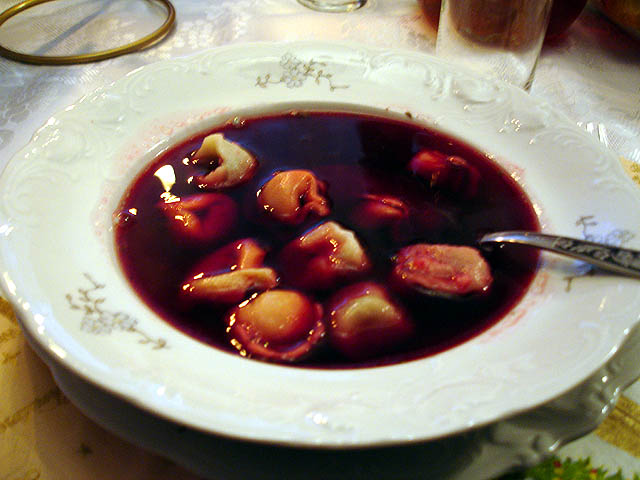
🇵🇱 Poland and 2 moreSmall twisted dumplings filled with mushrooms or meat, often served in borscht
Dumpling, Dinner
Uszka
🇵🇱 Poland and 2 moreSmall twisted dumplings filled with mushrooms or meat, often served in borscht
Dumpling, Dinner
 MaultaschenMeat
🇩🇪 GermanyStuffed pasta squares from Swabia with a savory meat and vegetable filling
Main dish, Lunch, Dinner
MaultaschenMeat
🇩🇪 GermanyStuffed pasta squares from Swabia with a savory meat and vegetable filling
Main dish, Lunch, Dinner