
Kedjenou
Spicy West African stew of chicken or guinea hen slow-cooked in a sealed pot
Kedjenou is a spicy stew from Côte d'Ivoire, made by slow-cooking chicken or guinea hen with vegetables in a sealed terra-cotta pot over fire or coals. The dish is known for its concentrated flavors and tender meat, and is often served with attiéké, a grated cassava side.
- Cooked in a sealed terra-cotta pot called a canari
- Made with chicken or guinea hen and vegetables
- Popular everyday dish in Côte d'Ivoire
- Sometimes cooked in banana leaves under coals
- Traditionally served with attiéké, a grated cassava side
What is Kedjenou?
Kedjenou is a stew from Côte d'Ivoire, made by cooking chicken or guinea hen with vegetables and spices. The meat and vegetables are sealed in a terra-cotta pot, called a canari, and cooked slowly over fire or coals. This method keeps the juices inside, making the meat tender and the flavors intense. Sometimes, the stew is made with other ingredients like okra or even escargot, and can be wrapped in banana leaves instead of using a pot. The result is a rich, spicy dish with deeply infused flavors.
Where does Kedjenou come from?
Kedjenou comes from Côte d'Ivoire in West Africa and is a staple of Ivorian cooking. The use of a sealed terra-cotta pot, or canari, is traditional and helps create the dish’s unique texture and taste. Over time, it has become a popular everyday meal across the country. While the exact origins are not detailed in the sources, its preparation methods and ingredients reflect local cooking traditions and available resources.
How is Kedjenou made?
To make Kedjenou, pieces of chicken or guinea hen are combined with vegetables and spices, then placed in a canari pot. The pot is sealed and set over fire or coals, allowing the ingredients to cook slowly in their own juices. Sometimes, little or no extra liquid is added, which helps concentrate the flavors. In some cases, the ingredients are wrapped in banana leaves and placed under hot coals instead of using a pot. The slow, sealed cooking ensures the meat stays moist and flavorful.


How and when is Kedjenou eaten?
Kedjenou is usually eaten for lunch or dinner as a main dish. In Côte d'Ivoire, it is traditionally served with attiéké, a side made from grated cassava. The stew is often shared among family or friends, with everyone enjoying the tender meat and rich sauce. The dish is part of everyday meals and is valued for its hearty, satisfying nature.
Kinds of Kedjenou
While chicken and guinea hen are the most common meats used, some versions of Kedjenou include other ingredients like okra or escargot. The cooking vessel can also vary: some cooks use banana leaves instead of a terra-cotta pot, wrapping and sealing the ingredients before placing them under hot coals. These variations reflect local tastes and available ingredients.
What Kedjenou means
Kedjenou holds a special place in Ivorian cuisine as a beloved home-cooked dish. Its preparation in a sealed pot or banana leaf is a distinctive technique in West African cooking. The dish is widely enjoyed across Côte d'Ivoire and is often associated with communal meals and gatherings. Serving it with attiéké is a common tradition.
Questions people ask about Kedjenou
What is Kedjenou made of?
Kedjenou is made with chicken or guinea hen and vegetables, cooked together with spices. The ingredients are sealed in a pot or banana leaf and slow-cooked to concentrate the flavors.
Where does Kedjenou come from?
Kedjenou comes from Côte d'Ivoire in West Africa. It is a traditional and popular dish in Ivorian cuisine.
How is Kedjenou cooked?
The dish is slow-cooked in a sealed terra-cotta pot called a canari, or sometimes in banana leaves under hot coals. This method keeps the juices in and makes the meat tender.
What is usually served with Kedjenou?
In Côte d'Ivoire, Kedjenou is traditionally served with attiéké, which is a side dish made from grated cassava.
Is Kedjenou spicy?
Yes, Kedjenou is known as a spicy stew, with the flavors and heat coming from the spices used in its preparation.
Good reading and sources
The facts on this page come from the Wikipedia article "Kedjenou", written by its contributors and used under the CC BY-SA 4.0 licence, and from its Wikidata record (CC0). Thali rewrote the text in its own words, with AI assistance, and compares every page with the article to make sure no passage is copied. It may be reused under the same CC BY-SA 4.0 licence with a link back.
It may contain mistakes, and it is not dietary or allergy advice: recipes differ from cook to cook. If something is wrong, tell us. Last refreshed 2026-10-03.
More from Ivory Coast
All the food of Ivory Coast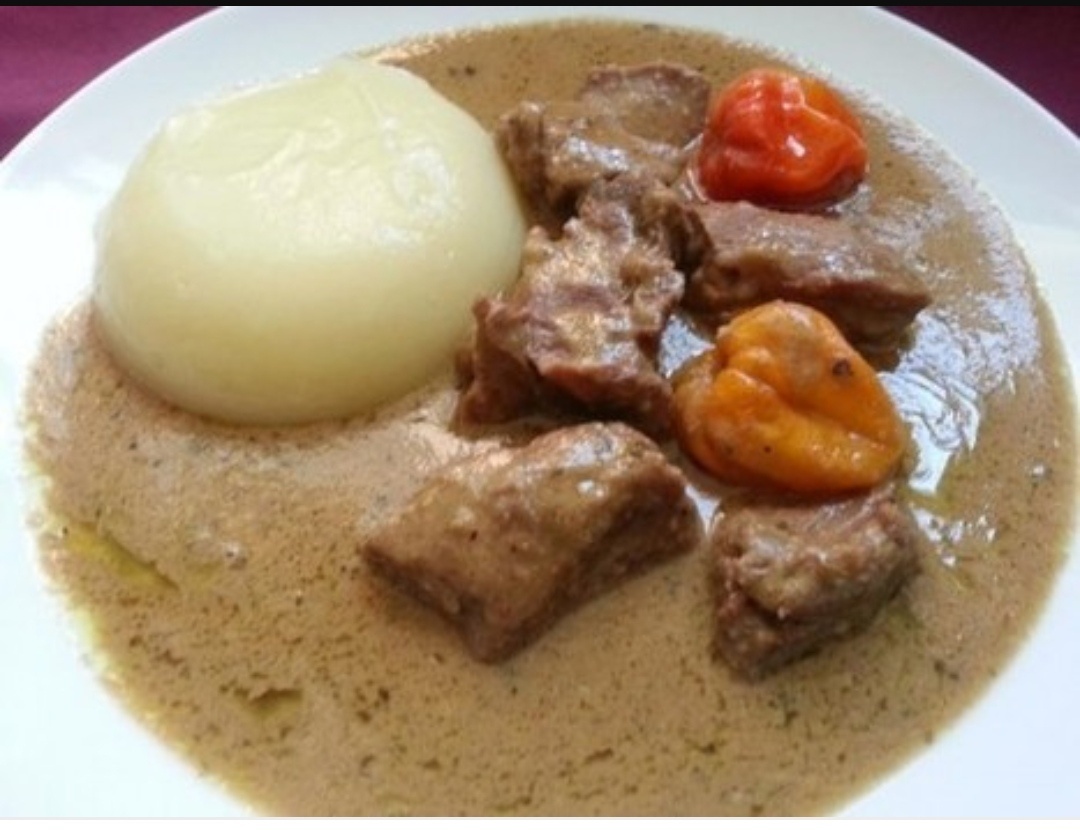 Peanut stew
🇸🇳 Senegal and 5 moreA rich West African stew of meat and vegetables in a spiced peanut sauce
Stew or curry, Lunch, Dinner
Peanut stew
🇸🇳 Senegal and 5 moreA rich West African stew of meat and vegetables in a spiced peanut sauce
Stew or curry, Lunch, Dinner
 Palm nut soup
🇳🇬 Nigeria and 4 moreA rich, red soup made from palm fruit, meat, fish and spices
Soup, Lunch, Dinner
Palm nut soup
🇳🇬 Nigeria and 4 moreA rich, red soup made from palm fruit, meat, fish and spices
Soup, Lunch, Dinner
 KenkeyVegan
🇬🇭 Ghana and 3 moreFermented maize dough dumpling, steamed and served with spicy sides
Main dish, Lunch, Dinner
KenkeyVegan
🇬🇭 Ghana and 3 moreFermented maize dough dumpling, steamed and served with spicy sides
Main dish, Lunch, Dinner
 Chocolate
🇨🇮 Ivory Coast and 5 moreA sweet or bitter food made from processed cocoa beans, enjoyed in many forms worldwide
Sweet or dessert, Snacks
Chocolate
🇨🇮 Ivory Coast and 5 moreA sweet or bitter food made from processed cocoa beans, enjoyed in many forms worldwide
Sweet or dessert, Snacks
Its cousins elsewhere
All stews and curries Adobo
🇵🇭 PhilippinesMeat, seafood, or vegetables simmered in vinegar, soy sauce, garlic and spices
Main dish, Lunch, Dinner
Adobo
🇵🇭 PhilippinesMeat, seafood, or vegetables simmered in vinegar, soy sauce, garlic and spices
Main dish, Lunch, Dinner
 Chankonabeちゃんこ鍋
🇯🇵 JapanJapanese one-pot stew packed with protein, favored by sumo wrestlers
Stew or curry, Lunch, Dinner
Chankonabeちゃんこ鍋
🇯🇵 JapanJapanese one-pot stew packed with protein, favored by sumo wrestlers
Stew or curry, Lunch, Dinner
 Oil DownMeat
🇬🇩 Grenada and 3 moreGrenada’s national stew of breadfruit, salted meat, and coconut milk
Stew or curry, Lunch, Dinner
Oil DownMeat
🇬🇩 Grenada and 3 moreGrenada’s national stew of breadfruit, salted meat, and coconut milk
Stew or curry, Lunch, Dinner
 Oxtail stewMeat
🇮🇹 Italy and 4 moreStew made with oxtail, found in many world cuisines
Stew or curry, Lunch, Dinner
Oxtail stewMeat
🇮🇹 Italy and 4 moreStew made with oxtail, found in many world cuisines
Stew or curry, Lunch, Dinner