
Kenkey
Fermented maize dough dumpling, steamed and served with spicy sides
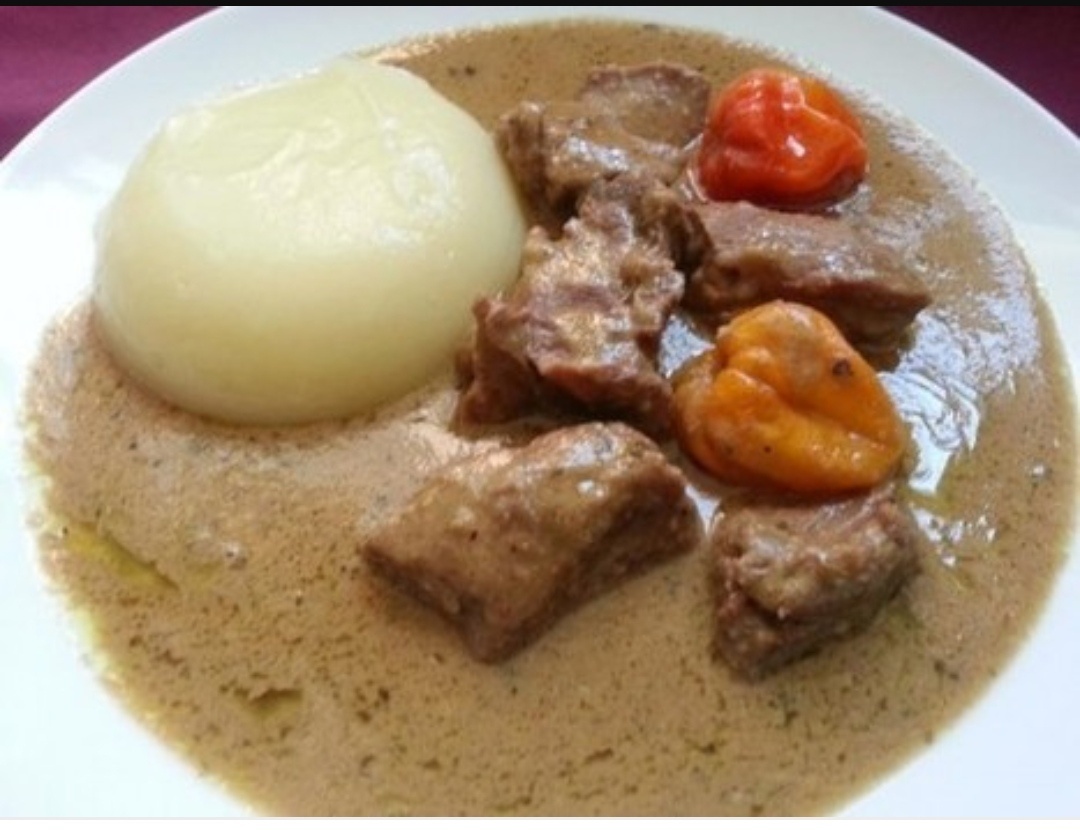
Kenkey is a staple food from Ghana and Côte d'Ivoire, made by fermenting maize dough, shaping it, and steaming it in leaves. It is usually eaten with pepper sauce, fried fish, soup, or stew, and is common in daily meals. The dish is especially associated with the Ga and Fante communities.
- Kenkey is made by fermenting maize dough for up to a week
- It is steamed in banana leaves or corn husks
- Commonly served with spicy pepper sauce and fried fish
- Ga and Fante kenkey are the main types in Ghana
- Similar dishes exist in the Caribbean, like ducana and paime
What is Kenkey?
Kenkey is a dense, sour dumpling made by fermenting ground maize (corn) and then steaming it. The dough is wrapped in banana leaves, corn husks, or sometimes foil before cooking, giving it a distinct shape and aroma. Its flavor is tangy from fermentation, and the texture is firm and slightly sticky. Kenkey is often served with spicy pepper sauce, fried fish, or a rich soup or stew, making it a filling meal. It is a staple for many in Ghana and neighboring regions.
Where does Kenkey come from?
Kenkey comes from the Ga and Fante peoples of Ghana, and is also found in Côte d'Ivoire, Togo, and Benin. The dish likely developed as a way to preserve and enjoy maize, which is a key crop in West Africa. Fermenting the dough gives kenkey its signature sour taste and helps it keep longer. Over time, different communities have created their own versions, with Ga kenkey being especially widespread in Ghana.
How is Kenkey made?
To make kenkey, maize grains are soaked in water for several days, then ground and kneaded into a dough. This dough is left to ferment in a warm place for four days to a week. After fermentation, part of the dough is cooked, then mixed back with the uncooked portion. The mixture is shaped, wrapped in leaves or husks, and steamed until done. This process gives kenkey its sour flavor and firm texture.


How and when is Kenkey eaten?
Kenkey is usually eaten hot at lunch or dinner. It is commonly paired with spicy ground pepper sauce and fried fish, but can also be served with soups or stews. The dish is eaten by tearing off pieces with the fingers and dipping them into the sauce or soup. In some places, kenkey is mixed with water, sugar, powdered milk, and ice to make a cold dish called ice kenkey.
Kinds of Kenkey
There are several types of kenkey, with Ga and Fante kenkey being the most well-known in Ghana. Ga kenkey is more widely available. In the Caribbean, similar foods influenced by kenkey include ducana, duckunoo, and paime, which often use cornmeal, coconut, and sweet potato, and are steamed in leaves. These versions are sometimes sweet and are linked to festive occasions.
What Kenkey means
Kenkey is a daily food for many in Ghana and is closely tied to the identity of the Ga and Fante peoples. It is a symbol of home cooking and is often found at markets and roadside stalls. In the Caribbean, related dishes are part of Christmas celebrations and reflect the blending of African and local traditions.
Questions people ask about Kenkey
What is kenkey made from?
Kenkey is made from maize (corn) that is soaked, ground, fermented, and then steamed. Water and salt are also used in the process.
Where does kenkey come from?
Kenkey originates from Ghana, especially among the Ga and Fante peoples, and is also found in Côte d'Ivoire, Togo, and Benin.
How is kenkey traditionally served?
It is usually served hot with ground pepper sauce, fried fish, or sometimes with soup or stew. People eat it by breaking off pieces and dipping them in the sauce.
What does kenkey taste like?
Kenkey has a sour, tangy flavor from fermentation and a firm, slightly sticky texture. The taste pairs well with spicy and savory sides.
Are there different types of kenkey?
Yes, Ga and Fante kenkey are the main kinds in Ghana. There are also related dishes in the Caribbean, such as ducana and paime, which use similar methods but may include sweet ingredients.
Good reading and sources
The facts on this page come from the Wikipedia article "Kenkey", written by its contributors and used under the CC BY-SA 4.0 licence, and from its Wikidata record (CC0). Thali rewrote the text in its own words, with AI assistance, and compares every page with the article to make sure no passage is copied. It may be reused under the same CC BY-SA 4.0 licence with a link back.
It may contain mistakes, and it is not dietary or allergy advice: recipes differ from cook to cook. If something is wrong, tell us. Last refreshed 2026-10-03.
More from Ghana
All the food of Ghana Kpekpele
🇬🇭 GhanaSteamed and fermented cornmeal eaten with palm nut soup and smoked fish
Main dish
Kpekpele
🇬🇭 GhanaSteamed and fermented cornmeal eaten with palm nut soup and smoked fish
Main dish
 Peanut stew
🇸🇳 Senegal and 5 moreA rich West African stew of meat and vegetables in a spiced peanut sauce
Stew or curry, Lunch, Dinner
Peanut stew
🇸🇳 Senegal and 5 moreA rich West African stew of meat and vegetables in a spiced peanut sauce
Stew or curry, Lunch, Dinner
 FufuVegan
🇬🇭 Ghana and 4 moreA soft, starchy dough made by pounding cassava, plantain or cocoyam, eaten with soups
Main dish, Lunch, Dinner
Jollof rice
🇸🇳 Senegal and 5 moreWest African rice simmered in tomato, chili and spices, often served with meat or fish
Main dish, Lunch, Dinner
FufuVegan
🇬🇭 Ghana and 4 moreA soft, starchy dough made by pounding cassava, plantain or cocoyam, eaten with soups
Main dish, Lunch, Dinner
Jollof rice
🇸🇳 Senegal and 5 moreWest African rice simmered in tomato, chili and spices, often served with meat or fish
Main dish, Lunch, Dinner
Its cousins elsewhere
All main dishes ChapatiVeganचपाती
🇮🇳 India and 4 moreUnleavened flatbread cooked on a griddle and served hot with meals
Bread, Breakfast, Lunch
ChapatiVeganचपाती
🇮🇳 India and 4 moreUnleavened flatbread cooked on a griddle and served hot with meals
Bread, Breakfast, Lunch
 Pelmeniпельмени
🇷🇺 RussiaRussian dumplings filled with seasoned meat and wrapped in thin dough
Dumpling, Lunch, Dinner
Pelmeniпельмени
🇷🇺 RussiaRussian dumplings filled with seasoned meat and wrapped in thin dough
Dumpling, Lunch, Dinner
 TocinoMeat
🇵🇭 Philippines and 5 moreCured or fried pork enjoyed in Spain, the Philippines, and the Caribbean
Main dish, Breakfast, Lunch
TocinoMeat
🇵🇭 Philippines and 5 moreCured or fried pork enjoyed in Spain, the Philippines, and the Caribbean
Main dish, Breakfast, Lunch
 Udonうどん / 饂飩
🇯🇵 Japan and 4 moreThick wheat noodles served hot or cold in Japanese cooking
Noodle or pasta dish, Lunch, Dinner
Udonうどん / 饂飩
🇯🇵 Japan and 4 moreThick wheat noodles served hot or cold in Japanese cooking
Noodle or pasta dish, Lunch, Dinner